Xin Zhongshi 2026: The Ultimate New Chinese Style Wardrobe
The Evolution of Xin Zhongshi: From Heritage to 2026 High Fashion
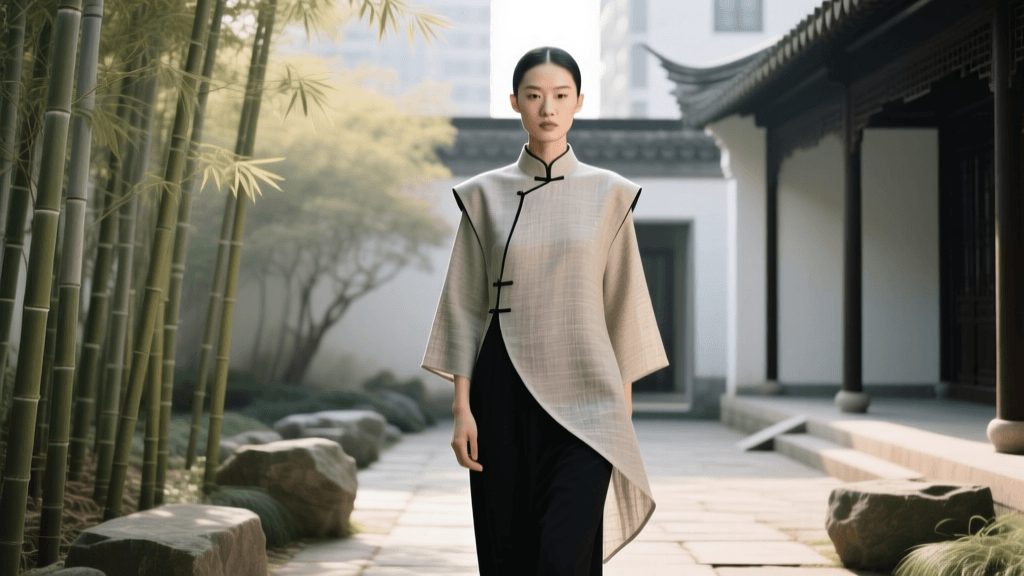
The term Xin Zhongshi (新中式), translating directly to 'New Chinese Style,' has completely transcended its origins as a niche aesthetic to become a dominant force in global fashion by 2026. Unlike the strict historical accuracy demanded by the Hanfu revival movement of the previous decade, Xin Zhongshi is fundamentally about translation and adaptation. It extracts the philosophical and visual essence of traditional Chinese garments—such as the structural geometry of the Tang suit, the elegant drape of the Song dynasty slip dress, and the intricate knotwork of Qing dynasty closures—and recontextualizes them for the modern, dynamic lifestyle of the 2026 urbanite.
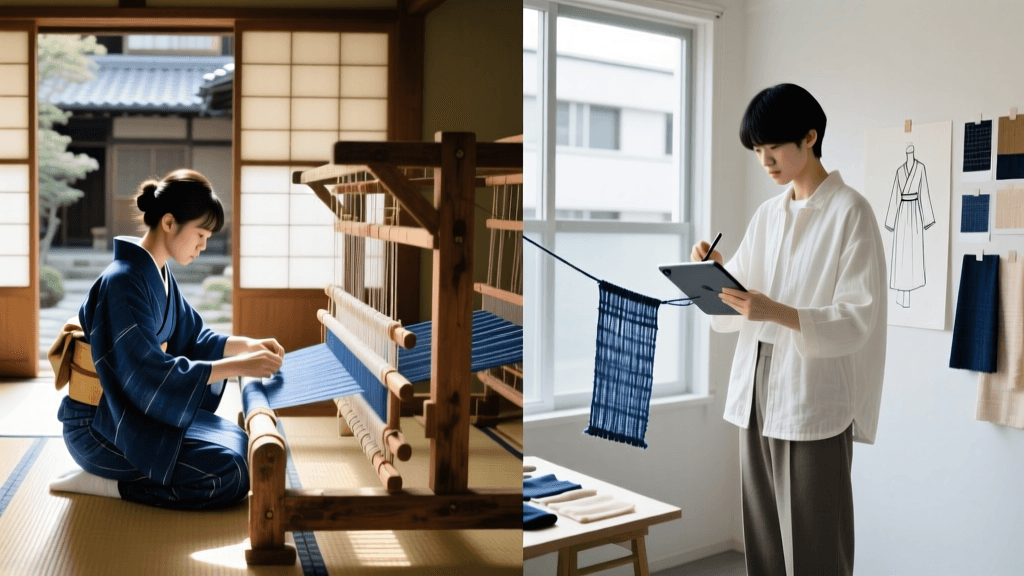
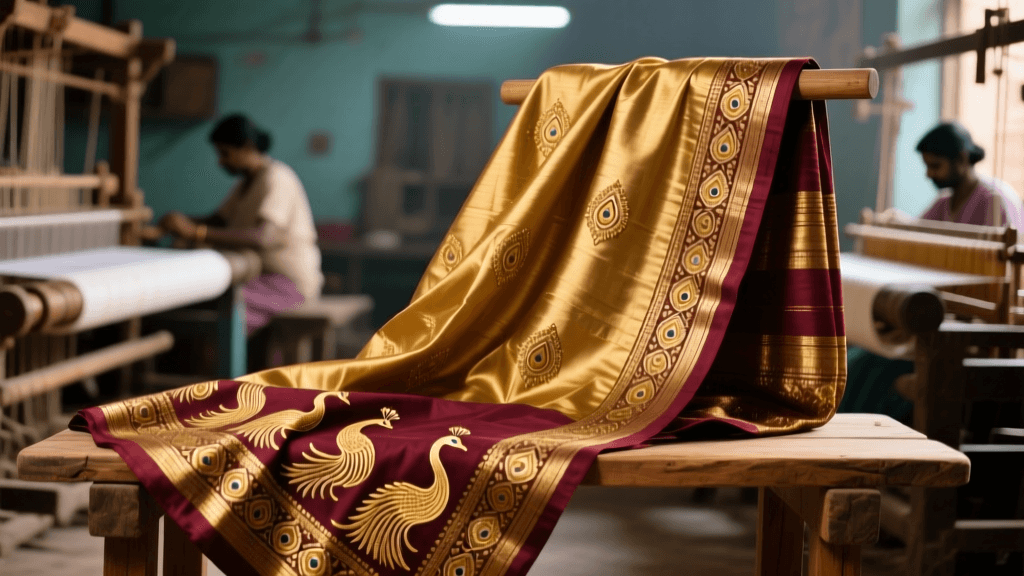
In 2026, the movement is defined by a commitment to sustainable luxury and textile innovation. Designers are no longer merely slapping a Mandarin collar onto a standard western blouse. Instead, they are employing advanced 3D-weaving techniques to recreate ancient brocades using recycled fibers, and utilizing AI-assisted pattern drafting to ensure that traditional flat-cutting methods (which minimize fabric waste) fit modern, diverse body types flawlessly. As documented by the Metropolitan Museum of Art, the mastery of Chinese silk weaving and garment construction has always been a dialogue between profound historical continuity and relentless technical innovation. Today's Xin Zhongshi is the latest, most vibrant chapter in that millennia-old dialogue.
Core Design Elements Defining the 2026 Aesthetic
1. The Deconstructed Mandarin Collar (Liling)
The traditional Mandarin collar, historically stiff and restrictive, has been radically reimagined for 2026. Contemporary iterations feature a softened, unlined structure that sits gently against the clavicle. The standard height for everyday Xin Zhongshi tops in 2026 is precisely 2.5 to 3 centimeters—high enough to evoke the regal silhouette of the Qing dynasty, but low enough to prevent chafing during a long commute. Many designers are now incorporating hidden magnetic closures beneath the collar to maintain a seamless, uninterrupted visual line.
2. Modernized Pankou (Frog Closures)
Pankou, the hand-knotted fabric buttons native to Chinese tailoring, remain the undisputed hallmark of Xin Zhongshi. However, the 2026 landscape introduces bio-resin and recycled brass cores wrapped in silk, providing structural integrity that prevents the knots from stretching out over time. Avant-garde labels are also experimenting with oversized, asymmetrical Pankou placements, using a single, dramatic knot at the shoulder or waist as the primary focal point of an otherwise minimalist garment.
3. The Flat-Cutting Philosophy
Western tailoring relies on darts and seams to mold fabric to the body's curves. Traditional Chinese tailoring utilizes flat-cutting (平面裁剪), treating the fabric as a continuous, unbroken canvas that drapes naturally. In 2026, this zero-waste philosophy aligns perfectly with global sustainability mandates. Modern Xin Zhongshi garments use strategic pleating and gussets to provide mobility while honoring the continuous grain of the heritage textiles.
Building Your 2026 Xin Zhongshi Capsule Wardrobe
Transitioning into the New Chinese Style does not require a complete wardrobe overhaul. By investing in four foundational pieces, you can seamlessly integrate Xin Zhongshi into your daily rotation.
Piece 1: The Xiangyunsha Oversized Shirt-Jacket
Xiangyunsha, or Gambiered Canton Gauze, is the crown jewel of the Xin Zhongshi wardrobe. Dyed with the tannin-rich juice of the Dioscorea cirrhosa yam and sealed with iron-rich river mud, this silk develops a distinctive, paper-like rustle and a deep, earthy patina. For 2026, opt for an oversized, drop-shoulder shirt-jacket in a charcoal or deep umber Xiangyunsha. Wear it unbuttoned over a simple white organic cotton turtleneck and tailored wide-leg trousers. The jacket should feature a soft, unlined Mandarin collar and hidden side-seam pockets.
Piece 2: The Modernized Song Brocade Midi Skirt
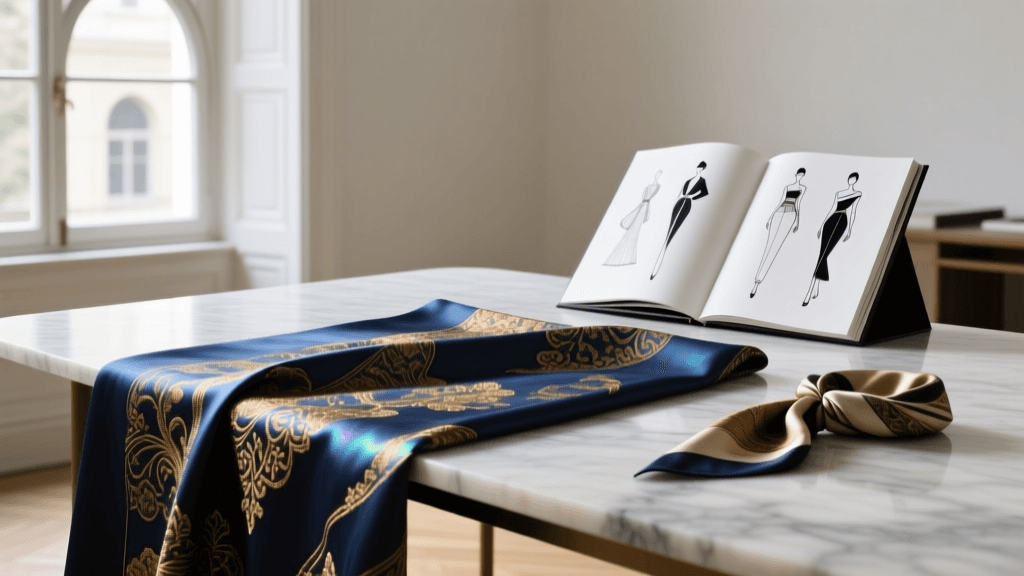
Song Brocade (Songjin) is renowned for its understated, matte finish and intricate geometric patterns. Historically reserved for mounting scroll paintings and elite garments, 2026 textile mills have blended Song Brocade patterns into heavy-weight crepe de chine for better drape and easier maintenance. Look for an A-line midi skirt with a high, elasticized back waist and a flat front panel featuring a subtle, tonal damask weave. Pair it with a sleek, fitted knit top to balance the volume.
Piece 3: The Minimalist Qipao Top
The Qipao (Cheongsam) is often viewed as a formal, full-length dress, but the Xin Zhongshi movement has liberated its upper half. The 2026 Qipao top is a cropped, sleeveless or cap-sleeve blouse featuring the iconic curved front placket (Dajin) and a single, statement Pankou closure at the neck. Choose a heavyweight matte silk in a solid, muted tone like celadon or slate. This piece layers beautifully under structured western blazers, creating a striking cross-cultural silhouette.
Piece 4: The Tang-Inspired Knit Cardigan
Merging the cozy utility of western knitwear with the wrap-style closures of the Tang dynasty jacket, the Xin Zhongshi knit cardigan is a staple for transitional weather. Look for merino wool or cashmere blends that utilize a wrap-front design secured by fabric ties or carved jade-buttons. The drop-shoulder seam and wide, bell-shaped sleeves echo the flowing robes of ancient scholars while providing supreme modern comfort.
Heritage Fabrics: A 2026 Comparison Guide
Understanding the textiles is crucial to mastering Xin Zhongshi. The intricate mud-dyeing and weaving techniques of China are so vital to cultural identity that sericulture and silk craftsmanship were officially inscribed on the UNESCO Representative List of the Intangible Cultural Heritage of Humanity. Below is a breakdown of the primary fabrics driving the 2026 market.
| Fabric Type | Traditional Origin | 2026 Modern Application | Drape & Weight | Care Requirements | Approx. 2026 Cost |
|---|---|---|---|---|---|
| Xiangyunsha | Guangdong Province | Outerwear, wide-leg trousers, statement jackets | Crisp, paper-like, medium-heavy | Spot clean only, avoid alkaline detergents, store in breathable cotton | $120 - $250 / yard |
| Song Brocade | Suzhou, Jiangsu | Midi skirts, structured blazers, evening clutches | Structured, matte, medium weight | Dry clean recommended, low iron with press cloth | $80 - $150 / yard |
| Heavyweight Crepe Silk | Hangzhou, Zhejiang | Draped Qipao tops, fluid dresses, scarves | Fluid, elegant, medium weight | Hand wash in cold water with silk-specific pH-neutral soap | $40 - $70 / yard |
| Bamboo-Silk Blend | Modern Innovation | Everyday base layers, summer knitwear, linings | Soft, breathable, lightweight | Machine wash cold on delicate cycle, lay flat to dry | $25 - $45 / yard |
Styling Xin Zhongshi for Global Urban Environments
One of the greatest triumphs of the Xin Zhongshi movement in 2026 is its borderless adaptability. Whether you are navigating the financial districts of New York, the creative hubs of London, or the historic streets of Kyoto, the key to styling these garments is contrast.
'The elegance of Xin Zhongshi lies not in wearing a costume, but in creating a dialogue between the ancient and the immediate. A 19th-century frog button means something entirely new when fastening a jacket worn over vintage denim.' — Global Textile Review, Spring 2026 Issue
The Rule of One: To avoid looking as though you are wearing a theatrical costume, limit your outfit to one or two distinct Xin Zhongshi elements. If you are wearing a heavily embroidered Song Brocade jacket, pair it with stark, minimalist, contemporary pieces like raw-hem denim or sleek leather trousers. Conversely, if you are wearing a simple silk Qipao top, you can introduce a second element, such as jade-accented footwear or a Pankou-detail belt.
Footwear Pairings: In 2026, the trend of pairing traditional garments with chunky, utilitarian footwear continues to dominate. A delicate Xiangyunsha midi dress grounded by a pair of thick-soled leather Chelsea boots or architectural loafers creates a compelling tension between fragility and resilience. Avoid traditional embroidered cloth shoes for everyday urban wear, as they lack the arch support and weather resistance required for modern city living.
Care, Storage, and Maintenance
Heritage fabrics demand respect and specific environmental conditions to maintain their structural integrity and color vibrancy over decades.
- Climate Control: Xiangyunsha and Song Brocade are highly sensitive to extreme humidity. Store your garments in a climate-controlled closet, ideally maintaining a relative humidity of 45% to 55%. Excessive moisture will cause the natural dyes in Xiangyunsha to bleed and the silk fibers to mildew.
- The Folding vs. Hanging Debate: While western suits must be hung, traditional flat-cut Xin Zhongshi garments are often best stored folded. Hanging heavy silk brocades on standard hangers can cause the shoulder seams to warp and stretch over time. Use acid-free tissue paper to stuff the sleeves and bodice when folding, and store them in unbleached cotton garment bags.
- Odor Removal: Never spray perfume or commercial fabric fresheners directly onto heritage silks; the alcohol and synthetic oils will permanently stain the fibers. Instead, hang the garment in a well-ventilated room with a natural sandalwood or camphor block nearby to gently absorb odors and deter pests.
Conclusion
The Xin Zhongshi movement of 2026 represents a maturation of cultural fashion. It is no longer about simply looking backward with nostalgia; it is about taking the profound wisdom of Asian textile traditions—the zero-waste cutting methods, the natural dyeing processes, the philosophical approach to drape—and weaponizing them for a sustainable, forward-looking future. By thoughtfully curating a capsule wardrobe rooted in these principles, you are not just adopting a style; you are participating in the living, breathing evolution of Asian sartorial heritage.