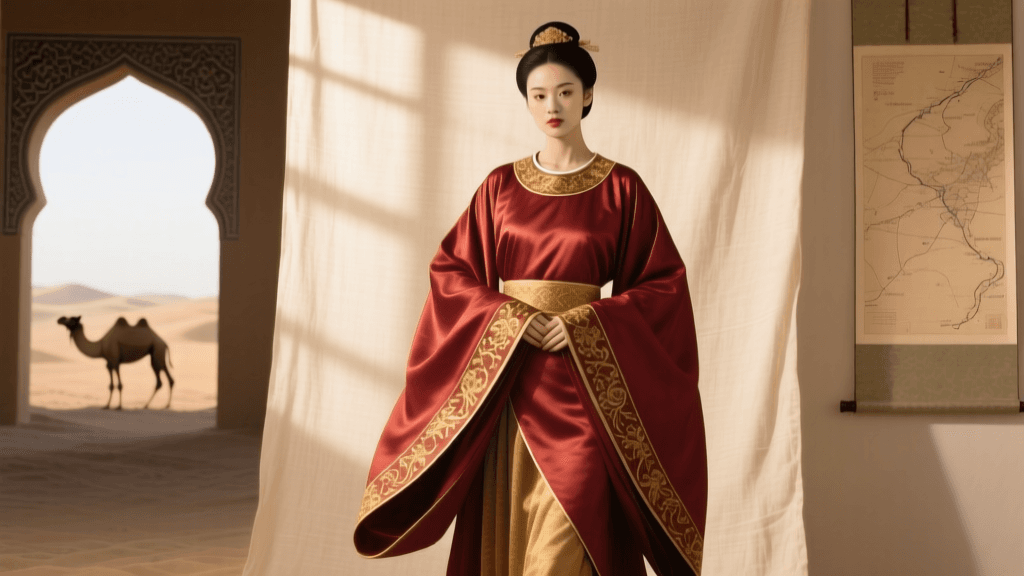
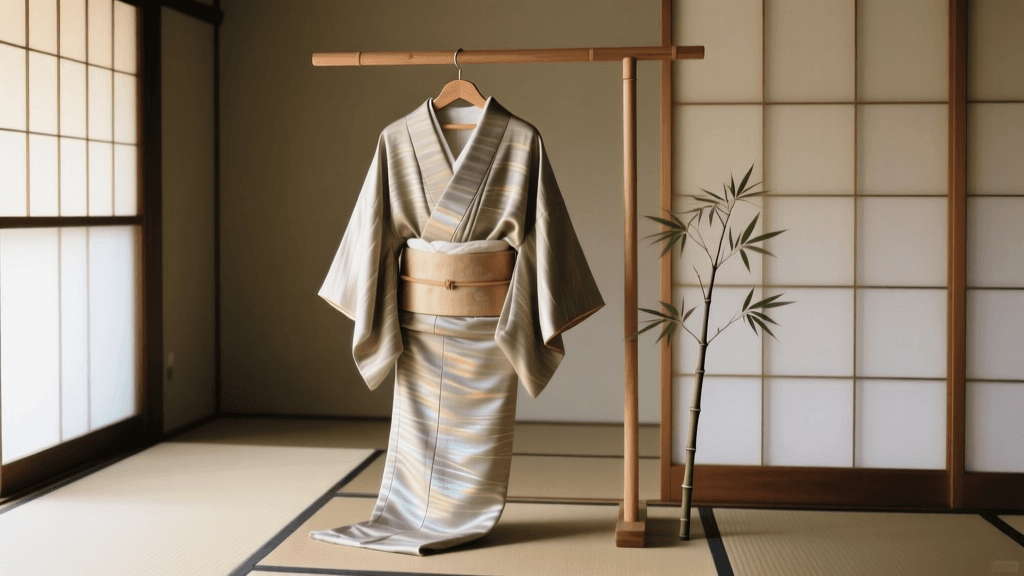
Top Chinese Fashion Blogs Documenting Hanfu & Miao Textiles 2026
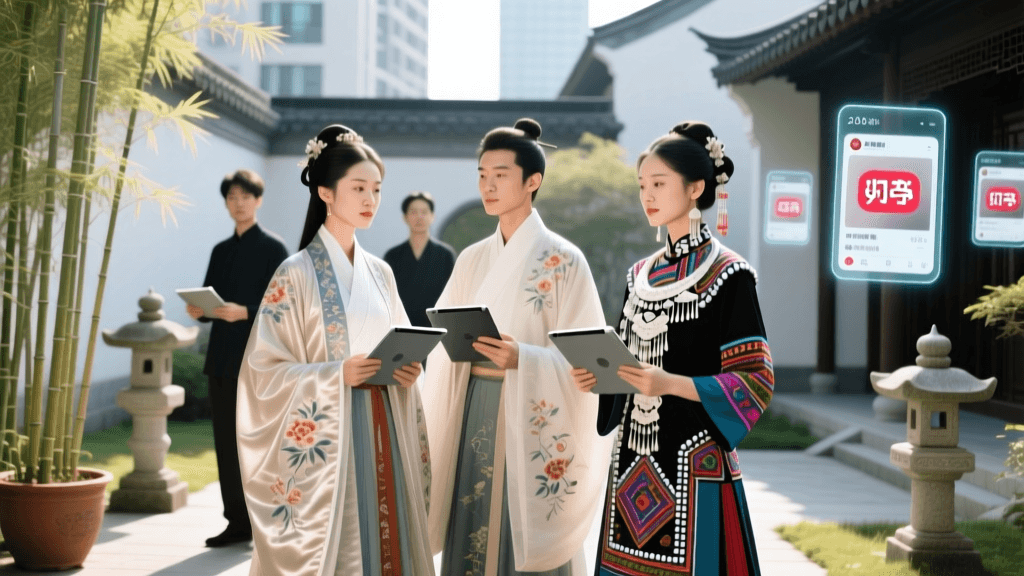
The Rise of Heritage Micro-Journalism in Chinese Fashion
The landscape of Asian fashion journalism has undergone a seismic shift. In 2026, the most influential voices in Chinese fashion are not sitting in the front rows of Shanghai Fashion Week; they are wading through the indigo vats of Guizhou and the mud-dyeing pits of Guangdong. This new era of 'heritage micro-journalism' blends rigorous historical research with high-quality digital storytelling, focusing heavily on traditional garments like Hanfu and the intricate textile techniques of China's ethnic minorities.
According to historical archives detailed by the Metropolitan Museum of Art's Chinese Textiles collection, China's silk weaving and dyeing traditions date back millennia. However, it is the modern digital creator who is currently rescuing these Intangible Cultural Heritage techniques from obscurity. Today, platforms like Xiaohongshu (Little Red Book) and Bilibili have replaced glossy magazines as the premier destinations for deep-dive fashion journalism.
Platform Ecosystems: Where Traditional Fashion Thrives in 2026
For aspiring fashion journalists and content creators, understanding the distinct algorithms and audience expectations of China's top social platforms is critical. The 2026 algorithm updates heavily favor 'slow fashion' content that emphasizes supply chain transparency and artisan interviews.
| Platform | Best Content Format | Audience Demographic (2026) | Journalism Angle |
|---|---|---|---|
| Xiaohongshu (RED) | Visual essays, outfit grids, artisan spotlights | Gen Z & Millennials, high purchasing power | Styling, textile authentication, buying guides |
| Bilibili | Long-form documentary vlogs, loom tutorials | Students, history enthusiasts, DIY crafters | Historical deep-dives, weaving techniques |
| WeChat Official | Long-form editorial articles, academic citations | Industry professionals, older demographics | Market analysis, museum exhibition reviews |
| Douyin | Short-form cinematic transitions, dyeing reveals | Mass market, broad age range | Visual spectacle, behind-the-scenes craftsmanship |
Case Studies: Documenting Xiangyunsha and Miao Embroidery
The hallmark of top-tier Chinese fashion blogs in 2026 is their commitment to field research. Creators are no longer just reviewing finished garments; they are documenting the creation process from raw material to final stitch.
The Xiangyunsha (Gambiered Canton Gauze) Revival
Xiangyunsha is a luxurious silk fabric dyed with the juice of the Dioscorea cirrhosa tuber and coated with iron-rich mud from the Pearl River Delta. In 2026, authentic Xiangyunsha commands prices between 3,000 and 8,000 RMB per meter, depending on the master dyer. Top Xiaohongshu creators are now acting as investigative journalists, exposing counterfeit synthetic blends and guiding consumers on how to identify the distinctive 'crackle' sound and iridescent sheen of genuine mud-dyed silk. By visiting the open-air drying fields in Shunde, these bloggers provide unparalleled visual proof of the grueling 30-step dyeing process.
Miao Silver-Thread Embroidery
In the mountainous regions of Guizhou, Miao embroidery is renowned for its complex motifs and the integration of spun silver threads. Fashion journalists on Bilibili are producing 40-minute mini-documentaries that follow the lives of rural embroiderers. These creators highlight the economic impact of the 'Hanfu and Heritage' movement, showing how urban demand is providing sustainable incomes for rural women's cooperatives. As noted in recent lifestyle and fashion coverage by the South China Morning Post, the fusion of traditional ethnic textiles with modern silhouettes is a defining trend of the mid-2020s.
'True fashion journalism in 2026 isn't about telling people what to buy; it's about translating the language of the loom for a digital generation. We are archivists with ring lights.' — Anonymous Xiaohongshu Heritage Creator
The 2026 Field Journalism Gear Guide for Textile Bloggers
Capturing the microscopic details of a Song Dynasty-style Mamianqun (horse-face skirt) weave or the reflective quality of Miao silver threads requires specialized gear. Here is the standard kit for top Chinese traditional fashion creators this year:
- Camera Body: Sony A7CR or Fujifilm X-T5. The 61MP resolution of the Sony is preferred for capturing the exact thread count of complex brocades.
- Macro Lens: 90mm f/2.8 Macro. Essential for shooting the 'knotting' techniques in traditional Chinese knot buttons (pankou).
- Lighting: Circular polarizing filters (CPL) are mandatory. Silk and Xiangyunsha are highly reflective; a CPL cuts the glare and reveals the true depth of the natural dyes.
- Audio: DJI Mic 3 wireless lavaliers. Crucial for recording the ambient sounds of wooden looms and conducting clear interviews with elderly artisans in noisy, open-air workshops.
- AI Translation Tools: Real-time dialect translation apps are heavily used in 2026 to bridge the gap between urban Mandarin-speaking journalists and rural artisans speaking regional dialects like Cantonese or Hmong.
5 Steps to Launch Your Own Asian Traditions Fashion Blog
If you are inspired to enter the niche of traditional Asian garment journalism, the barrier to entry is lower than ever, but the demand for accuracy is higher. Follow this actionable roadmap to build your platform in 2026:
1. Niche Down to a Specific Dynasty or Technique
The term 'Hanfu' is too broad for a new blog. Instead, focus your journalism on a specific niche. Examples include 'Song Dynasty Minimalist Aesthetics,' 'Tang Dynasty Silk Road Textile Trade,' or 'Natural Indigo Dyeing in Yunnan.' Specialization builds immediate authority.
2. Master the Terminology
Your audience will expect academic-level accuracy. Learn the precise Mandarin terminology for garment structures. For instance, know the difference between jiaoling youren (cross-collar, closing to the right) and round-collar robes. Misidentifying a garment's dynasty or structure will immediately damage your credibility in the highly educated Hanfu community.
3. Build Relationships with Intangible Heritage Inheritors
The best scoops come from the source. Reach out to provincial-level Intangible Cultural Heritage inheritors. Offer to document their work for free in exchange for exclusive access to their workshops. This provides you with unique, long-form content that fast-fashion bloggers cannot replicate.
4. Create 'Transparency Reports'
In 2026, consumers are hyper-aware of greenwashing and cultural appropriation. Start a series of 'Transparency Reports' where you break down the exact cost of materials, labor hours, and fair-trade wages involved in creating a single high-end traditional garment. This data-driven approach resonates deeply with ethical fashion consumers.
5. Leverage Cross-Platform Syndication
Do not limit yourself to one platform. Shoot a 30-minute documentary for Bilibili, cut it into 60-second aesthetic reels for Douyin, extract high-res macro photography for Xiaohongshu, and write a 3,000-word historical essay for your WeChat Official Account or personal Substack.
Conclusion
Chinese fashion journalism has evolved into a vital mechanism for cultural preservation. By combining the aesthetic sensibilities of high fashion with the rigor of anthropological field research, today's content creators are ensuring that the mastery of Asian textile traditions is not lost to time. Whether you are a reader looking to invest in authentic heritage garments or an aspiring writer ready to document the loom, 2026 offers unprecedented opportunities to engage with the rich tapestry of Asian traditions.