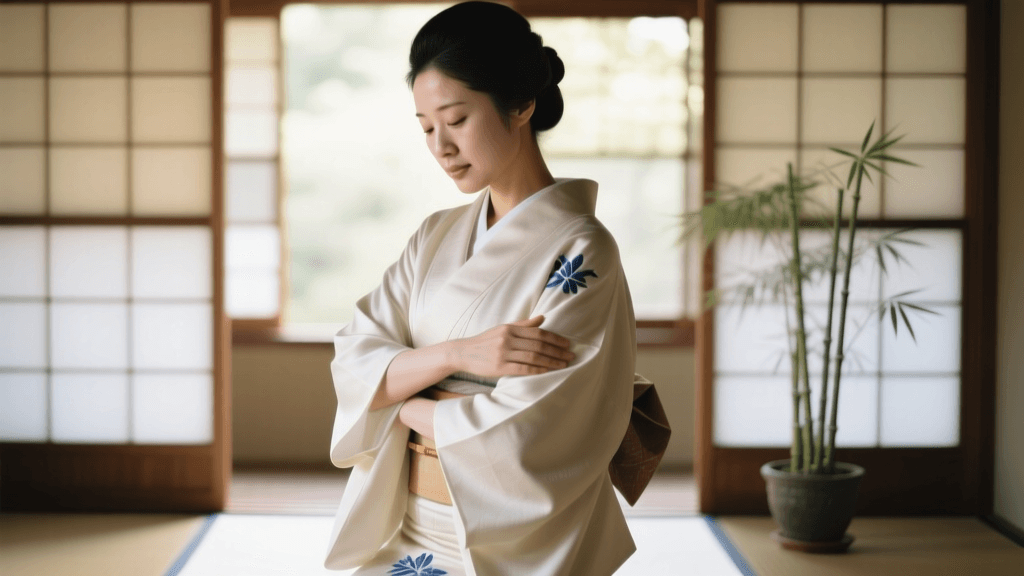
The 2026 Yuki-Tsumugi Kimono Styling & Care Guide
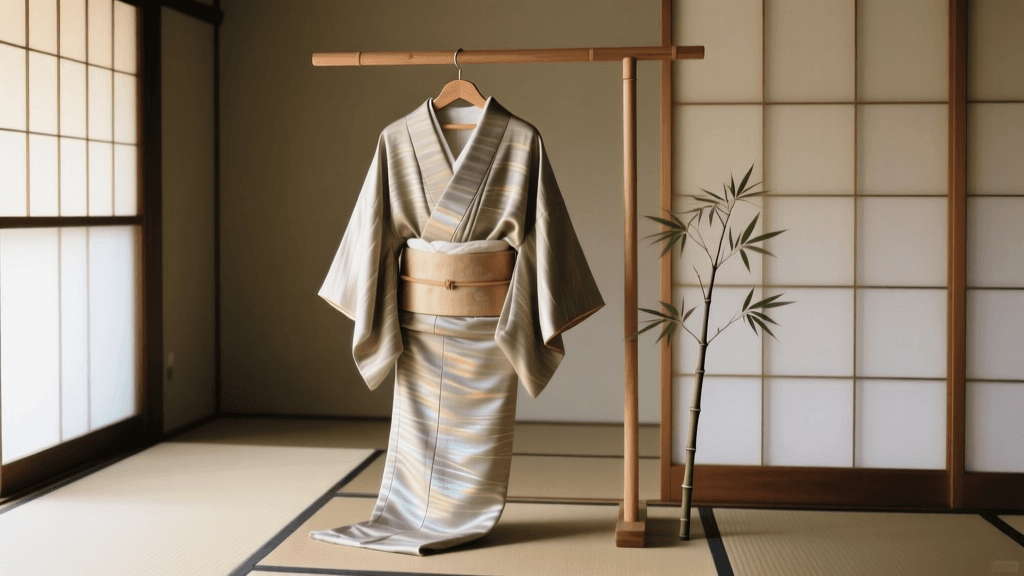
The Enduring Legacy of Yuki-Tsumugi in 2026
As we navigate the global fashion landscape of 2026, the collective appetite for sustainable, slow fashion has brought unprecedented attention to heritage textiles. Among the most revered of these is Yuki-tsumugi, a hand-woven silk fabric originating from the Ibaraki and Tochigi prefectures of Japan. Recognized globally for its exceptional craftsmanship, this textile represents the pinnacle of Japanese weaving methods. According to the UNESCO Intangible Cultural Heritage registry, Yuki-tsumugi is celebrated not just as a fabric, but as a living tradition that embodies the spiritual and aesthetic values of Japanese culture. In 2026, wearing Yuki-tsumugi is no longer confined to strict historical reenactment; it has evolved into a sophisticated expression of personal style, bridging the gap between ancient Zen spirituality and contemporary international design.
The Art of Weaving: A Sensory and Spiritual Experience
To truly appreciate how to style a Yuki-tsumugi kimono, one must first understand the profound sensory experience of its creation. The process begins with floss silk, which is hand-spun into yarn using a traditional spindle. Unlike machine-spun threads, this hand-spun yarn retains microscopic irregularities that give the final fabric its distinctive, breathable texture. The hallmark of Yuki-tsumugi is its kasuri (tie-dye) patterns. Artisans meticulously tie thousands of individual threads with cotton before dyeing them in indigo or natural botanical dyes. When woven, these tied sections resist the dye, creating intricate, slightly blurred geometric or nature-inspired patterns.
The weaving itself is performed on a jibata, a traditional backstrap loom. The weaver sits on the floor, using their body weight to control the tension of the warp threads. This intimate physical connection between the artisan and the textile imbues the fabric with a unique energy. The Japan National Tourism Organization frequently highlights this meditative weaving process as a prime example of how Japanese traditional crafts are deeply intertwined with Zen spirituality. The rhythmic, repetitive motion of the loom requires intense mindfulness, making the creation of a single bolt of Yuki-tsumugi a spiritual practice that can take several months to complete.
Styling Yuki-Tsumugi Across Life Stages
In 2026, the versatility of Yuki-tsumugi allows it to be styled across various life stages and social occasions. Its understated elegance makes it a favorite for those who appreciate the wabi-sabi aesthetic—the beauty found in imperfection and transience.
Seijin-shiki and Youth Fashion
For young adults celebrating Seijin-shiki (Coming of Age Day), the trend in 2026 leans heavily toward vintage and upcycled heritage garments. Rather than opting for mass-produced, brightly colored synthetic kimonos, many young women and men are choosing subdued, vintage Yuki-tsumugi. For women, pairing a dark indigo Yuki-tsumugi kimono with a vibrant, modern silk hanhaba obi (half-width sash) creates a striking contrast that honors tradition while asserting individuality. Young men are increasingly adopting Yuki-tsumugi haori (jackets) worn over modern turtlenecks and tailored trousers, blending traditional Japanese fashion with contemporary streetwear.
Zen Spirituality and Tea Ceremonies
The chakai (tea gathering) demands attire that reflects humility, respect, and a deep connection to the seasons. Yuki-tsumugi is the ultimate choice for tea practitioners. Its matte finish and subtle kasuri patterns do not distract from the serene environment of the tea room. In 2026, tea masters recommend selecting Yuki-tsumugi kimonos with motifs that subtly hint at the current season—such as faint plum blossoms for late winter or flowing water patterns for summer. The tactile warmth of the hand-spun silk provides a comforting, grounding sensory experience for both the host and the guest, perfectly aligning with the Zen principles of harmony and tranquility.
Sophisticated Guest Attire for Weddings
While Yuki-tsumugi is traditionally considered a casual or everyday wear fabric due to its hand-spun nature, the 2026 fashion paradigm has shifted. High-end, finely woven Yuki-tsumugi with complex edo-kasuri patterns is now widely accepted as sophisticated guest attire for weddings and formal gallery openings. When styled with a luxurious fukuro obi (a formal, fully patterned sash) woven with gold or silver threads, the matte silk of the kimono provides a perfect, elegant canvas that prevents the overall outfit from appearing overly flashy, adhering to the Japanese cultural preference for refined subtlety.
Footwear and Accessory Coordination
Completing the Yuki-tsumugi ensemble requires careful consideration of footwear and accessories. In 2026, the focus is on natural materials that complement the organic texture of the hand-woven silk.
- Tabi: Opt for pure white cotton tabi (split-toe socks). For a more rustic, Zen-inspired look during autumn or winter, unbleached or charcoal-dyed cotton tabi are highly recommended.
- Zori and Geta: Avoid highly lacquered or synthetic footwear. Instead, choose zori with woven rush (igusa) or bamboo sheath covers. The natural, slightly rough texture of the bamboo echoes the hand-spun quality of the Yuki-tsumugi.
- Obijime and Obiage: The braided cord (obijime) should be chosen to pick up one of the subtle secondary colors in the kasuri pattern. In 2026, hand-braided silk cords from traditional artisans in Kyoto are favored over mass-produced alternatives, adding a layer of artisanal authenticity to the outfit.
Comprehensive Preservation and Care Guide
Preserving hand-woven silk requires specialized knowledge. The natural oils from the skin, environmental humidity, and improper storage can degrade the delicate floss silk. Institutions like the Victoria and Albert Museum, which house extensive historical kimono archives, emphasize that preventive care and proper storage are far more effective than reactive restoration.
Below is the recommended 2026 care protocol for maintaining the structural integrity and aesthetic beauty of Yuki-tsumugi garments:
| Care Stage | Traditional Method | 2026 Modern Best Practice | Frequency |
|---|---|---|---|
| Airing (Mushiboshi) | Hanging outside in the shade on a dry, breezy autumn day. | Using climate-controlled indoor airing racks with HEPA filtration to avoid urban pollutants and sudden humidity spikes. | Twice a year (Spring/Autumn) |
| Washing | Arai-hari: Unpicking the kimono, washing the fabric bolts in cold water, and stretching them on bamboo frames. | Eco-friendly, pH-neutral silk detergents used by certified arai-hari specialists who use modern tension-monitoring frames to prevent warp distortion. | Every 3-5 years, or when soiled |
| Storage | Wrapping in acid-free tatoushi paper and storing in wooden drawers with camphor. | Archival-grade, breathable cotton storage bags placed in humidity-controlled cedar chests. Natural hinoki wood blocks are used instead of chemical mothballs. | Continuous |
| Wrinkle Removal | Hanging in a steamy bathroom. | Using professional-grade, low-heat dry steamers held at least 6 inches away from the fabric to relax the hand-spun fibers without flattening the texture. | As needed before wearing |
The Importance of Arai-Hari
The arai-hari process is unique to traditional Japanese garments. Because kimonos are constructed from straight cuts of fabric bolt, they can be entirely disassembled, washed, and re-sewn. For Yuki-tsumugi, this process is vital. The hand-spun silk can shrink or shift if exposed to modern dry-cleaning chemicals. In 2026, a network of certified preservationists offers specialized arai-hari services that utilize purified, mineral-balanced water to gently cleanse the silk while preserving the natural sericin (silk protein) that gives Yuki-tsumugi its characteristic stiffness and luster.
Sourcing Authentic Pieces and Sustainable Trade
As the demand for authentic heritage garments grows, the trade of Yuki-tsumugi has become highly regulated to protect both the consumer and the artisan. In 2026, purchasing a new, authentic Yuki-tsumugi kimono is a significant investment, often costing between $3,000 and $10,000 USD, reflecting the hundreds of hours of manual labor required. Buyers should always look for the official certification seal from the Yuki-Tsumugi Weavers Association, which guarantees the fabric was hand-spun and woven on a jibata loom in the designated regions.
For those seeking more accessible options, the vintage and upcycled market has flourished. Sustainable fashion cooperatives in Tokyo and Kyoto now offer authenticated vintage Yuki-tsumugi pieces that have been professionally cleaned and restored. Purchasing vintage not only makes this exquisite textile more financially accessible but also aligns with the core tenets of sustainable fashion and environmental preservation. Whether acquired new from a master weaver or carefully selected from a vintage curator, a Yuki-tsumugi kimono remains a profound wearable archive of Japanese history, artistry, and Zen philosophy.