Top Chinese Fashion Blogs Reviving Hanfu Trends 2026
The Digital Renaissance of Chinese Sartorial Journalism
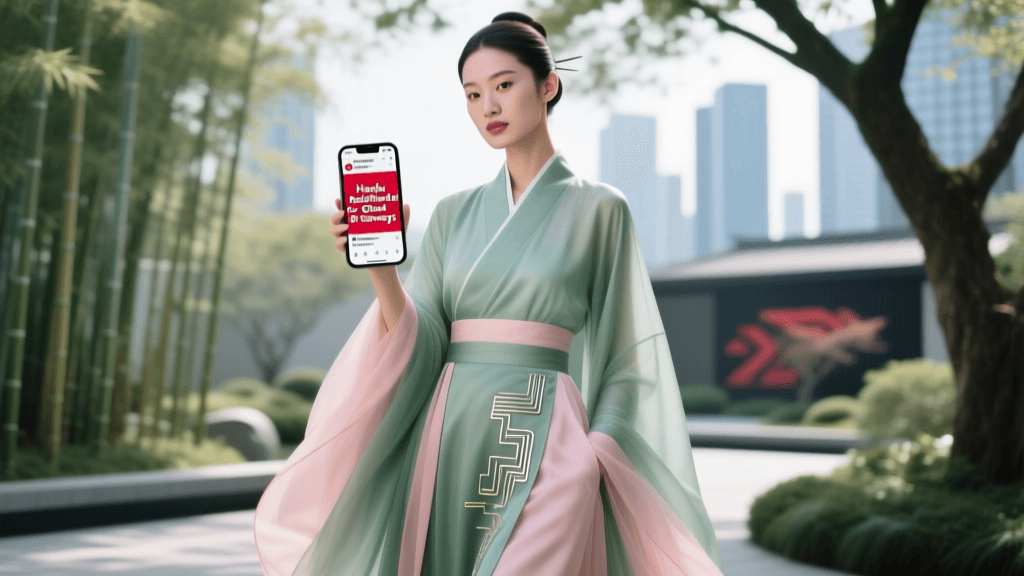
The landscape of Asian traditional garments has undergone a seismic shift as we navigate through 2026. No longer confined to museum archives or niche historical societies, traditional Chinese clothing—collectively known as Hanfu—has exploded into the global mainstream. At the heart of this revival is a new generation of Chinese fashion journalism blogs and digital content creators who are redefining how we consume, understand, and wear historical garments. Platforms like Xiaohongshu (RED) and Bilibili have replaced traditional print magazines as the premier destinations for sartorial education, trend forecasting, and cultural preservation. According to recent market analysis by Jing Daily, the 'Xin Zhong Shi' (New Chinese Style) market valuation has surpassed unprecedented figures in 2026, driven almost entirely by hyper-niche digital creators who blend rigorous historical research with modern street-style aesthetics.
The Evolution of Fashion Journalism: From Print to Algorithmic Curation
In 2026, Chinese fashion journalism is characterized by its decentralized, creator-led model. Independent bloggers act as both historians and stylists, utilizing short-form video and interactive live streams to dissect the construction of Ming Dynasty outerwear or the complex weaving techniques of Song brocade. The algorithmic curation on Xiaohongshu heavily favors 'knowledge-sharing' posts, meaning that creators who provide deep, educational value regarding traditional garment construction are rewarded with massive organic reach. Coverage by the South China Morning Post's fashion desk frequently highlights how these digital journalists are bridging the gap between ancient textile techniques and contemporary urban wardrobes, effectively turning historical garments into viable, everyday fashion choices for Gen Z and millennial consumers worldwide.
Leading Content Creator Archetypes in 2026
To understand the ecosystem of Chinese fashion blogging, one must look at the distinct archetypes of creators dominating the space this year:
1. The Digital Archivist
These creators focus on museum-grade accuracy. They visit provincial museums, study excavated textile fragments, and collaborate with university researchers to publish exhaustive guides on garment layering, historical color palettes, and period-accurate accessories. Their content is highly cited by international costume designers and historical reenactors.
2. The Xin Zhong Shi Street Stylist
Operating at the intersection of tradition and modernity, these fashion bloggers specialize in 'New Chinese Style.' They demonstrate how to pair a traditional Mamianqun (horse-face skirt) with a contemporary leather jacket, or how to style a Song Dynasty Beizi (slip dress) over a modern turtleneck. Their journalism focuses on accessibility, proving that traditional garments can thrive in modern urban environments like Shanghai, Tokyo, and New York.
3. The Artisan Documentarian
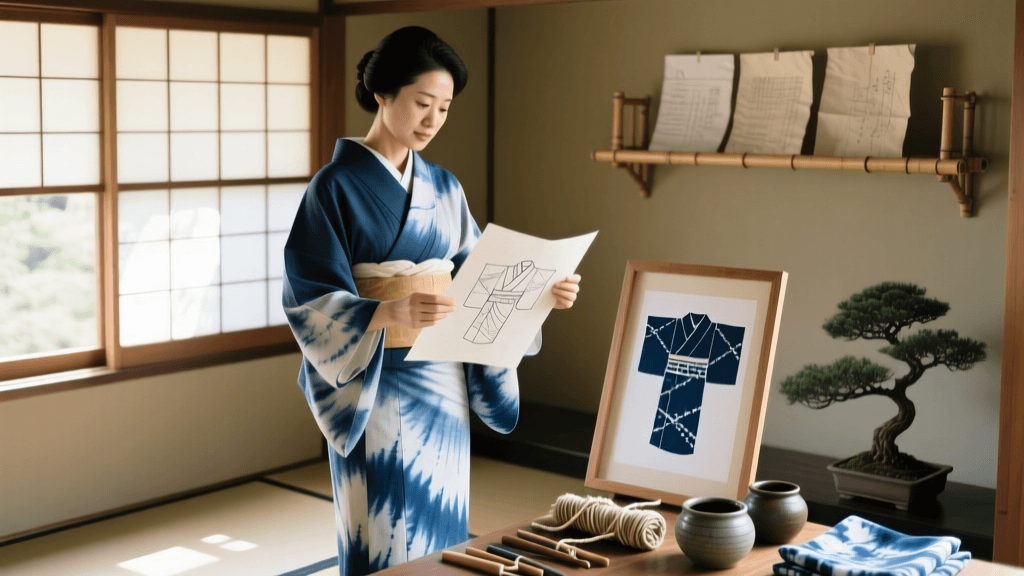
Focused on the supply chain and craftsmanship, these creators travel to rural weaving villages in Jiangsu and Zhejiang provinces. They produce high-quality mini-documentaries on the intangible cultural heritage of Chinese textiles, such as the intricate production of Xiangyunsha (gambiered Guangdong gauze) and natural indigo dyeing processes, bringing transparency and ethical consumption to the forefront of the 2026 fashion conversation.
The Mamianqun Phenomenon: From Archives to Global Streets
No garment better exemplifies the power of Chinese fashion bloggers in 2026 than the Mamianqun, or horse-face skirt. Originally popularized during the Ming Dynasty, the Mamianqun features a flat front and back panel with pleated sides, allowing for ease of movement while maintaining a structured, elegant silhouette. Digital creators have successfully lobbied for its integration into everyday corporate and casual wear. Global luxury trackers at Vogue Business note that the Mamianqun has become a staple in the wardrobes of international fashion influencers, thanks to the relentless styling tutorials and historical context provided by Chinese digital journalists.
| Design Feature | Traditional Ming Dynasty Specification | 2026 Xin Zhong Shi Creator Adaptation |
|---|---|---|
| Length & Hem | Floor-grazing, strict modesty codes, heavy weighting | Midi and tea-length options for urban mobility and subway commuting |
| Waistband | White cotton or linen tie-waist, hidden beneath tops | Contrasting silk waistbands, often worn exposed with cropped modern knitwear |
| Textiles | Heavy silk brocades, damask, woven gold threads | Lightweight jacquards, breathable linens, and vegan leather accents |
| Pleat Structure | Deep, wide knife pleats requiring meticulous hand-pressing | Heat-set permanent pleats using modern synthetic blends for easy care |
| Fastening | Traditional fabric ties and hidden loops | Hidden side-zippers and magnetic clasps for modern convenience |
Eco-Friendly Dyeing and Textile Education on Bilibili
A major subtopic championed by Chinese fashion bloggers in 2026 is the revival of natural, eco-friendly dyeing methods. As global consumers demand sustainability, digital journalists on Bilibili are producing long-form video essays on the environmental benefits of traditional Chinese dyeing techniques. Creators are documenting the use of Shouwu (fleeceflower root) for deep purples, gardenia for vibrant yellows, and persimmon juice for waterproof, auburn-hued cottons. By framing these ancient techniques as the ultimate form of sustainable, slow fashion, these bloggers are influencing a new wave of eco-conscious buyers who are willing to pay a premium for naturally dyed, artisan-crafted Hanfu pieces.
Actionable Guide: Engaging with Chinese Fashion Blogs and Sourcing Garments
For international enthusiasts, historians, and fashion students looking to tap into this wealth of knowledge and source authentic garments in 2026, navigating the Chinese digital landscape requires specific strategies. Here is a practical guide to engaging with these creators and sourcing the pieces they recommend:
Essential Search Terms for Xiaohongshu and Taobao
To find the best journalism and retail sources, copy and paste these specific Chinese terms into platform search bars:
- 马面裙 (Mamianqun): The horse-face skirt. Add '日常' (daily wear) to find modern, practical styling blogs.
- 香云纱 (Xiangyunsha): Gambiered Guangdong gauze. Search this to find artisan documentarians and luxury sustainable silk vendors.
- 新中式穿搭 (Xin Zhong Shi Chuan Da): New Chinese Style outfit coordination. This is the primary hashtag used by street stylists blending Hanfu with modern apparel.
- 汉服形制科普 (Hanfu Xingzhi Kepu): Hanfu silhouette education. Use this to find the 'Digital Archivist' creators who post rigorous historical breakdowns.
Translation and Navigation Tools
While platforms like Xiaohongshu are increasingly integrating AI-driven auto-translation for English users in 2026, nuanced textile terminology often gets lost. We recommend using the Pleco dictionary app for precise historical garment translations, and utilizing screen-translation extensions on desktop browsers when reading long-form WeChat Official Account articles published by digital fashion magazines. When sourcing from Taobao or specialized Hanfu boutiques like Shisan Yu or Tingyue Feng, always use the platform's built-in image search. Save screenshots of the garments featured in your favorite creator's lookbook and upload them to the Taobao app to find the exact retailer or verified authorized resellers.
Pricing Expectations in 2026
Understanding the pricing tiers documented by fashion journalists is crucial for avoiding counterfeit or low-quality 'costume' grades. Entry-level, mass-produced Mamianqun skirts made from synthetic jacquard typically range from $45 to $90 USD. Mid-tier garments, featuring accurate historical silhouettes, blended natural fibers, and reputable brand backing, sit between $120 and $350 USD. For museum-grade, artisan-crafted pieces utilizing authentic Song brocade or naturally dyed Xiangyunsha silk, digital archivists advise budgeting anywhere from $600 to over $2,500 USD, reflecting the hundreds of hours of manual loom weaving and natural dye processing required.
The Future of Traditional Garment Journalism
As we move further into 2026, the influence of Chinese fashion blogs and content creators shows no signs of waning. They have successfully transformed traditional garments from static relics into a dynamic, living fashion movement. By combining rigorous historical journalism with modern digital distribution, these creators are not only preserving Asian sartorial heritage but are actively writing the rules for the future of global, culturally-rooted fashion. Whether you are a textile student, a sustainable fashion advocate, or a wardrobe enthusiast, following these digital journalists provides an unparalleled masterclass in the art, history, and future of traditional Asian dress.