Korean Hanbok Guide 2026: Everyday Saenghwal vs Ceremonial Wear
The Duality of the Hanbok: Tradition Meets Modernity in 2026
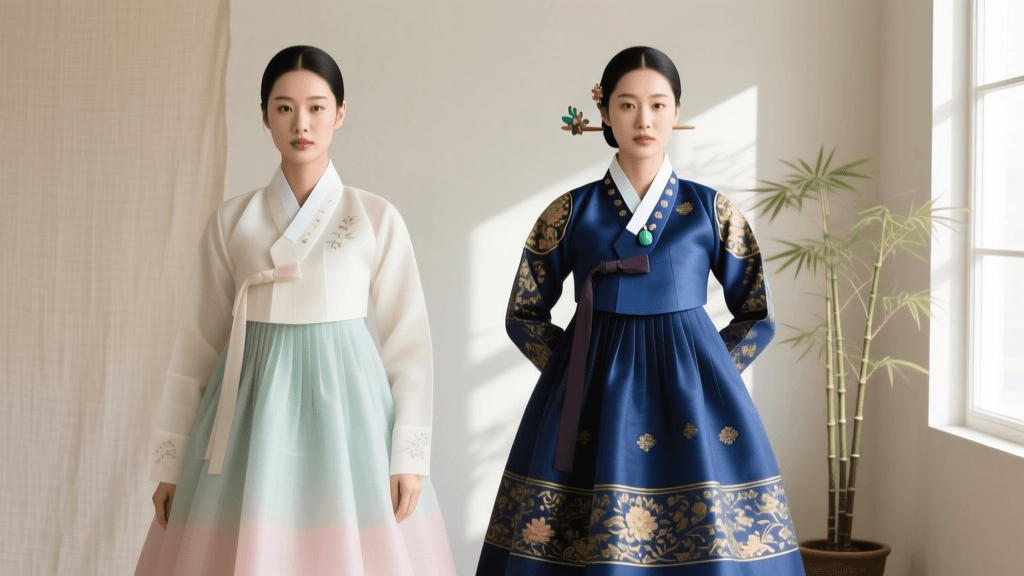
The Korean hanbok is a masterclass in structural elegance, characterized by its vibrant colors, flowing silhouettes, and deep philosophical roots. However, as we navigate the fashion landscape of 2026, the hanbok is no longer a monolith. It has bifurcated into two distinct categories: the strict, highly regulated ceremonial garments (Myeongjeol and Honrye) and the rapidly evolving everyday adaptations known as Saenghwal hanbok. For enthusiasts, collectors, and those looking to incorporate Asian traditions into their modern wardrobes, understanding the precise boundaries between these two styles is essential. According to the National Folk Museum of Korea, the structural foundation of the hanbok has remained remarkably consistent for centuries, yet the ways in which contemporary society interacts with these garments have shifted dramatically.
This comprehensive guide explores the anatomical, material, and cultural differences between ceremonial and everyday hanbok in 2026, providing actionable advice on styling, purchasing, and garment care.
The Anatomy of the Silhouette: Baerae, Goreum, and Chima
Before diving into the ceremonial versus everyday divide, one must understand the core architectural elements of the hanbok. The traditional silhouette is defined by the jeogori (upper garment) and the chima (wrap-around skirt for women) or baji (trousers for men). The sleeves of the jeogori feature a distinctive curve known as the baerae, which mimics the gentle slope of traditional Korean temple roofs. The garment is secured not by buttons, but by the goreum (long fabric ties), and accented by the dongjeong (a crisp, white, detachable paper or fabric collar).
While these elements form the baseline of all hanbok, the execution, proportion, and materials used in these components are exactly where the ceremonial and everyday styles diverge in 2026.
The Ceremonial Standard: Myeongjeol and Honrye Hanbok
Ceremonial hanbok, worn for major holidays like Chuseok and Seollal (Myeongjeol), as well as traditional weddings (Honrye), adheres to strict historical codes. These garments are not merely clothing; they are wearable heritage. The Wonsam (court dress) and Hwarot (bridal robe) represent the pinnacle of this category, though modern ceremonial wear often utilizes elevated versions of the standard jeogori and chima.
Fabrics and the Philosophy of Obangsaek
Authentic ceremonial hanbok relies heavily on Myeongju (pure, tightly woven silk) and Sa (gauze silk for summer). In 2026, the finest ceremonial pieces still utilize Geumbak, a painstaking technique where 24-karat gold leaf is stamped onto the silk using hand-carved wooden blocks. The color palette is heavily influenced by Obangsaek, the traditional Korean five-color spectrum (blue, red, yellow, white, and black) representing the elements and cosmic balance. A traditional bridal chima will often feature deep crimson or indigo, while the jeogori might be a vibrant celadon or mustard, heavily embroidered with peonies or phoenixes to symbolize wealth and prosperity.
Structural Rigidity and Layering
Ceremonial garments demand volume and rigidity. A proper Myeongjeol ensemble requires multiple layers of undergarments, including the sokchima (underskirt) and mujigi chima (hoop-like petticoats) to achieve the iconic, bell-shaped silhouette. The goreum (ties) on ceremonial jackets are exceptionally long, often reaching past the waist, and the baerae (sleeve curve) is pronounced and voluminous, restricting rapid movement but enforcing a graceful, deliberate gait.
The Everyday Revolution: Saenghwal Hanbok in 2026
Saenghwal hanbok translates literally to 'daily life' hanbok. Over the last decade, and culminating in the design innovations of 2026, Saenghwal hanbok has transformed from a niche subculture into a mainstream fashion staple in Seoul and beyond. Exhibitions highlighted by the Korea Craft & Design Foundation emphasize how contemporary designers are stripping away the impracticalities of traditional dress while preserving its spiritual essence.
Modern Proportions and Functional Adjustments
The most striking difference in 2026's Saenghwal hanbok is the silhouette. The chima length has been drastically altered; while ceremonial skirts brush the floor, everyday skirts typically hit at the mid-calf or even the knee, allowing for easy navigation of subways, cafes, and office environments. The jeogori is often tailored closer to the body, and the voluminous baerae sleeve is frequently replaced with a straighter, more Western-style sleeve to accommodate modern outerwear like trench coats and blazers.
Furthermore, the traditional goreum ties, which require a specific knotting technique and can easily come undone, are increasingly being replaced by hidden magnetic snaps, hook-and-eye closures, or drastically shortened decorative ties that maintain the visual aesthetic of the knot without the functional hassle.
Sustainable and Washable Textiles
Silk is impractical for daily wear, especially in the context of modern urban life and climate shifts. The 2026 Saenghwal market is dominated by high-quality cotton-linen blends, Tencel, and organic ramie (mosi). A major trend this year is the use of naturally dyed, recycled textiles. Brands are utilizing plant-based dyes (like indigo and persimmon) on machine-washable fabrics, bridging the gap between eco-conscious consumerism and traditional aesthetics.
Direct Comparison: Ceremonial vs. Everyday Hanbok
To visualize the distinct differences between these two categories, refer to the comparison chart below:
| Feature | Ceremonial (Myeongjeol / Honrye) | Everyday (Saenghwal) |
|---|---|---|
| Primary Fabrics | Myeongju (Pure Silk), Geumbak (Gold Leaf) | Cotton-linen blends, Tencel, Ramie, Washable Silk |
| Skirt Length (Chima) | Floor-length, requiring petticoats for volume | Midi, calf-length, or knee-length; minimal petticoats |
| Closure System | Traditional long Goreum (fabric ties) | Hidden snaps, hooks, or shortened decorative ties |
| Sleeve Shape (Baerae) | Pronounced, voluminous curve | Straightened, tailored, or subtly curved |
| Care & Maintenance | Dry clean only; specialist pressing required | Machine washable (gentle cycle) or easy hand-wash |
| 2026 Avg. Cost (USD) | $400 - $1,500+ (Purchase); $100 (Rental) | $80 - $250 (Ready-to-wear sets) |
Practical Buying, Styling, and Care Guide for 2026
Whether you are investing in a bespoke ceremonial piece or building a capsule wardrobe of everyday Saenghwal garments, navigating the market requires specific knowledge. Cultural preservation initiatives documented by Korea.net show a massive surge in global interest, meaning international buyers have more access than ever, but also face a flood of low-quality, mass-produced costumes masquerading as authentic hanbok.
Where to Buy and What to Look For
- For Ceremonial Wear: If you are attending a traditional wedding or a major cultural festival, renting is often the most practical choice. In Seoul's Bukchon and Insadong districts, premium rental boutiques offer fully layered Myeongjeol sets, complete with traditional floral crowns (jokduri) and embroidered shoes (kkotsin), typically ranging from 120,000 to 180,000 KRW ($85 to $130 USD) for a four-hour rental. For bespoke purchases, seek out certified Hanbok Myeongjang (master artisans) who can customize the Obangsaek color palette to suit your personal complexion and elemental birth year.
- For Everyday Saenghwal: Look for established contemporary brands that specialize in structural integrity. A high-quality Saenghwal jeogori should still feature a visible dongjeong (white collar), even if it is integrated into the fabric rather than detachable. Ensure the chima includes deep, practical pockets—a hallmark of well-designed 2026 everyday hanbok. Expect to pay between 100,000 and 150,000 KRW ($70 to $110 USD) for a high-quality, designer-led everyday set.
Styling for the Modern Era
The beauty of the 2026 Saenghwal hanbok lies in its modularity. You do not need to wear the full ensemble to honor the tradition. Pair a structured, linen jeogori with high-waisted, wide-leg Western trousers for a sophisticated office look. Conversely, a solid-colored, midi-length chima can be paired with a modern, fitted turtleneck sweater and ankle boots during the autumn months. For ceremonial events, however, strict adherence to the full ensemble, including the appropriate under-layers and traditional footwear, is expected to maintain the dignity of the occasion.
Garment Care and Preservation
Caring for your garments correctly ensures their longevity. Ceremonial silks must never be exposed to water; spot clean only and rely on professional dry cleaners who specialize in traditional Asian textiles. The gold leaf (Geumbak) is highly susceptible to friction and moisture, so always store ceremonial garments flat, layered with acid-free tissue paper, rather than hanging them, which can distort the shoulder lines over time.
For everyday cotton and linen Saenghwal pieces, machine washing on a delicate, cold-water cycle inside a mesh laundry bag is perfectly acceptable. However, to maintain the crispness of the collar and the structure of the pleats, air drying and ironing on a medium setting with a pressing cloth is highly recommended.
"The true survival of the hanbok in 2026 does not rely on freezing it in a museum, but on allowing it to breathe in the daily lives of the people. The Saenghwal hanbok is not a dilution of tradition; it is the necessary evolution of it."
— Contemporary Hanbok Design Symposium, Seoul, 2026
Conclusion
The dichotomy between the ceremonial Myeongjeol and the everyday Saenghwal hanbok represents the beautiful tension at the heart of Asian traditional fashion. One preserves the sacred, historical, and philosophical weight of the past, while the other ensures the garment remains a living, breathing part of the present. By understanding the distinct fabrics, silhouettes, and styling rules of both categories, you can confidently and respectfully integrate the hanbok into your 2026 wardrobe, whether you are walking down the aisle or walking into a modern boardroom.