Hanfu Secondhand Market 2026: Vintage Collecting & Resale Guide
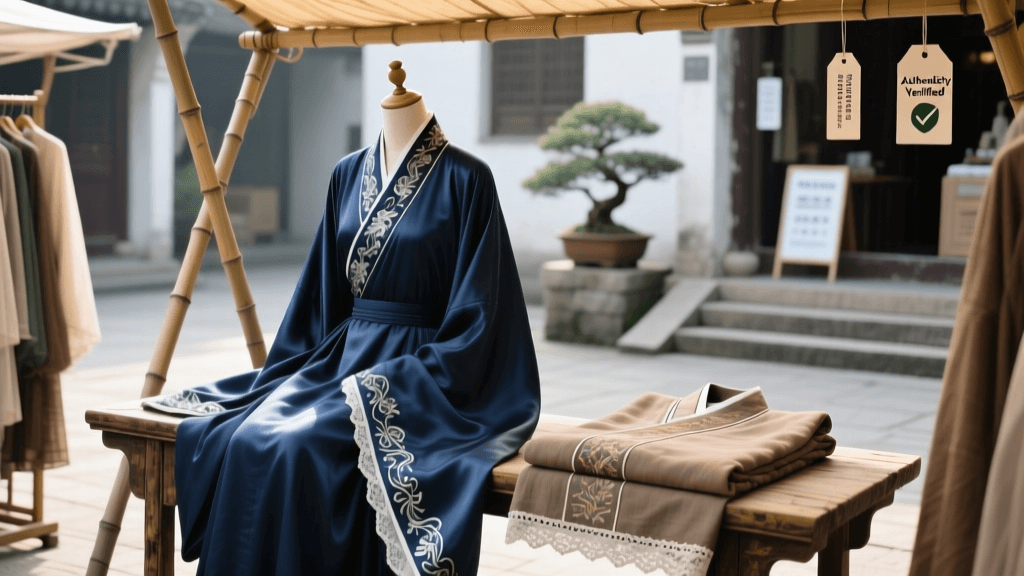
The Evolution of the Hanfu Secondhand Market in 2026
The global fascination with traditional Chinese clothing has matured significantly over the last decade. By 2026, the Hanfu secondhand market has evolved from a niche community of enthusiasts trading homemade garments into a sophisticated, multi-million-dollar resale and vintage collecting ecosystem. Today, collectors and investors are not merely looking for affordable alternatives to retail prices; they are actively hunting for rare, discontinued, and historically significant pieces. Whether you are flipping limited-edition modern releases or acquiring authentic Ming dynasty textile fragments, understanding the nuances of the 2026 Hanfu resale landscape is essential for building a valuable and authentic collection.
The surge in Hanfu's popularity has created distinct sub-markets. On one end, there is the 'hype' resale market, driven by limited production runs from premium brands like Ming Huatang and Shisanyu, where waitlists can stretch for years. On the other end lies the true vintage and antique market, where early 2000s revival pieces and historical textiles are treated as museum-grade artifacts. Navigating these waters requires a keen eye for fabric, construction, and historical context.
Categorizing Secondhand Hanfu: Modern Resale vs. True Vintage
To succeed in the 2026 market, collectors must clearly distinguish between modern secondhand Hanfu and true vintage or antique pieces. The terminology can be confusing for newcomers, but the valuation metrics are vastly different.
The 'Early Revival' Vintage (2003–2012)
The modern Hanfu movement is widely considered to have begun around 2003, when early pioneers started wearing reconstructed historical garments in public. Garments produced during this genesis period (2003–2012) are now highly sought after by cultural historians and serious collectors. These early pieces were often handmade by small, pioneering studios or dedicated hobbyists. They feature experimental patterning, early attempts at replicating historical weaves, and unique construction methods that differ from today's standardized mass production. Finding an intact, documented early-revival piece in 2026 is akin to finding early streetwear archives; they represent the cultural genesis of a massive movement.
Antique Textile Fragments (Ming and Song Dynasties)
For the high-end collector, the focus shifts to genuine historical textiles. Complete garments from the Ming (1368–1644) or Song (960–1279) dynasties are exceptionally rare and usually reside in museums. However, the private market frequently trades in antique textile fragments, collars, sleeves, and embroidered panels. These pieces are valued for their kesi (silk tapestry) and yunjin (cloud brocade) techniques. According to the UNESCO Intangible Cultural Heritage registry, the traditional sericulture and silk craftsmanship of China involve complex, generational techniques that are visible under microscopic analysis, making them a focal point for serious textile investors.
2026 Valuation Matrix: What is Your Hanfu Worth?
Pricing in the secondhand Hanfu market fluctuates based on brand prestige, historical accuracy, material purity, and condition. Below is a general valuation guide for the 2026 market.
| Category | Era / Origin | Condition | 2026 Est. Market Value (USD) | Collector Demand |
|---|---|---|---|---|
| Mass-Market Fast Fashion Hanfu | 2020–2025 | Used / Good | $15 – $40 | Low |
| Premium Brand Limited Edition (e.g., Ming Huatang) | 2018–2025 | New With Tags / Mint | $800 – $3,500+ | Very High |
| Early Revival Pioneer Garment | 2003–2012 | Fair / Documented | $500 – $2,000 | High (Niche) |
| Antique Ming Dynasty Embroidered Panel | 15th–17th Century | Fragile / Archival | $2,500 – $15,000 | Extremely High |
| Song Dynasty Luo (Gauze) Fragment | 10th–13th Century | Fragment / Preserved | $1,200 – $8,000 | High (Academic) |
Authentication Techniques for Collectors
As the financial stakes in the Hanfu secondary market have risen, so has the prevalence of counterfeit 'antique' textiles and fake limited-edition modern pieces. Authenticating your acquisitions is a critical skill in 2026.
Fabric and Weave Analysis
True historical Hanfu textiles rely on complex weave structures like luo (gauze), ling (twill damask), duan (satin damask), and chou (plain weave silk). When evaluating a purported antique piece, collectors must examine the warp and weft threads. Modern power looms produce uniform, perfectly tensioned threads, whereas historical hand-looms exhibit slight, natural irregularities. Furthermore, the dyes used in genuine pre-20th-century pieces were derived from natural sources like indigo, madder root, and pagoda tree buds. These natural dyes age with a distinct, soft patina and fade unevenly compared to the harsh, uniform degradation of modern synthetic aniline dyes.
Construction and Stitching
Historical Chinese garments utilize specific flat-felling techniques and invisible stitching that differ vastly from modern Western tailoring or even modern Hanfu mass production. The Victoria and Albert Museum's extensive archives on Chinese textiles note that traditional garment construction avoids cutting the fabric on the bias, preserving the integrity of the woven motifs and the structural strength of the silk. When inspecting early revival vintage pieces, look for the transition from traditional hand-stitching to early domestic machine stitching, which helps date the garment to specific years in the early 2000s.
Preservation and Archival Storage
Whether you are storing a $2,000 Ming Huatang mamianqun (horse-face skirt) or a fragile Qing dynasty collar, proper preservation is non-negotiable. Silk is a protein fiber that is highly susceptible to light damage, moisture fluctuations, and pest infestation.
- Climate Control: Maintain a stable environment of 65°F (18°C) with 50% relative humidity. Fluctuations cause silk fibers to expand and contract, leading to micro-tears.
- Archival Materials: Never store Hanfu in plastic bags, which trap moisture and emit off-gassing chemicals. Use unbleached, acid-free muslin cotton bags or archival-quality polyester enclosures.
- Folding vs. Rolling: Heavy skirts like the mamianqun should be rolled around acid-free cardboard tubes to prevent permanent creasing of the gold-leaf or metallic threads. Lighter garments can be folded with acid-free tissue paper buffering the folds to reduce stress on the fibers.
- Professional Conservation: For antique fragments, consult professionals. The Metropolitan Museum of Art's Textile Conservation Department provides extensive public guidelines on the stabilization of historical silks, emphasizing that amateur cleaning attempts often cause irreversible damage to fragile historical weaves.
Navigating Resale Platforms in 2026
The platforms where Hanfu is bought and sold have diversified significantly. For everyday secondhand modern Hanfu, China's Xianyu (Idle Fish) remains the undisputed giant, offering built-in authentication services for premium brands and an escrow system that protects both buyers and sellers. In the West, platforms like Depop and specialized Facebook collector groups cater to the diaspora and international enthusiasts, though buyers must be wary of shipping costs and customs duties.
For true vintage and antique textiles, the market operates through specialized auction houses like Poly International and China Guardian, as well as private WeChat mini-programs curated by established textile dealers. Building a network within these private circles is often the only way to access museum-quality historical fragments before they go to public auction.
Final Thoughts for the 2026 Collector
The Hanfu secondhand market in 2026 is a vibrant intersection of fashion, history, and investment. Success in this space requires moving beyond the aesthetic appeal of the garments and developing a deep appreciation for the material culture they represent. By mastering authentication, understanding historical weave structures, and adhering to strict archival preservation standards, collectors can ensure that these remarkable pieces of Asian textile heritage are protected and valued for generations to come.