Top Chinese Traditional Fashion Blogs & Creators In 2026
The Renaissance of Chinese Fashion Journalism in 2026
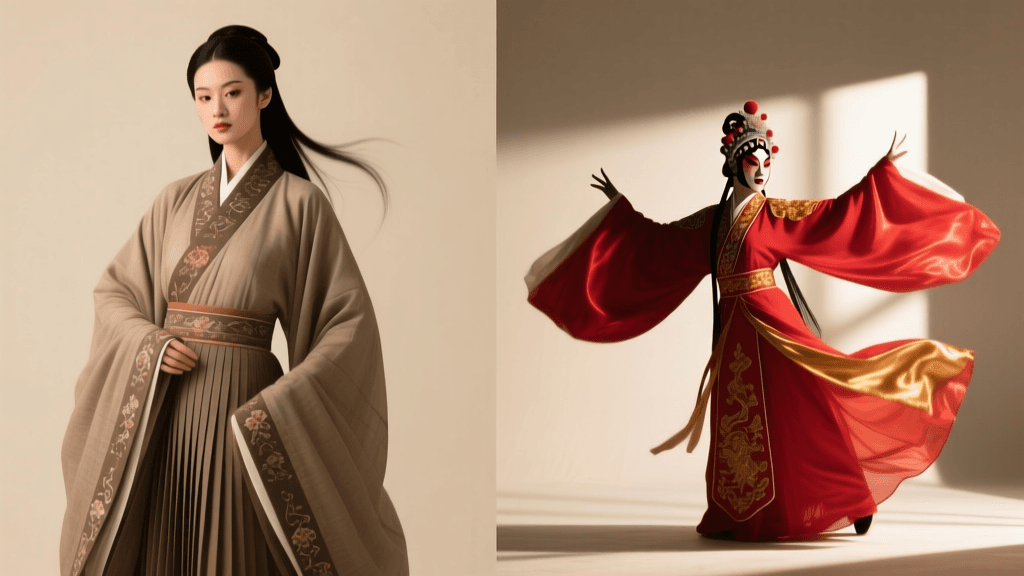
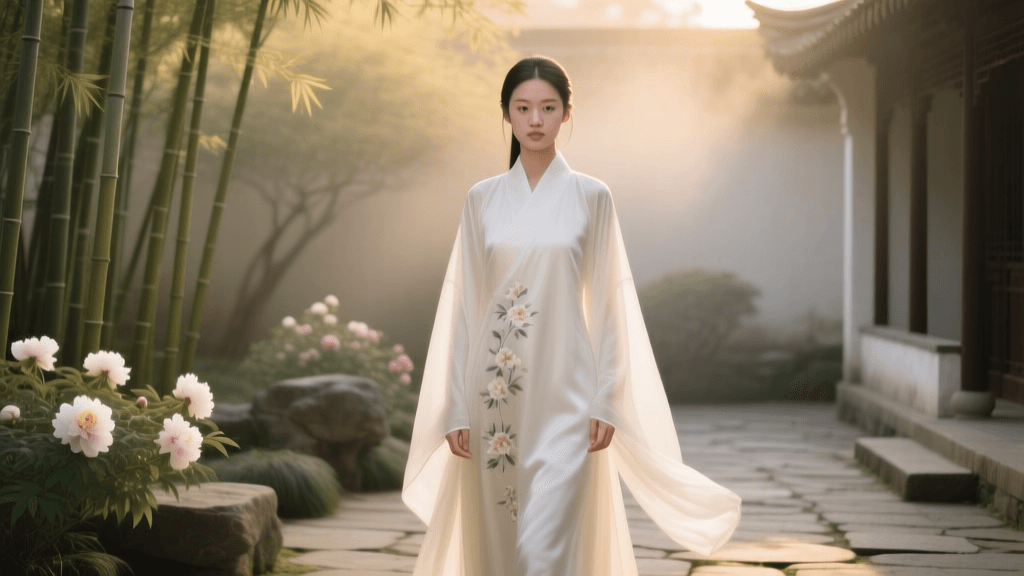
The landscape of Asian traditional garments has undergone a seismic shift. No longer confined to niche historical reenactment groups, traditional Chinese fashion—collectively embraced under the modern umbrella of Huafu and Hanfu—has evolved into a sophisticated, multi-billion-dollar global industry. At the forefront of this cultural renaissance is a new breed of Chinese fashion journalism blogs and content creators. In 2026, these digital journalists do not merely showcase outfits; they dissect textile weaves, translate ancient tailoring manuals, and hold mass-market brands accountable for historical inaccuracies.
For global enthusiasts, textile collectors, and industry professionals alike, understanding this ecosystem of digital creators is essential. According to market analyses by Jing Daily, the intersection of heritage craftsmanship and digital media has created a highly educated consumer base that demands rigorous historical authenticity alongside modern wearability. This article explores the platforms, creators, and journalistic methodologies defining Chinese traditional fashion media in 2026.
The Big Three: Platforms Driving Traditional Fashion Media
To understand Chinese fashion journalism, one must understand the platforms where these creators thrive. Unlike the Western reliance on fragmented social feeds, China’s digital ecosystem is highly specialized, with each platform serving a distinct journalistic purpose.
Xiaohongshu (Little Red Book): The Visual Vanguard
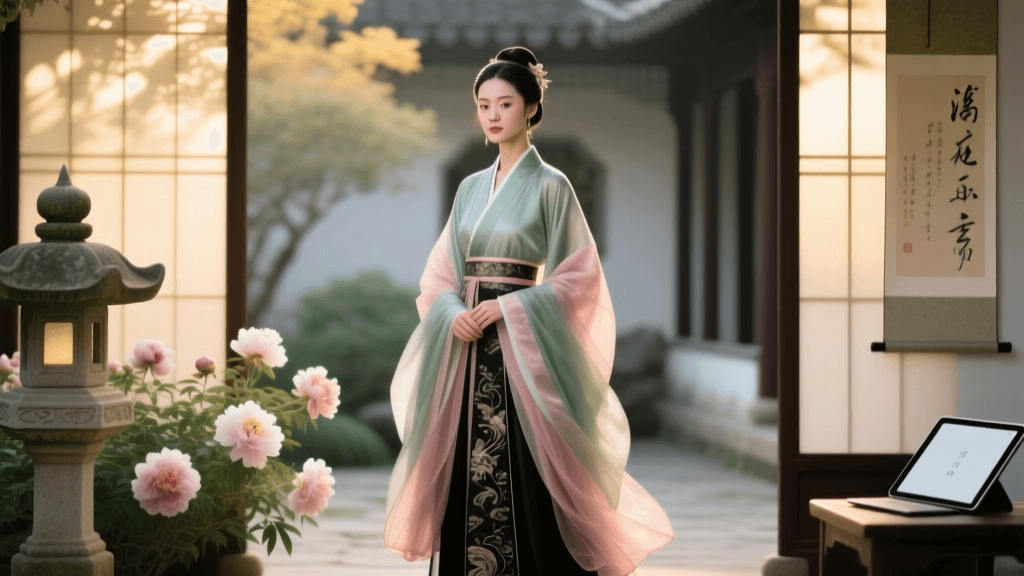
In 2026, Xiaohongshu remains the ultimate trendsetter for traditional styling. Creators here focus on high-fashion editorial photography, modern styling of the Mamianqun (horse-face skirt) for the corporate workplace, and rapid-fire trend reports. The journalism here is visual and highly actionable, often featuring detailed sizing guides, fabric drape comparisons, and brand reliability ratings. It is the premier destination for discovering how to integrate Ming Dynasty silhouettes into a modern winter wardrobe.
Bilibili: The Hub for Documentary-Style Deep Dives
Bilibili "UP hosts" (creators) produce 30-to-60-minute video essays that rival academic lectures. It is common to see creators digitally reconstructing Tang Dynasty Banbi (half-arm jackets) using 3D modeling software, cross-referencing their designs with mural paintings from the Mogao Caves. Bilibili is where the heavy lifting of historical verification occurs, featuring side-by-side comparisons of excavated artifacts and modern commercial reproductions.
WeChat Official Accounts: Deep-Textual Academia
Independent researchers and academic collectives publish long-form articles detailing the chemical composition of natural dyes, such as the complex fermentation process behind Xiangyunsha (gambiered Canton gauze). These articles serve as the primary citations for serious fashion historians and boutique brand owners looking to source authentic materials.
Top Creator Archetypes & Must-Follow Journalism Hubs
While individual influencers rise and fall, the 2026 landscape is dominated by distinct archetypes of fashion journalism that dictate the market's direction.
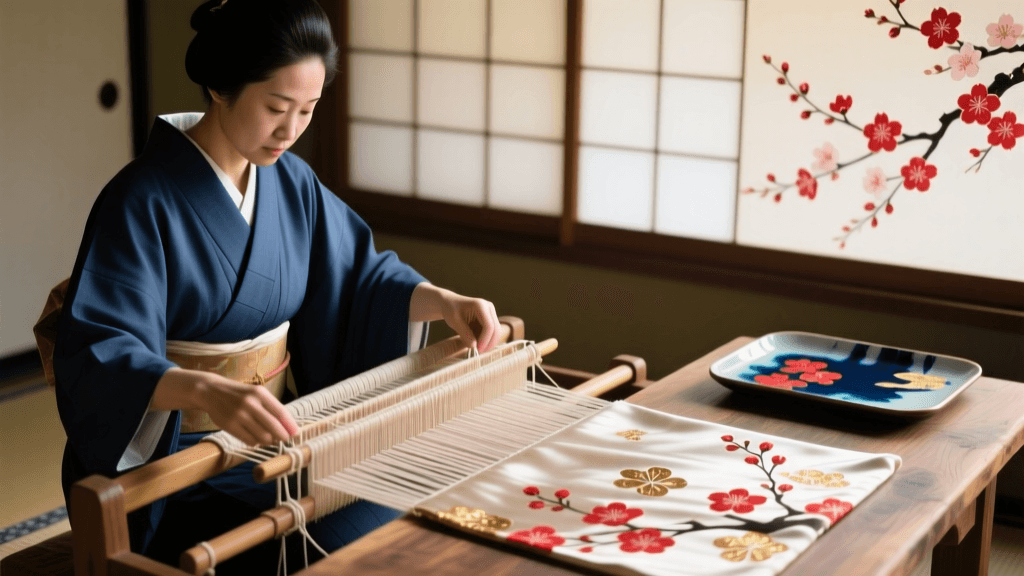
- The Textile Restorer: These creators bridge the gap between archaeology and fashion. By partnering with institutions like the China National Silk Museum, they document the painstaking process of restoring fragile historical garments. Their content focuses on educating consumers on why authentic hand-woven brocade commands premium pricing.
- The Dynastic Tailor: Moving beyond flat-pattern drafting, these journalists explore the structural engineering of traditional flat-cutting. They produce content analyzing the gusset placements and sleeve curvatures of Song Dynasty Beizi (long coats), providing open-source sewing patterns for the global DIY community.
- The Drama Wardrobe Auditor: A highly popular niche involves auditing the costumes of major historical television dramas. These creators frame-by-frame analyze popular shows, praising accurate depictions of Song-style Zhuzi collars while ruthlessly critiquing the use of anachronistic synthetic fabrics or incorrect dynasty-blending silhouettes.
Comparative Analysis: Content Formats in 2026
Understanding where to find specific types of traditional fashion journalism is crucial for researchers and enthusiasts. The table below breaks down the primary content formats across China's top platforms.
| Platform | Primary Content Format | Journalistic Depth | Best For... |
|---|---|---|---|
| Xiaohongshu | Photo carousels, short-form styling videos | Consumer-focused, trend analysis | Modern styling, brand reviews, shopping guides |
| Bilibili | Long-form video essays, 3D reconstructions | High, academic cross-referencing | Silhouette verification, historical context, tailoring |
| Long-form text, archival photo essays | Expert, peer-reviewed level | Textile chemistry, dyeing techniques, industry news |
Essential Vocabulary for Following Chinese Fashion Journalism
To effectively navigate these blogs and engage with creators, international enthusiasts must familiarize themselves with the specialized terminology used in 2026's traditional fashion discourse. Top journalists frequently use the following terms without translation:
- Zhuanghua (妆花): A complex, multi-colored weft-patterned brocade technique prominent in the Ming Dynasty. Journalists often audit brands to ensure their "Zhuanghua" is genuinely woven on traditional draw-looms rather than digitally printed.
- Kesi (缂丝): "Cut silk" tapestry weave. Because the weft threads do not span the entire width of the fabric, it creates a carved appearance. Content creators frequently do macro-lens photography to prove the authenticity of Kesi collars on high-end garments.
- Xiangyunsha (香云纱): Gambiered Canton gauze. A luxury silk dyed with yam juice and mud. Fashion bloggers frequently travel to Guangdong to document the sun-drying and mud-coating processes, verifying the ethical and traditional practices of the brands they promote.
- Mamianqun (马面裙): The horse-face skirt. Characterized by its flat front and back panels with pleated sides. It remains the most heavily reviewed garment in the Hanfu space, with journalists constantly debating the correct pleat density and waistband construction.
Sourcing & Verification: The Journalist’s Toolkit
The credibility of Chinese traditional fashion journalism relies heavily on primary sourcing. Top bloggers in 2026 no longer rely on secondary internet forums; they access digital archives and academic partnerships. Institutions such as Donghua University, renowned globally for its fashion and textile programs, frequently collaborate with digital creators to publish peer-reviewed research on ancient dyeing mordants and weave structures.
When verifying the authenticity of a commercial garment's silhouette, top journalists utilize a rigorous methodology:
- Artifact Cross-Referencing: Comparing brand releases against high-resolution scans of excavated garments from historical sites, such as the Ming Dynasty Dingling tomb or the Southern Song Dynasty Huang Sheng tomb.
- Literary Translation: Translating passages from the Tiangong Kaiwu (The Exploitation of the Works of Nature) to verify traditional loom setups used by modern artisans.
- Material Burn Testing: Conducting live-streamed fiber burn tests to verify if a brand's "100% mulberry silk" claim holds up against synthetic blends, a common practice among Bilibili's most trusted auditors.
Global Impact: Influencing International Runways
The influence of these Chinese fashion journalism blogs has transcended domestic borders. In 2026, international fashion students, textile conservators, and even European luxury house designers actively follow Xiaohongshu and Bilibili creators to bypass Eurocentric fashion history. By accessing primary Chinese sources directly through these digital journalists, global designers are learning the mechanics of traditional flat-pattern cutting, which eliminates fabric waste—a highly sought-after sustainable practice in modern global fashion.
The Business of Heritage: Monetization and Brand Partnerships
Fashion journalism in this niche is highly lucrative and deeply intertwined with the supply chain. In 2026, top creators do not rely on generic affiliate links. Instead, they engage in deep co-creation with heritage brands. A prominent blogger might spend six months researching the exact botanical dye recipe for a specific shade of Tang Dynasty pomegranate red, subsequently co-designing a limited-run capsule collection with a premier brand like Minghuatang or Shisanyu. This model ensures that the journalism directly funds the preservation of intangible cultural heritage, creating a sustainable loop between historical research, digital media, and commercial fashion.
Conclusion
The era of superficial costume blogging is over. In 2026, Chinese traditional fashion journalism represents a sophisticated, academically rigorous, and highly influential media sector. Whether you are a textile collector looking to verify a Kesi weave, a designer seeking sustainable flat-cutting techniques, or a historian tracking the evolution of the Mamianqun, the creators on Xiaohongshu, Bilibili, and WeChat are the definitive gatekeepers of Asian sartorial heritage. By engaging with these platforms, the global fashion community gains unprecedented access to the living, breathing history of Chinese textiles.