Hanfu in Kunqu & Peking Opera: 2026 Stage Costume Guide
The Intersection of Hanfu and Traditional Chinese Opera
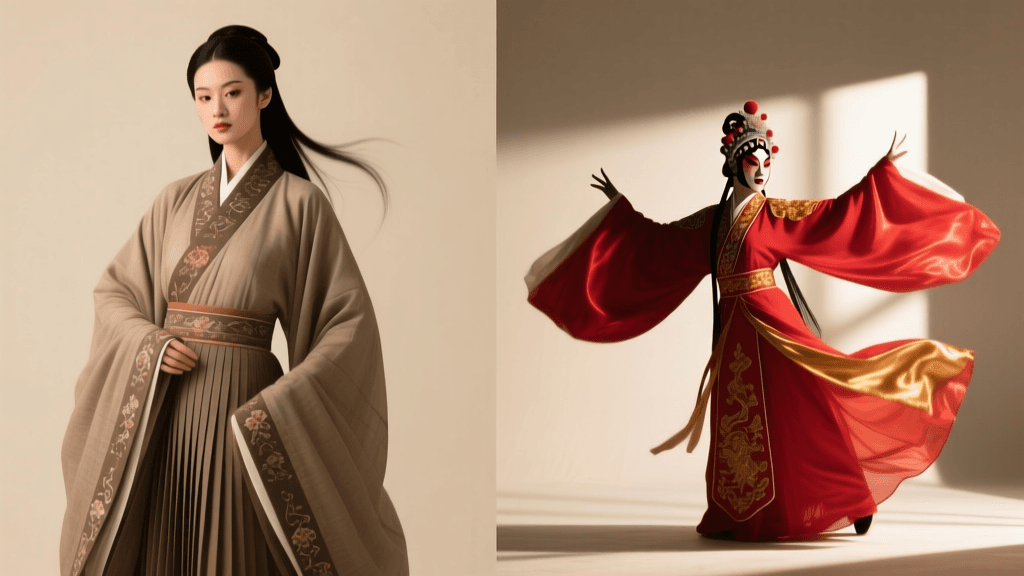
The relationship between historical Hanfu and traditional Chinese performing arts is a fascinating study of evolution, stylization, and cultural preservation. As we navigate the cultural landscape of 2026, the global revival of Hanfu has profoundly influenced how modern audiences and practitioners approach traditional stage garments, collectively known as Xifu. While everyday Hanfu enthusiasts strive for strict historical accuracy based on archaeological findings, traditional opera costumes prioritize theatricality, movement, and symbolic storytelling. Understanding the nuances between historical Ming Dynasty Hanfu, Kunqu Opera costumes, and Peking Opera (Jingju) attire is essential for collectors, performers, and cultural educators in 2026.
Kunqu Opera: The Living Museum of Ming Dynasty Aesthetics
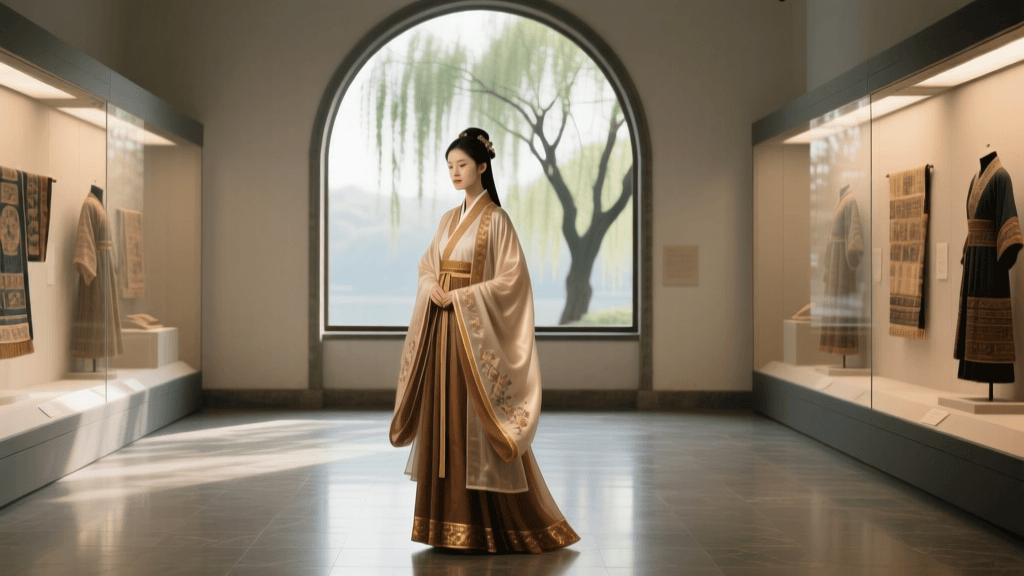
Kunqu Opera, originating in the Kunshan region during the Ming Dynasty, is widely considered the ancestor of modern Chinese opera. Because Kunqu solidified its artistic form during the Ming era (1368–1644), its stage costumes are deeply rooted in the historical Hanfu of that period. According to the UNESCO Intangible Cultural Heritage registry, Kunqu is celebrated not just for its melodic vocal styles, but for its elegant, refined visual aesthetics.
In 2026, Kunqu costumes remain remarkably close to historical Ming Hanfu silhouettes, particularly in the use of the Shuixiu (water sleeves) and the Pi Ling (pheasant tail feathers) for martial scholars. However, stage adaptations exist. A historical Ming Daopao (Taoist robe) or Yisan (equestrian robe) features structured, grounded hems suited for courtly life. In contrast, a Kunqu stage robe is tailored with wider armholes, elongated water sleeves (often extending 50 to 70 centimeters past the wrist), and lighter silk linings to facilitate the fluid, dance-like movements required by the art form. The embroidery on Kunqu garments, predominantly utilizing Suzhou embroidery (Su Xiu), favors subtle, poetic motifs like plum blossoms, cranes, and flowing clouds, reflecting the literati origins of the opera.
Peking Opera (Jingju): The Stylized Evolution
While Kunqu clings to Ming elegance, Peking Opera represents a highly stylized amalgamation of various regional theaters and Qing Dynasty influences. As detailed in Britannica's comprehensive guide to Peking Opera, Jingju costumes are designed for maximum visual impact from a distance, utilizing bold colors, exaggerated silhouettes, and heavy ornamentation to denote character archetypes rather than historical accuracy.
Peking Opera costumes incorporate significant Manchu and Qing dynasty elements, blended with imaginative theatrical inventions. The iconic Kao (armor) worn by martial generals, featuring four triangular flags strapped to the back, has no direct equivalent in historical Hanfu or authentic military armor. Similarly, the Mang (python robe) used in Peking Opera features a highly rigid, trapezoidal cut with stiffened cuffs, differing vastly from the soft, draped round-collar robes of the Ming and Song dynasties. For Hanfu purists in 2026, Peking Opera costumes are viewed as magnificent theatrical art pieces rather than historical replicas, though they remain vital to the broader tapestry of Chinese sartorial heritage.
Comparative Analysis: Historical Hanfu vs. Stage Costumes
To help collectors and performers distinguish between these garment types, the following table outlines the primary structural and functional differences observed in the 2026 market.
| Feature | Ming Dynasty Hanfu (Historical) | Kunqu Opera Costumes | Peking Opera (Jingju) Costumes |
|---|---|---|---|
| Silhouette & Cut | Natural drape, structured collars, historically accurate proportions. | Flowing, wider armholes, elongated hems for dance mobility. | Exaggerated, rigid, padded shoulders, trapezoidal shapes. |
| Sleeves | Standard Pipa sleeves or historical wide sleeves. | Signature white silk Shuixiu (water sleeves) attached to cuffs. | Stiffened cuffs, water sleeves used selectively by specific roles. |
| Embroidery | Auspicious motifs, rank badges (Buzi), woven brocades. | Delicate Su embroidery, poetic motifs, soft metallic threads. | Bold, high-contrast Peking knots, heavy goldwork, dragon motifs. |
| Primary Use in 2026 | Cultural festivals, daily wear, historical reenactment. | Professional stage performance, academic preservation. | Theatrical performance, cinematic stylized productions. |
2026 Sourcing Guide: Stage Wear vs. Hanfu Revival Replicas
Sourcing authentic garments in 2026 requires navigating a highly specialized market. The surge in digital archiving and 3D weaving technology has allowed Suzhou and Hangzhou workshops to recreate museum-grade textiles, but the distinction between stage wear and Hanfu replicas remains strict.
- For Historical Ming Hanfu Replicas: Enthusiasts should seek out specialized Hanfu boutiques on platforms like Taobao and Xiaohongshu that partner with the China National Silk Museum. In 2026, a high-quality, historically accurate Ming Mamianqun (horse-face skirt) woven with genuine gold-wrapped thread (Panjin) costs between 2,500 and 6,000 RMB. Look for sellers who provide archaeological sourcing citations for their patterns.
- For Kunqu Stage Costumes: Authentic Kunqu garments are typically bespoke, ordered directly from heritage workshops in Suzhou's Xiangcheng District. A full set of Kunqu stage wear, including the inner garments, outer robe, and hand-embroidered accessories, ranges from 15,000 to 40,000 RMB in 2026, depending on the density of the Su embroidery. Lead times often exceed six months due to the hand-stitched nature of the water sleeves and collars.
- For Peking Opera Attire: Jingju costumes are heavily standardized by role type (Sheng, Dan, Jing, Chou). Professional theaters source from state-affiliated costume factories in Beijing and Shanghai. Amateur troupes can purchase machine-embroidered alternatives starting at 3,000 RMB, though these lack the structural padding and weight distribution required for professional acrobatic performances.
Eco-Friendly Dyeing in 2026 Opera Costumes
A major trend in 2026 is the integration of natural, eco-friendly dyeing methods into traditional garment production. Historically, Chinese opera costumes utilized vibrant, sometimes toxic, mineral and synthetic dyes to ensure visibility under dim gas or early electric lighting. Today, with advanced LED stage lighting and a global push for sustainability, premier Kunqu workshops have returned to botanical dyes.
Artisans are utilizing madder root for deep crimsons, pagoda tree buds for imperial yellows, and fermented indigo for scholarly blues. These plant-based dyes not only reduce the environmental impact of silk production but also yield a softer, more luminous color palette that perfectly complements the refined aesthetic of Kunqu Opera. Furthermore, these natural dyes are less corrosive to the delicate silk fibers and metallic embroidery threads, significantly extending the lifespan of the garments.
Caring for Silk Stage Garments and Hanfu
Maintaining traditional silk garments, whether historical Hanfu or theatrical Xifu, requires meticulous care. The heavy embroidery and metallic threads used in 2026 stage wear are highly susceptible to tarnishing and structural damage if cleaned improperly.
- Cleaning: Never machine wash or dry clean heavily embroidered opera costumes. The chemicals in standard dry cleaning will strip the natural sericin from the silk and dissolve the adhesives used in metallic thread couching. Spot clean with a pH-neutral silk detergent and cold distilled water. For full historical Hanfu replicas without metallic threads, gentle hand washing in cold water is acceptable.
- Drying: Never wring out water sleeves or silk robes. Roll the garment in a clean, dry microfiber towel to absorb excess moisture, then lay it flat on a drying rack away from direct sunlight. UV exposure will rapidly fade both botanical and synthetic dyes.
- Storage: In 2026, archival-grade storage is more accessible than ever. Store heavy Mang robes and Peking Opera armor flat in acid-free tissue paper. Hanging heavy theatrical garments for long periods will cause the silk warp threads to stretch and tear under the weight of the embroidery. For everyday Hanfu, use padded, wide-shoulder wooden hangers to maintain the collar structure.
- Water Sleeve Maintenance: The white silk of Kunqu water sleeves absorbs stage makeup and sweat rapidly. Performers must detach the sleeves (if designed with hidden snap fasteners) or carefully shield them during makeup application. Ironing must be done on the lowest silk setting, using a pressing cloth to prevent scorching the delicate white silk.
Conclusion
The dialogue between historical Hanfu and traditional performing arts continues to enrich China's cultural landscape in 2026. While Kunqu Opera preserves the poetic elegance of Ming Dynasty silhouettes, Peking Opera showcases the bold, imaginative evolution of theatrical storytelling. Whether you are a Hanfu collector seeking museum-grade Ming replicas, a performer investing in bespoke Kunqu stage wear, or an educator teaching the semiotics of Chinese costume, understanding these distinctions ensures the preservation and appreciation of these magnificent textile traditions for generations to come.