Eri Silk Fabric Guide For Traditional Mekhela Chador In 2026
The Rise of Ethical Eri Silk in 2026
In the landscape of Asian traditional garments, few textiles carry the profound cultural and ethical weight of Eri silk. Often referred to as 'Ahimsa' or peace silk, Eri silk is produced without harming the silkworm, making it a cornerstone of sustainable luxury in 2026. As global and regional fashion consumers become increasingly conscious of ethical sourcing, Eri silk has transitioned from a regional winter staple in Northeast India to a highly sought-after fabric for premium traditional wear across South Asia. This guide explores the intricate world of Eri silk, specifically focusing on its application in the elegant Mekhela Chador, the traditional attire of Assamese women, and how to navigate the 2026 market for authentic weaves.
Understanding the Mekhela Chador
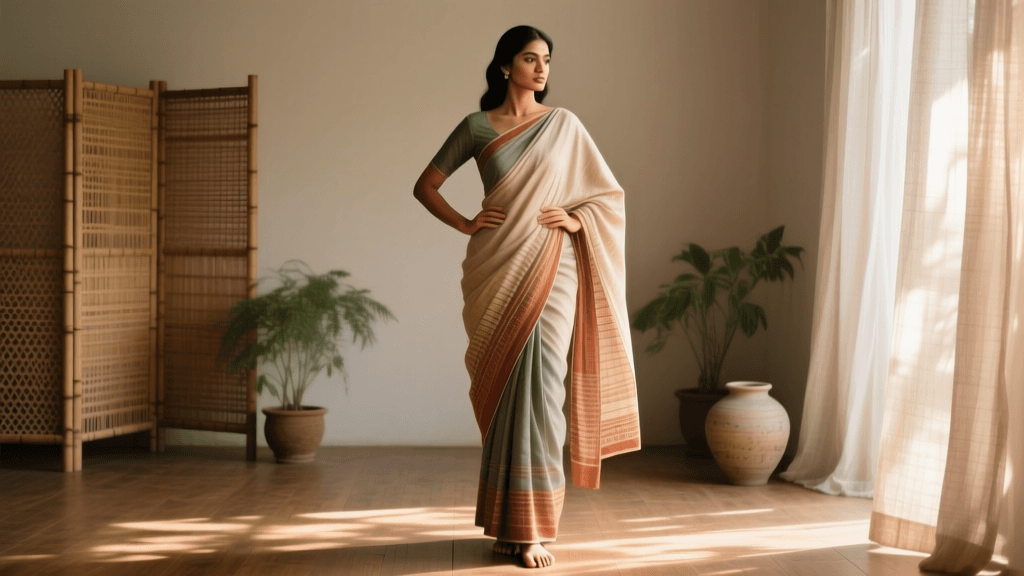
The Mekhela Chador is a stunning two-piece garment indigenous to Assam. The mekhela is a cylindrical skirt worn from the waist downwards, featuring deep, structured pleats. The chador is a long cloth draped over the upper body, typically tucked into the mekhela at the waist and thrown over the shoulder. A third piece, the riha, is sometimes worn underneath the chador for formal and ceremonial occasions. While Muga and Mulberry silks are traditionally favored for summer weddings, Eri silk's unique thermal properties and rich, matte texture make it the undisputed queen of winter weddings, festive Bihu celebrations, and sophisticated evening wear in 2026.
Textile Properties: Why Choose Eri Silk?
Unlike Mulberry silk, which is reeled from a continuous filament after the moth is boiled, Eri silk is spun from the open-ended cocoons of the Samia ricini moth after it naturally emerges. This spinning process gives Eri silk a texture that closely resembles wool or raw cotton, yet it retains the luxurious drape of silk. According to the Food and Agriculture Organization's sericulture guidelines, non-violent silk production methods like Eri sericulture are vital for maintaining biodiversity and supporting rural micro-economies without the environmental toll of synthetic alternatives.
Eri silk is highly breathable, moisture-wicking, and possesses natural thermal regulating properties. It keeps the wearer warm in the winter and cool in the summer, a rarity among luxury textiles. Furthermore, its matte finish provides an understated, elegant sheen that appeals to modern minimalist aesthetics while honoring centuries-old weaving traditions.
Comparison Chart: Eri vs. Muga vs. Mulberry Silk (2026 Market)
| Feature | Eri Silk (Ahimsa) | Muga Silk | Mulberry Silk |
|---|---|---|---|
| Texture & Feel | Wool-like, soft, matte finish | Smooth, crisp, highly glossy | Ultra-smooth, fluid, bright sheen |
| Thermal Regulation | Excellent (warm in winter, cool in summer) | Moderate (best for mild climates) | Low (can feel clammy in high heat) |
| 2026 Avg. Price (per meter) | ₹1,200 - ₹3,500 ($14 - $42 USD) | ₹8,000 - ₹15,000 ($95 - $180 USD) | ₹800 - ₹2,000 ($9 - $24 USD) |
| Durability & Care | Highly durable, becomes softer with wash | Very durable, requires strict dry-cleaning | Delicate, prone to water spotting |
| Ethical Status | 100% Ahimsa (Peace Silk) | Traditional reeled silk | Traditional reeled silk |
2026 Pricing and Market Trends
The market for authentic handloom Eri silk has seen significant maturation in 2026. Due to the labor-intensive nature of hand-spinning and the rising demand for sustainable textiles, prices have stabilized at a premium tier. A complete, authentic handloom Eri silk Mekhela Chador set, featuring traditional jacquard motifs, currently ranges from ₹8,500 to ₹25,000 ($100 to $300 USD) depending on the complexity of the zari (metallic thread) work and the natural dyes used. The National Handloom Development Programme has been instrumental in 2026 in providing direct-to-consumer digital platforms for weavers, ensuring that a larger percentage of the profit margin goes directly to the artisan communities in Sualkuchi and surrounding villages.
Identifying Authentic Handloom Eri Silk
With the surge in popularity of Ahimsa silk, the market has unfortunately seen an influx of machine-made polyester blends masquerading as handloom Eri. When shopping in 2026, buyers must look for specific markers of authenticity:
- The Silk Mark: Issued by the Silk Mark Organisation of India, this label guarantees that the fabric is 100% natural silk. You can verify the QR code on the tag using your smartphone.
- The Handloom Mark: This certification ensures the fabric was woven on a manual loom, supporting the livelihood of traditional weavers.
- Geographical Indication (GI) Tag: Authentic Assam Eri silk carries a GI tag, legally protecting its origin and traditional manufacturing process.
- The Burn Test: If you have a loose thread, burning authentic Eri silk will smell like burning hair and leave a crushable black ash, whereas synthetic blends will melt into a hard plastic bead and smell like chemicals.
Natural Dyeing Innovations and Traditional Motifs
A major trend defining the 2026 Eri silk market is the revival of indigenous natural dyeing techniques. Artisans in Assam are increasingly moving away from heavy metal chemical dyes, opting instead for organic alternatives that highlight the earthy undertones of the silk. Common natural dyes include lac insects for deep reds and purples, turmeric and jackfruit wood for vibrant yellows, and indigo or tea leaves for rich blues and browns. As noted in historical textile records on Britannica's sericulture overview, the integration of local flora into sericulture has been a hallmark of Asian textile heritage for centuries, and 2026 has seen this heritage fully integrated into modern eco-fashion standards.
The motifs woven into the borders and pallu (the decorative end of the chador) are deeply symbolic. Look for the Jaapi (traditional Assamese conical hat), Miri (intricate geometric patterns inspired by local tribes), and the Magoh (a stylized floral design). In 2026, contemporary weavers are also blending these traditional motifs with minimalist, wide-grid borders to appeal to younger demographics seeking a fusion of heritage and modern chic.
Care and Maintenance Guide
Eri silk is remarkably resilient, but proper care is essential to maintain its structural integrity and natural luster over decades.
- Washing: For the first two washes, dry cleaning is highly recommended to set the natural dyes. Thereafter, gentle hand washing in cold water using a pH-neutral liquid detergent or baby shampoo is ideal. Never wring or twist the fabric; instead, roll it in a clean cotton towel to absorb excess moisture.
- Drying: Always dry Eri silk in the shade. Direct sunlight will degrade the natural protein fibers and cause the organic dyes to fade prematurely.
- Ironing: Iron the garment on the reverse side using a low-to-medium heat setting. Place a damp cotton cloth between the iron and the silk to prevent scorching and to preserve the matte texture.
- Storage: Store your Mekhela Chador in a breathable muslin or cotton bag. Avoid plastic covers, which trap moisture and cause yellowing. Instead of chemical naphthalene balls, use natural cedar blocks or dried lavender sachets to repel insects without damaging the delicate fibers.
Styling the Eri Silk Mekhela Chador in 2026
Styling the Eri silk Mekhela Chador offers immense versatility. Because of its matte finish and earthy color palette, it pairs beautifully with oxidized silver jewelry, matte gold jhumkas, and handcrafted terracotta accessories. For a contemporary 2026 bridal or festive look, many women are pairing the traditional Eri silk mekhela with a structured, velvet blazer or a heavily embroidered organza blouse, creating a striking contrast in textures.
Footwear has also evolved; while traditional leather juttis remain popular, modern styling often incorporates block-heeled sandals or even sleek, minimalist sneakers for day-long festival comfort. The chador can be draped in the traditional Assamese style or pinned in a modern Gujarati/Nivi style drape for a pan-Indian fusion look.
Conclusion
The Eri silk Mekhela Chador is more than just a garment; it is a testament to the harmonious relationship between nature, ethical practices, and human artistry. As we navigate the fashion landscape of 2026, choosing Eri silk means investing in a textile that respects the environment, empowers rural artisans, and offers unparalleled comfort and elegance. Whether you are attending a winter wedding, celebrating a cultural festival, or simply curating a sustainable luxury wardrobe, authentic Eri silk remains a timeless, responsible, and breathtaking choice.