Top Chinese Fashion Creators Reviving Hanfu & Mamianqun 2026
The New Era of Chinese Fashion Journalism in 2026
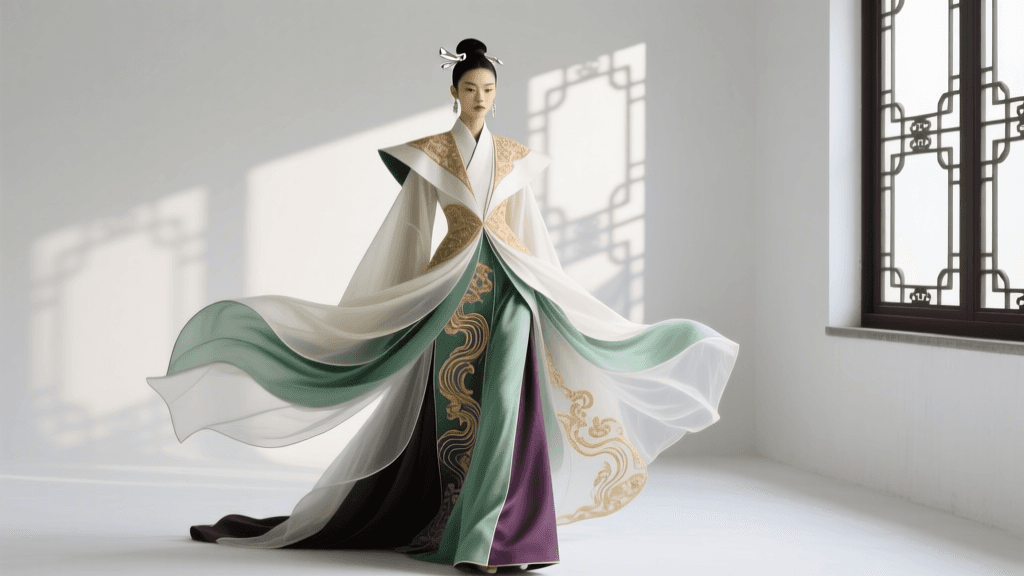
The landscape of Asian fashion journalism has undergone a seismic shift over the last few years, culminating in the highly sophisticated digital ecosystem we see in 2026. Traditional print magazines and legacy fashion houses have increasingly ceded the narrative to a new generation of Chinese fashion creators, digital journalists, and Key Opinion Leaders (KOLs). These digital pioneers are not merely influencers; they are meticulous archivists, cultural translators, and trend forecasters who are redefining how traditional garments like Hanfu and the Mamianqun (horse-face skirt) are consumed globally.
According to insights tracked by Jing Daily Fashion Insights, the "Guochao" (national trend) movement has matured from a niche subculture into a multi-billion-dollar mainstream industry. In 2026, digital journalism on platforms like Xiaohongshu (RED), Douyin, and Bilibili focuses heavily on historical accuracy, sustainable textile production, and the seamless integration of traditional silhouettes into modern, cosmopolitan wardrobes. For global fashion enthusiasts and industry professionals, understanding the mechanics of these Chinese fashion blogs and content creators is essential to grasping the future of Asian traditional garments.
Platform Breakdown: Where Traditional Fashion Thrives
To follow the most authoritative voices in Chinese traditional fashion, one must understand the unique algorithmic and cultural nuances of the platforms they inhabit. Each platform serves a distinct purpose in the fashion journalism ecosystem.
| Platform | Primary Content Format | Target Demographic | Best For Traditional Fashion |
|---|---|---|---|
| Xiaohongshu (RED) | High-res photo carousels, short styling vlogs | Urban women 18-35, high purchasing power | Daily styling guides, brand reviews, boutique sourcing |
| Douyin | Short-form video, live-stream commerce | Mass market, Gen Z and Millennials | Visual transformations, bespoke tailoring live-sales |
| Bilibili | Long-form video essays, documentaries | Students, history enthusiasts, subculture fans | Deep-dive historical analysis, textile weaving techniques |
| Micro-blogging, news threads, image galleries | Industry insiders, celebrities, journalists | Fashion week coverage, brand announcements, cultural debates |
The Three Pillars of Traditional Fashion Content Creation
When analyzing the top-tier Chinese fashion journalists and creators operating today, their content generally falls into three distinct pillars. Recognizing these archetypes helps readers curate their feeds for maximum educational and stylistic value.
1. The Historical Purists and Archivists
These creators operate primarily on Bilibili and Xiaohongshu, functioning as digital historians. They dissect ancient murals, tomb artifacts, and imperial wardrobes to reconstruct accurate patterns for Song-style attire and Ming-dynasty outerwear. In 2026, the most respected purists are those who collaborate directly with museum curators and university textile departments. They frequently publish exhaustive guides on the correct warp-and-weft density of historical brocades, effectively holding commercial brands accountable for historical inaccuracies. Their content is vital for anyone looking to invest in museum-grade reproduction garments.
2. The Modern Fusion Stylists
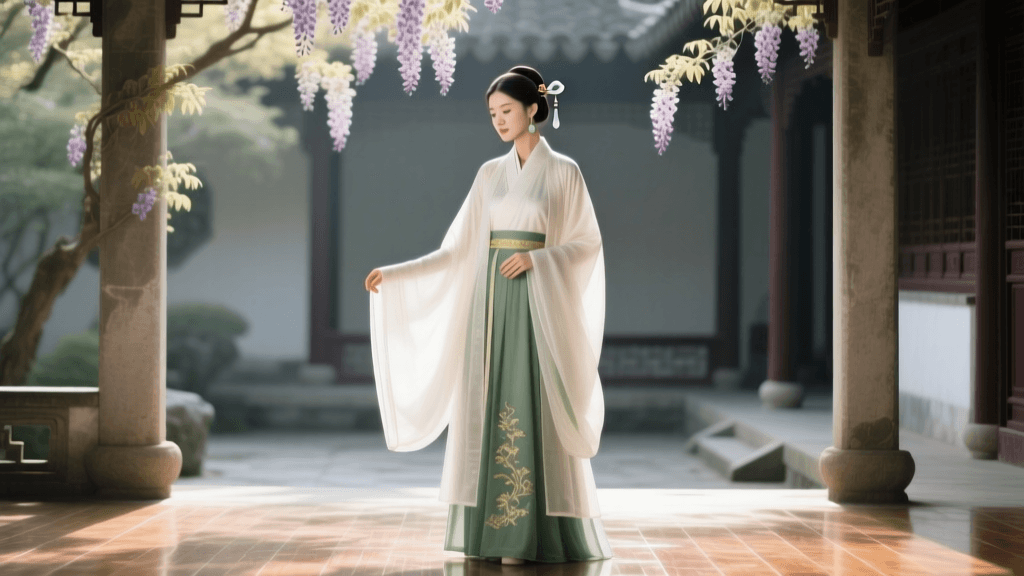
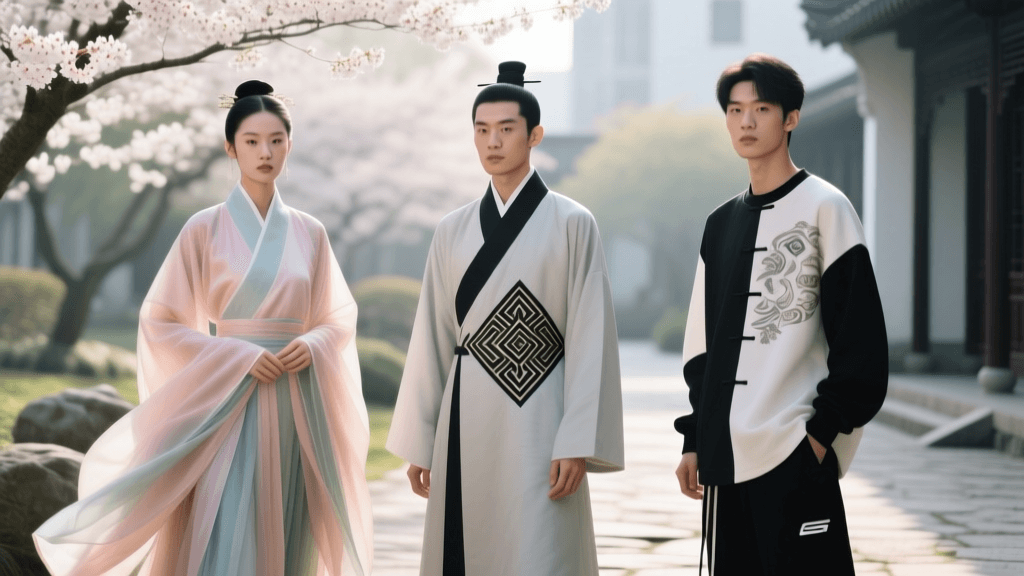
Bridging the gap between antiquity and the modern metropolis, these KOLs specialize in styling traditional pieces for contemporary life. The Mamianqun is their canvas. As reported by the South China Morning Post's Fashion & Beauty section, the modern Mamianqun has become a staple in the corporate and street-style wardrobes of Shanghai and Beijing. Fusion stylists demonstrate how to pair a heavy silk horse-face skirt with a tailored cashmere turtleneck, a cropped leather jacket, or minimalist leather loafers. They provide actionable advice on garment care, pleat maintenance, and navigating public transit while wearing voluminous traditional skirts.
3. The Eco-Advocates and Artisan Champions
A rapidly growing segment of Chinese fashion journalism focuses on the environmental and ethical impact of garment production. These creators travel to rural provinces like Guizhou and Yunnan to document the dying arts of natural dyeing and hand-loom weaving. They champion the use of indigo, madder root, and lotus silk, highlighting brands that prioritize eco-friendly methods over mass-produced synthetic alternatives. Their investigative pieces often expose greenwashing within the heritage fashion sector, demanding transparency in the supply chains of major Guochao brands.
Actionable Guide: Sourcing and Styling the Mamianqun in 2026
Drawing from the consensus of top Xiaohongshu styling blogs this year, here is a practical, actionable guide to sourcing, sizing, and styling the Mamianqun for a modern wardrobe.
Sizing and Measurements
Unlike Western wrap skirts, a traditional Mamianqun requires precise measurements to ensure the front and back panels (the "horse faces") lay flat and the pleats remain structured.
- Waist Measurement: Measure your natural waist. When ordering bespoke or commercial pieces, add 2 to 4 centimeters to your exact measurement to allow for the overlapping inner flap, ensuring modesty and structural integrity.
- Length: The 2026 trend favors a floor-grazing length. Measure from your navel down to exactly 2 centimeters above the floor (when wearing your preferred shoes). This prevents the hem from dragging while maintaining the elegant, elongating vertical line.
- Pleat Count: For a slimmer silhouette, opt for 12 to 16 pleats per side. For a more dramatic, voluminous look suitable for formal ceremonies, seek out 24-pleat constructions.
Fabric Selection for Modern Climates
While historical accuracy favors pure mulberry silk or heavy linens, modern creators recommend adapting fabrics for extreme climates and daily wear.
- Heavy Crepe de Chine (22-30 momme): The gold standard for luxury Mamianqun. It drapes beautifully, resists wrinkling, and holds sharp pleats. Expect to pay between $120 and $250 USD for authentic, high-momme silk pieces from reputable Taobao or RED-linked boutiques.
- Tencel-Silk Blends: Championed by eco-conscious bloggers, these blends offer the sheen of silk with the breathability and durability of plant-based cellulose fibers. Ideal for humid summers and frequent travel. Prices typically range from $60 to $110 USD.
- Woven Jacquard Synthetics: While purists avoid them, high-end polyester jacquards are heavily featured in Douyin live-streams for their intricate, metallic-woven patterns and affordable price points ($30 to $50 USD). However, they lack breathability and are best reserved for winter layering or brief outdoor photo shoots.
The Push for Eco-Friendly Dyes and Ethical Production
One of the most significant contributions of Chinese fashion bloggers in 2026 is their relentless advocacy for sustainable, traditional dyeing methods. The Hanfu Movement has evolved from merely reviving silhouettes to reviving the entire ecosystem of ancient textile arts. Digital journalists are currently highlighting artisans who use plant-based dyes, which not only reduce the toxic runoff associated with synthetic azo dyes but also yield colors that age beautifully over time.
Creators are educating their audiences on the visual markers of natural dyes. For instance, true indigo dye will exhibit a slight, organic unevenness and a distinct earthy scent, whereas synthetic indigo appears flat and overly uniform. By promoting "slow fashion" and artisan collaborations, these bloggers are shifting consumer spending away from fast-fashion Guochao knockoffs and toward heritage workshops that sustain rural economies. This journalistic rigor ensures that the revival of Asian traditions remains culturally respectful and environmentally viable for future generations.
Conclusion: Engaging with the Digital Curators
The influence of Chinese fashion journalism blogs and content creators extends far beyond mere aesthetics; they are the gatekeepers and innovators of Asian sartorial heritage in the digital age. Whether you are a global fashion buyer looking to understand the next major silhouette trend, a historian seeking digital archives, or a consumer wanting to ethically source a Mamianqun, these platforms offer unparalleled insights. By following the purists, the fusion stylists, and the eco-advocates on Xiaohongshu and Bilibili, you gain a front-row seat to the living, breathing evolution of traditional Chinese garments in 2026 and beyond.