Hanfu on Global Runways: 2026 Haute Couture Trends
The 2026 Runway Awakening: From Heritage to Haute Couture
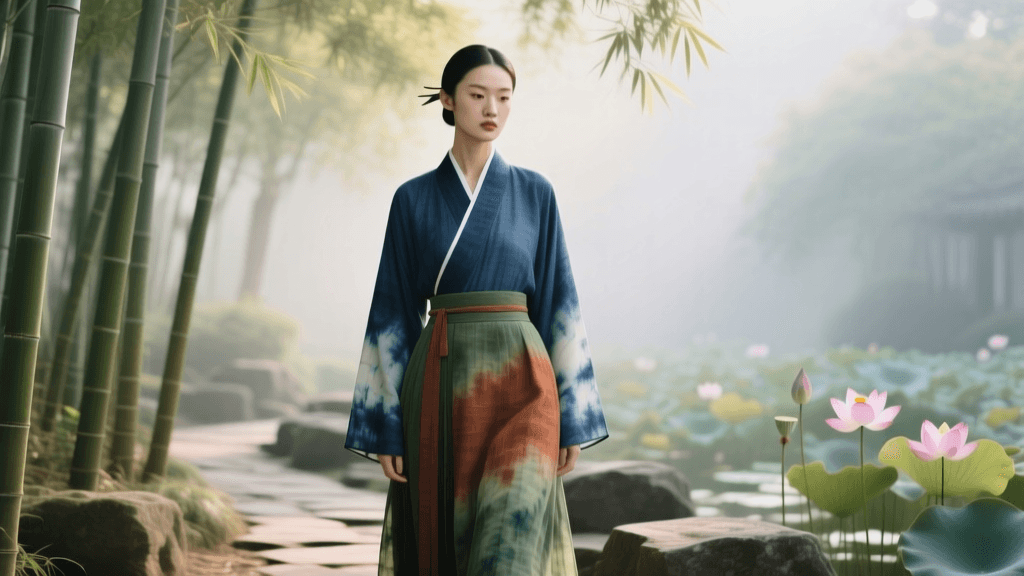
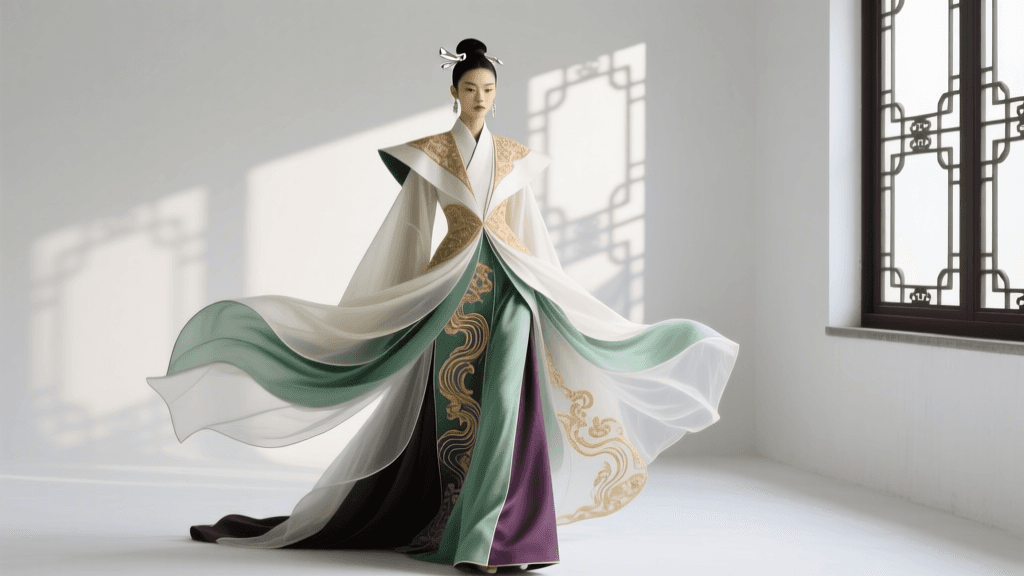
As the global fashion calendar unfolds for the Spring/Summer and Fall/Winter 2026 seasons, a profound shift is occurring on the world's most prestigious runways. Hanfu, the traditional dress of the Han Chinese, has transcended its roots as a niche historical subculture to become a dominant force in international haute couture. From the grand pavilions of Paris Fashion Week to the avant-garde showrooms of Milan, top-tier designers are no longer merely referencing Asian aesthetics; they are deconstructing, reconstructing, and elevating authentic Hanfu silhouettes into modern luxury masterpieces. This integration marks a pivotal moment in global fashion, where centuries-old garment engineering meets contemporary sartorial innovation.
The Mamianqun: High Fashion's Favorite Silhouette
At the heart of the 2026 runway revolution is the Mamianqun, or horse-face skirt. Characterized by its flat front and back panels flanked by intricate, structured pleats, the Mamianqun offers a masterclass in kinetic volume. On the runways this year, we are seeing this Ming Dynasty staple reimagined through the lens of modern architectural tailoring. Designers are utilizing heavy, structured silks and metallic jacquards to ensure the pleats hold their shape dramatically as models walk, creating a sweeping, sculptural effect that captivates the camera.
Unlike the softer, flowing skirts of the Tang Dynasty, the Mamianqun provides a structured canvas that pairs exceptionally well with contemporary high-fashion elements. In recent 2026 collections, global styling teams have been pairing traditional Mamianqun with sharply tailored, oversized wool blazers, structured leather corsetry, and avant-garde asymmetrical bodices. This juxtaposition of historical volume and modern restriction creates a powerful, commanding silhouette that has become a favorite among international fashion editors and celebrity stylists alike.
Textile Mastery: Xiangyunsha and Song Brocade
The luxury fashion sector's 2026 obsession with sustainability and eco-conscious materials has brought traditional Hanfu textile techniques into the global spotlight. Chief among these is Xiangyunsha, also known as Gambiered Canton Gauze. This extraordinary fabric is dyed using the tannin-rich juice of the Dioscorea cirrhosa plant and sealed with iron-rich river mud, resulting in a dark, lustrous textile that is naturally water-resistant, breathable, and entirely biodegradable. According to the Victoria and Albert Museum's extensive Chinese textile archives, the complex, multi-step dyeing process of such heritage fabrics represents a pinnacle of pre-industrial chemical engineering, a fact that modern eco-luxury houses are now proudly highlighting in their show notes.
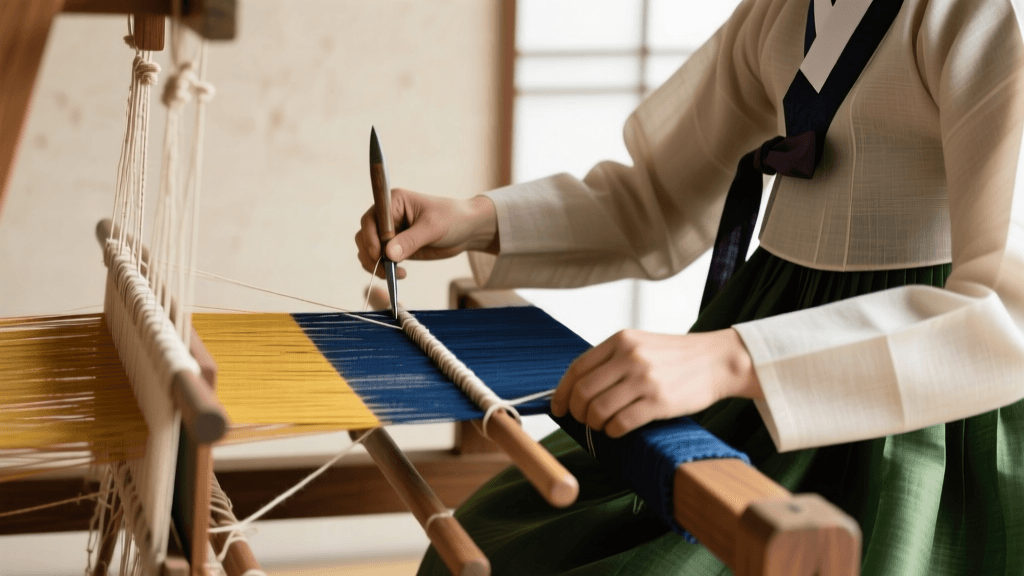
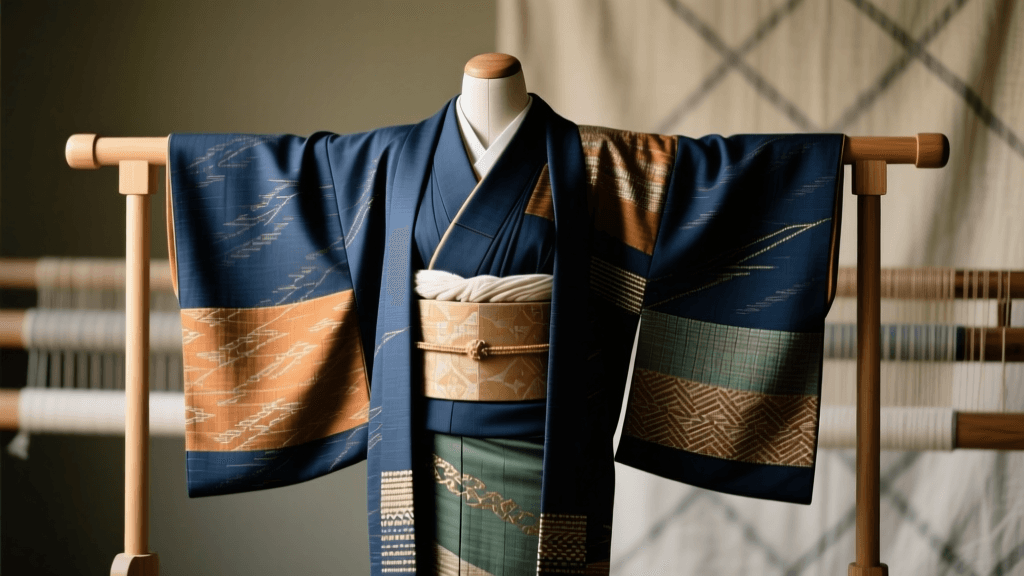
Equally prominent on the 2026 catwalks is Song Brocade (Songjin). Known for its intricate, multi-layered weaving techniques and subtle, elegant patterns, Song Brocade is being utilized by couture houses to craft structured bodices and eveningwear jackets. Its inherent stiffness and rich texture make it an ideal medium for garments that require internal boning and dramatic, gravity-defying shapes without the need for synthetic interfacing.
Traditional vs. 2026 Runway-Adapted Hanfu
To understand how global fashion houses are adapting these garments, it is essential to compare traditional historical specifications with the modifications seen on the 2026 runways.
| Feature | Traditional Historical Hanfu | 2026 Runway Adaptation |
|---|---|---|
| Silhouette & Fit | Flat cutting, generous ease, cross-collars tied with internal sashes, designed for layered modesty. | Darted bodices, hidden zippers for quick runway changes, corsetry integrated into Ruqun (jacket) tops. |
| Skirt Length | Ankle-grazing, typically allowing for flat cloth shoes or modest wooden clogs. | Floor-sweeping (108cm - 115cm), specifically measured to drape perfectly over 10cm stiletto heels. |
| Sleeve Construction | Daxiushan (large sleeves) are exceptionally wide and long, often covering the hands entirely. | Sleeves are tapered at the wrist or feature dramatic, structured cuffs to prevent interference with modern accessories. |
| Closure Systems | Woven ties and fabric knots (pankou) used exclusively for all fastenings. | Magnetic closures, hidden hooks, and reinforced structural knot-work for rapid styling and secure fits. |
Key Designers Bridging Heritage and the Avant-Garde
Several visionary designers are leading the charge in bringing authentic Hanfu construction to the global stage. Guo Pei continues to set the standard for historical opulence, utilizing imperial-grade embroidery and gold-woven threads to create Hanfu-inspired gowns that function as wearable art. Meanwhile, labels like Uma Wang are taking a more subdued, textile-focused approach, utilizing the draping techniques inherent in Song Dynasty Beizi (long jackets) to create fluid, melancholic, and deeply intellectual collections that resonate with the European avant-garde.
Furthermore, dedicated heritage Hanfu brands such as Minghuatang have caught the attention of international luxury buyers. Originally focused on meticulous museum-grade reproductions, their recent forays into premium, runway-ready capsule collections feature authentic Ming-style garments crafted from exclusive, custom-woven silks that rival the output of historic European ateliers. Institutions like the Kyoto Costume Institute have long documented the profound influence of historical Asian dress on global silhouettes, and the 2026 season proves that this influence is no longer just historical—it is actively shaping the future of luxury.
How to Curate a Runway-Inspired Hanfu Wardrobe in 2026
For enthusiasts and collectors looking to incorporate these high-fashion Hanfu trends into their personal wardrobes, a strategic approach to sourcing and styling is essential. Here is actionable advice for building a couture-level Hanfu collection this year:
1. Precision Measurements for Modern Styling
Runway styling relies heavily on precise proportions. If you are commissioning a custom Mamianqun to wear with modern heels, do not use standard historical measurements. Calculate your desired skirt length by measuring from your natural waist to the floor while wearing your intended footwear, then subtract 1.5 inches to ensure the hem glides just above the ground. For the waistband, request a 6cm to 8cm stiffened silk organza interlining; this prevents the heavy brocade from buckling and ensures a smooth, corseted silhouette that mirrors runway presentations.
2. Investment Pricing and Sourcing
Authentic, high-end Hanfu crafted from genuine mulberry silk and artisanal jacquard weaves is an investment. In 2026, expect to pay between $600 and $1,500 USD for a premium, authentic Mamianqun from top-tier heritage studios. For complete, multi-layered ceremonial sets featuring genuine Xiangyunsha or intricate hand-embroidery, prices frequently exceed $3,500 USD. When sourcing, prioritize studios that provide detailed macro-photography of the weave structure and offer transparency regarding their silk origins and dyeing processes.
3. Contemporary Accessory Pairings
To achieve the 2026 runway aesthetic, avoid theatrical, mass-market plastic hair accessories. Instead, opt for minimalist, architectural hairpins crafted from matte titanium, brushed brass, or carved jade. The current high-fashion consensus favors sleek, modern hair styling—such as a sharp, wet-look bob or a tightly sculpted low chignon—allowing the ornate silk garments to remain the undisputed focal point of the ensemble.
Preserving Couture Hanfu: Archival Care
Owning runway-quality Hanfu requires a commitment to archival preservation. The natural dyes used in premium garments, particularly the iron-rich muds of Xiangyunsha and the botanical indigos of the south, are sensitive to prolonged UV exposure. Always store your silk garments in breathable, unbleached cotton garment bags in a climate-controlled environment. According to conservation guidelines outlined by the Metropolitan Museum of Art's historical dress archives, silk proteins degrade rapidly under tension; therefore, never hang heavy, pleated Mamianqun by their waistbands for long periods. Instead, fold them meticulously along their original pleat lines using acid-free tissue paper to buffer the folds, and store them flat in archival drawers to maintain the structural integrity of the weave for decades to come.
Conclusion
The presence of Hanfu on the 2026 global runways is not a fleeting trend; it is a profound recognition of the sophistication, engineering, and artistic merit of traditional Chinese garment-making. By marrying ancient textile techniques with modern haute couture sensibilities, the fashion world is ensuring that these magnificent silhouettes continue to evolve, inspire, and command respect on the world's most visible stages.