Top Chinese Fashion Creators Shaping Eco-Dye Hanfu Trends 2026
The Evolution of Chinese Fashion Journalism in 2026
The landscape of Chinese fashion journalism has undergone a radical transformation by 2026. Gone are the days when digital fashion media solely focused on fast-fashion hauls, superficial outfit-of-the-day (OOTD) posts, and fleeting seasonal trends. Today, the most influential voices in the Asian traditional garment space are heritage fashion journalists, textile historians, and investigative content creators. Operating primarily on platforms like Xiaohongshu (RED), Bilibili, and WeChat Official Accounts, these creators are driving a massive consumer shift toward sustainability, historical accuracy, and traditional eco-friendly dyeing methods. By combining rigorous journalistic research with high-definition macro-videography, they are educating millions of followers on the intricate chemistry and cultural significance of ancient Chinese textile arts.
According to recent industry analyses highlighted by China Daily Culture, the 2026 'slow fashion' movement in China is heavily anchored in the revival of Intangible Cultural Heritage (ICH) techniques. Fashion bloggers are no longer just influencers; they are acting as watchdogs and educators, traveling to remote villages in Guizhou and historic workshops in Foshan to document the authentic creation of plant-based dyes. This journalistic rigor has created a highly informed consumer base that demands transparency, traceability, and environmental stewardship from Hanfu and Mamianqun brands.
The 'Soft Gold' Revival: Investigating Xiangyunsha
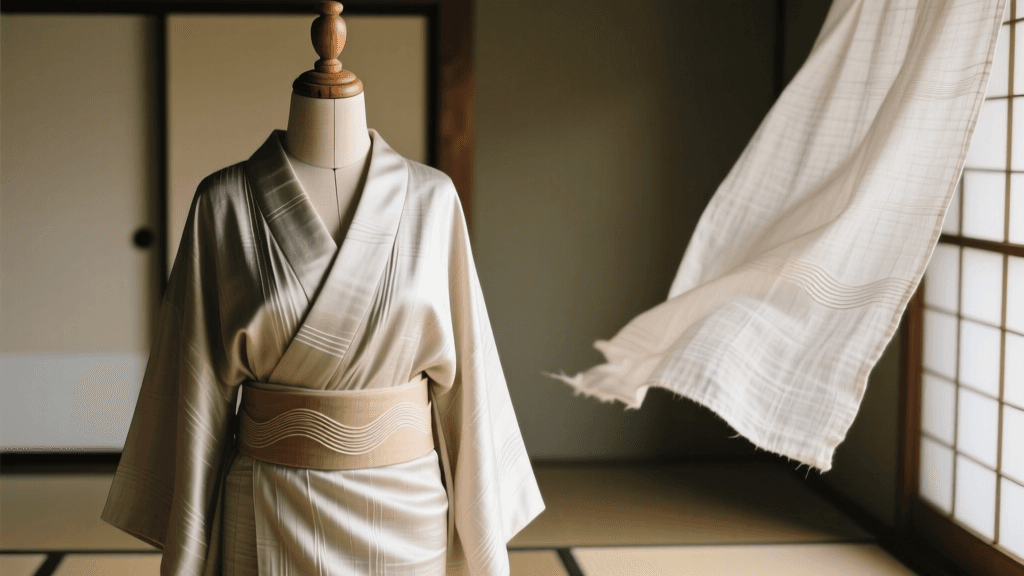
One of the most prominent subjects in 2026's heritage fashion journalism is Xiangyunsha, often referred to as the 'soft gold' of Chinese silk. Originating from the Guangdong province, this complex dyeing technique relies on the tannin-rich juice of the Dioscorea cirrhosa (shoulang) plant and the iron-rich mud of the Pearl River Delta. The process requires over 30 meticulous steps, including repeated soaking, sun-drying, and mud-coating, resulting in a distinctive rustling sound and a luxurious, dual-toned finish that is naturally antibacterial and highly breathable.
Top Bilibili documentary creators and Xiaohongshu textile journalists have spent the first half of 2026 embedding themselves in Foshan workshops to expose the differences between authentic, sun-cured Xiangyunsha and mass-produced, chemically simulated imitations. Through 4K macro-lens streaming, these journalists show their audiences the microscopic differences in the silk weave and the natural, uneven patina that develops on genuine eco-dyed silk over time. Their investigative reports have directly influenced 2026 market standards, forcing e-commerce platforms to implement stricter verification tags for sellers claiming to offer authentic gambiered silk.
The global recognition of such techniques is paramount. As noted by the UNESCO Intangible Cultural Heritage list, the preservation of traditional sericulture and silk craftsmanship is not just a regional priority but a global cultural imperative. Chinese digital journalists are effectively acting as the modern bridge between these ancient UNESCO-recognized practices and the contemporary global fashion consumer, translating complex artisanal processes into engaging, accessible digital media.
2026 Creator Data: Eco-Dye Techniques and Market Impact
The influence of fashion journalism on consumer purchasing behavior is quantifiable. Below is a structured breakdown of the top traditional eco-dye techniques championed by Chinese content creators in 2026, including their primary garment applications, current market pricing, and the dominant media platforms where they are discussed.
| Eco-Dye Technique | Primary Garment Application | 2026 Avg. Retail Price (RMB) | Dominant Media Platform | Key Journalistic Focus |
|---|---|---|---|---|
| Xiangyunsha (Gambiered Silk) | Mamianqun (Horse-face Skirt) | 3,800 - 8,500 | Xiaohongshu (RED) | Sun-curing authentication, mud oxidation |
| Banlan (Isatis Root Indigo) | Ming Dynasty Aoqun (Jacket/Skirt) | 1,200 - 3,500 | Bilibili | Fermentation vats, colorfastness testing |
| Shuliang (Sorghum Red) | Beizi (Traditional Overcoat) | 900 - 2,200 | WeChat Articles | Botanical sourcing, historical accuracy |
| Zicao (Gromwell Purple) | Song Dynasty Ru (Blouse) | 1,500 - 4,000 | Douyin (TikTok China) | pH-sensitive color shifting, alum mordants |
Plant-Based Indigo (Banlan) and the Mamianqun Renaissance
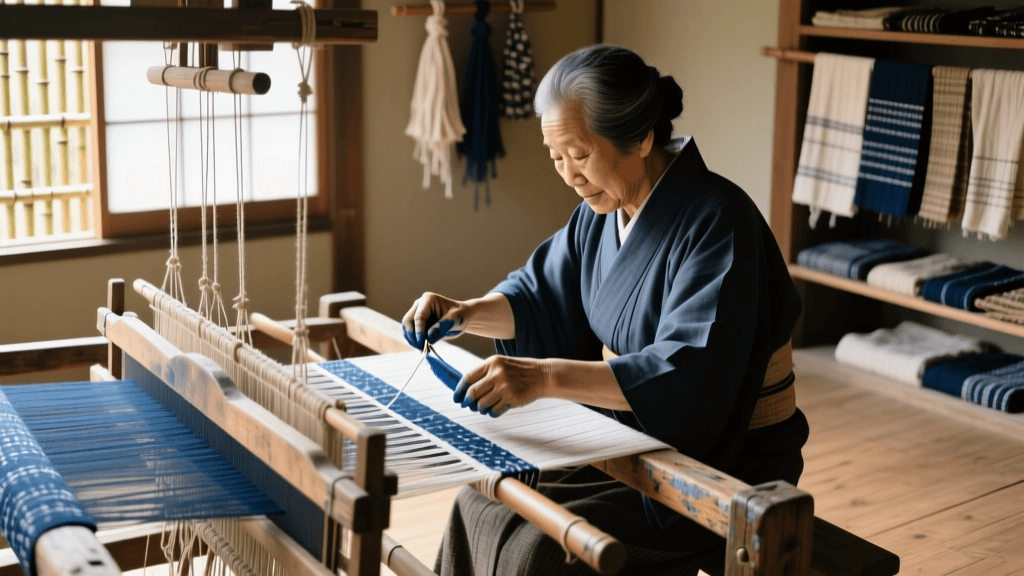
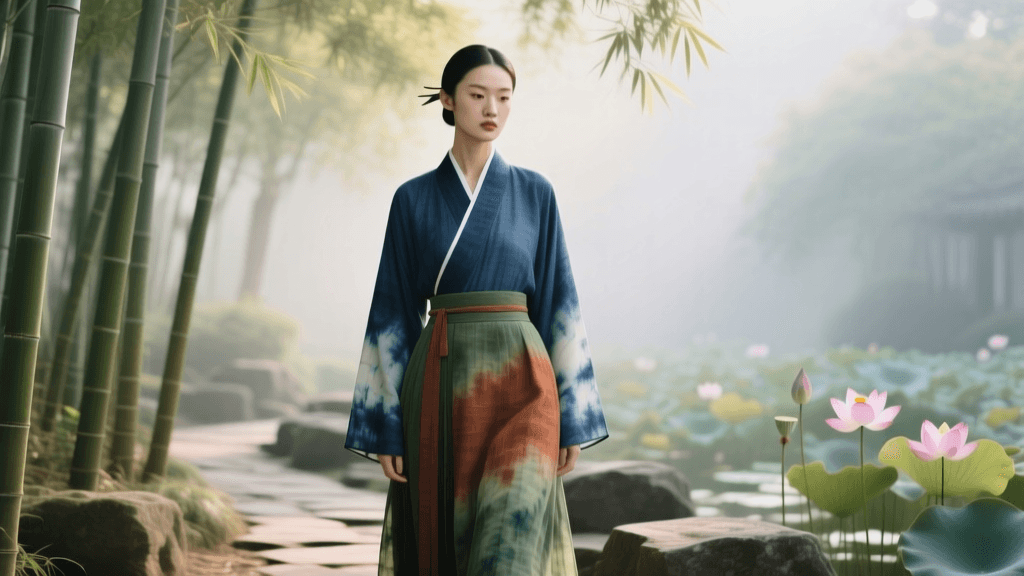
The Mamianqun, or horse-face skirt, has remained a dominant force in everyday Hanfu styling through 2026, but the modern consumer's expectation for the garment has evolved. Thanks to the relentless investigative work of fashion journalists, buyers now actively seek out Mamianqun dyed with Banlan (traditional Chinese indigo). Unlike synthetic indigo, which relies on harsh chemical reducing agents, traditional Banlan fermentation uses rice wine and wood ash, creating a living dye vat that requires daily care by master artisans.
Content creators have popularized 'UV flashlight tests' and 'alkaline wash challenges' on their livestreams to prove the authenticity of natural indigo. By demonstrating how genuine plant indigo reacts to different pH levels and how it gracefully fades to a soft, vintage blue over years of wear, journalists have cultivated a deep appreciation for the 'living' nature of eco-dyed textiles. This has led to a surge in bespoke, made-to-order Hanfu studios that partner directly with indigo farmers in Guizhou, a supply chain transparency model heavily promoted by investigative fashion bloggers.
The historical depth of these textiles is vast. Resources from institutions like The Metropolitan Museum of Art detail the centuries-old mastery of Chinese silk and dyeing, providing the historical foundation that modern digital journalists reference when debunking historically inaccurate color palettes in commercial Hanfu productions. By citing museum archives and historical textile fragments, creators elevate their content from mere fashion reviews to rigorous cultural critique.
Actionable Guide: Sourcing Eco-Dye Garments via Creator Recommendations
For international enthusiasts and domestic buyers looking to navigate the 2026 eco-dye Hanfu market, following the right fashion journalists is only the first step. Here is actionable advice derived from top Xiaohongshu and Bilibili textile investigations to ensure you are purchasing authentic, sustainably dyed traditional garments:
- Look for the 'Heritage Artisan' Verification: In 2026, reputable Xiaohongshu creators only partner with or recommend Taobao and WeChat Mini-Program stores that display verified ICH (Intangible Cultural Heritage) inheritor certificates. Always cross-reference the store's claimed artisan with provincial cultural heritage databases.
- Analyze the Macro Photography: Authentic plant dyes like Xiangyunsha and Shuliang exhibit natural micro-variations in color saturation. If a seller's product photos show a perfectly uniform, flat color under studio lighting, fashion journalists advise treating it with extreme skepticism, as this is a hallmark of synthetic chemical dyes.
- Understand the Scent Profile: Investigative bloggers frequently highlight the olfactory signatures of natural dyes. Genuine gambiered silk carries a faint, earthy, herbal scent reminiscent of dried leaves and river clay, while fake versions often smell of petroleum-based fixatives or carry no scent at all.
- Track the Seasonal Dyeing Calendars: True eco-dye journalism educates consumers on agricultural timelines. For instance, authentic indigo harvesting and vat preparation peak in late summer and early autumn. Creators advise buyers to be wary of 'fresh batch' natural indigo garments released in the dead of winter, as this often indicates the use of preserved synthetic alternatives.
- Read the 'Wash Water' Reviews: On Bilibili, long-form reviewers document the first three washes of a new Hanfu piece. Natural dyes will release excess pigment (bleeding) in the first few washes, requiring the use of cold water and pH-neutral detergents. If a reviewer notes zero color bleed on an allegedly natural indigo garment, it has likely been treated with heavy chemical color-fixatives.
The Economics of Heritage Blogging and Future Outlook
The financial ecosystem supporting this niche of fashion journalism has matured significantly in 2026. Platforms like Xiaohongshu have introduced dedicated 'Heritage Creator Grants,' providing funding for journalists to travel to rural dyeing cooperatives and produce high-quality, documentary-style content. This institutional support has legitimized traditional textile journalism as a viable career path, attracting graduates with backgrounds in chemistry, history, and anthropology to the fashion media space.
As we move through 2026, the boundary between fashion journalism, environmental activism, and cultural preservation continues to blur. Chinese content creators are not merely reporting on what to wear; they are actively shaping the supply chain, demanding ethical labor practices, and ensuring that ancient eco-friendly dyeing methods survive the pressures of modern industrialization. For the global fashion community, following these digital journalists offers an unparalleled masterclass in sustainability, proving that the future of fashion is inextricably linked to the wisdom of the past.