Hanfu Life Milestones 2026: Rites, Ceremonies & Styles
The Resurgence of Hanfu in Modern Milestones
As we navigate through 2026, the Hanfu movement has transcended its origins as a niche streetwear subculture to become a profound expression of cultural identity during life’s most significant milestones. From coming-of-age ceremonies to weddings and university graduations, traditional Chinese garments are now the attire of choice for individuals seeking to anchor their personal achievements in centuries of heritage. This shift reflects a broader societal desire for meaningful, ritualized celebrations that honor ancestral customs while embracing contemporary aesthetics. Whether you are planning a traditional ceremony or looking to incorporate historical elements into a modern event, understanding the specific garments, layering techniques, and ceremonial protocols is essential for an authentic and respectful experience.
Coming-of-Age: Guan Li and Ji Li in 2026
The transition from childhood to adulthood has long been marked by the Guan Li (capping ceremony for men at age 20) and the Ji Li (hairpinning ceremony for women at age 15). In 2026, these rites have seen a massive revival, often organized by university cultural societies, local heritage groups, and even high schools as collective coming-of-age festivals.
The Three Additions of the Guan Li
The traditional Guan Li involves three distinct additions of headwear and corresponding changes in clothing, symbolizing the growing responsibilities of adulthood:
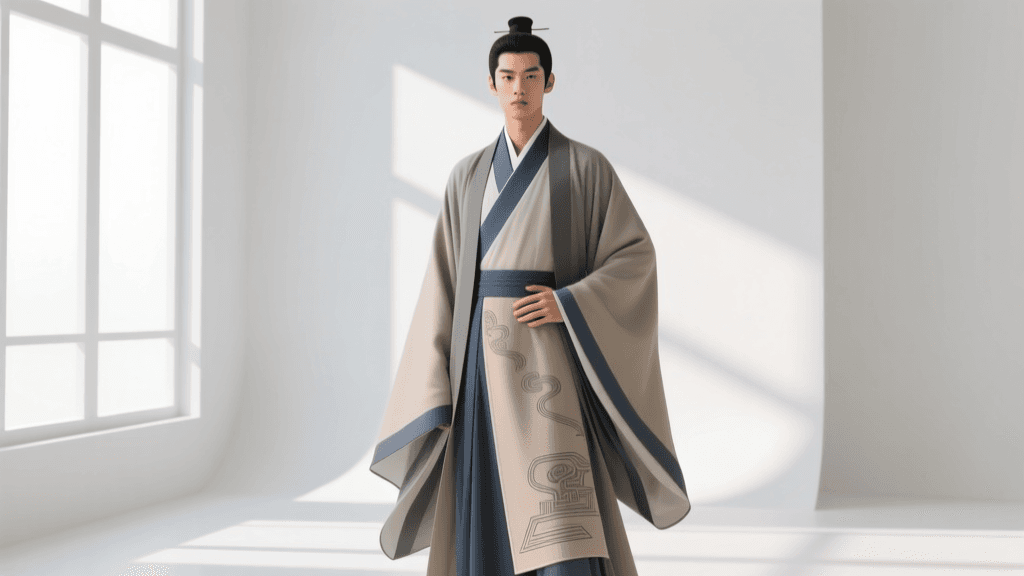
- First Addition: A simple linen or cotton Shenyi (deep robe) paired with a basic cloth cap. This represents the purity and foundational virtues of youth.
- Second Addition: Darker, more formal robes paired with a Pibian (leather or stiffened fabric cap), symbolizing the readiness to take on civic and martial duties.
- Third Addition: The grandest ceremonial attire, often a formal silk robe, accompanied by the Juebian (a formal cap with jade ornaments), signifying full participation in ancestral rites and societal leadership.
The Elegance of the Ji Li
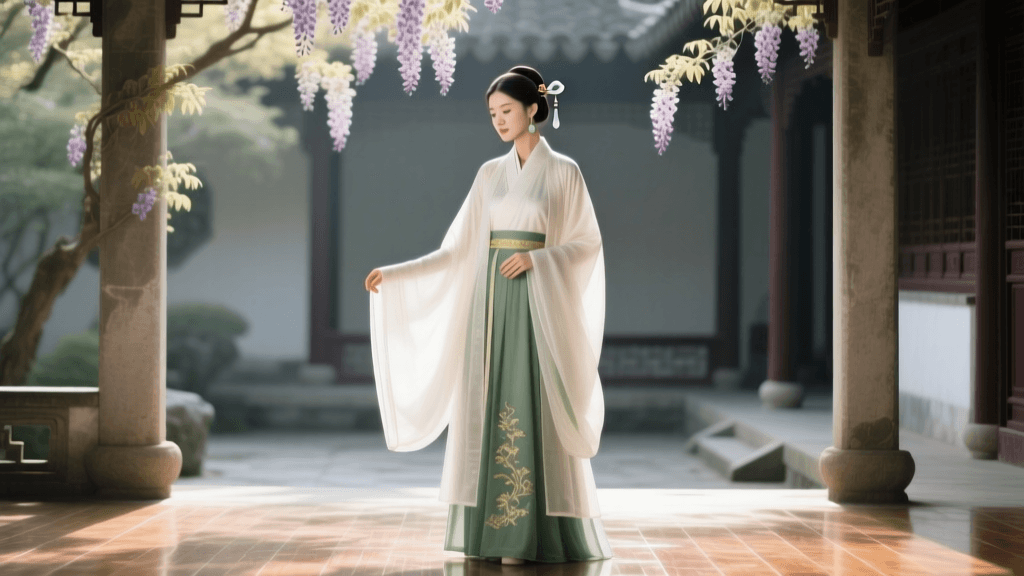
For young women, the Ji Li centers on the changing of hairstyles and the addition of ornate hairpins (Ji). The initiate transitions from wearing her hair down or in simple childhood braids to an intricate updo secured with jade, gold, or carved wood hairpins. The garment of choice is often the Qixiong Ruqun (chest-high skirt and top) or a flowing Daxiushan (large-sleeved robe), crafted from lightweight silks that allow for graceful movement during the bowing rituals to parents and teachers.
Traditional Hanfu Weddings: A Dynasty Comparison
The traditional Chinese wedding, or Hunli, is one of the most visually spectacular milestones. In 2026, couples are moving away from monolithic 'red dress' concepts and are instead meticulously researching dynasty-specific wedding attire to match the aesthetic and philosophical vibe of their ceremony. Below is a comparison of the three most popular historical wedding styles chosen by couples today.
| Dynasty | Bride's Attire | Groom's Attire | Color Palette | Ceremony Vibe |
|---|---|---|---|---|
| Zhou (1046–256 BCE) | Plain, layered deep robes (Shenyi) | Black and red formal robes | Black, Red, White | Solemn, sacred, minimalist, focused on ritual |
| Tang (618–907 CE) | High-waisted skirts, sheer shawls, floral crowns | Round-collared robes, official hats | Vibrant Green, Red, Gold | Opulent, joyful, cosmopolitan, festive |
| Ming (1368–1644 CE) | Fengguan (Phoenix Crown), Xiapei (Cloud Shoulder), Mang Pao | Wusha帽 (Official Hat), Python Robe | Crimson, Gold, Deep Blue | Regal, structured, highly ceremonial, grand |
The Ming Dynasty Wedding: A 2026 Deep Dive
The Ming dynasty style remains the most requested for grand ballroom weddings in 2026 due to its recognizable silhouettes and regal accessories. The bride’s Fengguan (phoenix crown) is a masterpiece of traditional millinery. Historically adorned with real kingfisher feathers, modern 2026 ethical standards have popularized the use of dyed goose feathers, iridescent synthetic silks, and intricate velvet ribbon work to achieve the same breathtaking cyan-blue effect without harming wildlife. According to the Metropolitan Museum of Art's Heilbrunn Timeline of Art History, Ming court dress was strictly regulated, and the privilege of wearing the python robe (Mang Pao) or phoenix crown was a supreme honor, making it the ultimate historical fantasy for modern brides seeking a majestic aesthetic.
Academic Graduations: Blending East and West
A fascinating trend solidifying in 2026 is the integration of Hanfu into academic graduation ceremonies. University graduates across Asia and the global diaspora are customizing their academic regalia to honor their heritage. The most common approach is wearing a formal Mamianqun (horse-face skirt) and a Jiaoling Youren (crossed-collar top) beneath the Western-style graduation gown. When the graduate walks across the stage, the structured pleats of the Mamianqun and the elegant crossed collar frame the face and peek out from the heavy academic robe, creating a stunning visual bridge between Eastern tradition and Western academia.
For those receiving master's or doctoral degrees, custom embroidery is often added to the academic hood, featuring traditional motifs like the plum blossom (resilience), orchid (elegance), or bamboo (integrity), aligning the scholarly achievements with classical Confucian virtues.
Sourcing, Tailoring, and Fabric Care in 2026
Acquiring milestone Hanfu requires careful planning, especially for weddings and coming-of-age rites where bespoke tailoring is preferred over off-the-rack purchases. In 2026, the market for high-end ceremonial Hanfu is robust, with specialized ateliers in Hangzhou, Suzhou, and Chengdu offering global shipping and virtual 3D fittings.
Premium Fabrics for Milestones
- Xiangyunsha (Gambiered Canton Gauze): Highly prized for summer weddings and outdoor ceremonies. This fabric is dyed using yam juice and river mud, resulting in a dark, lustrous finish that is naturally cooling, water-resistant, and incredibly durable. Expect to pay between $400 and $900 per yard in 2026.
- Song Brocade (Songjin): Known for its intricate, repeating geometric and floral patterns, Song Brocade is the standard for heavy winter wedding jackets and formal outer layers. Its structural integrity makes it perfect for supporting the weight of heavy embroidery and cloud shoulders.
- Lu silk and Zhangzhou Velvet: Used for sophisticated, understated milestone garments, offering a rich texture that photographs beautifully under modern event lighting.
Preserving Ceremonial Garments
Milestone garments are often treated as family heirlooms. Proper storage is critical to preserve the silk proteins and metallic threads. The Metropolitan Museum of Art's guidelines on Chinese silk emphasize the vulnerability of historical textiles to light and humidity. For modern collectors and brides in 2026, the protocol involves:
- Cleaning: Never machine wash or aggressively dry-clean Xiangyunsha or heavily embroidered brocades. Use specialized heritage textile conservation services for spot cleaning.
- Wrapping: Wrap the garments in unbleached, acid-free cotton muslin or archival tissue paper. Never use plastic bags, which trap moisture and cause silk to yellow and shatter.
- Storage Environment: Store flat in cedar or archival cardboard boxes in a climate-controlled environment (ideally 65°F with 50% relative humidity). Avoid hanging heavy Ming-style wedding jackets, as the gravity will eventually distort the shoulder seams and tear the delicate silk linings.
Conclusion
The year 2026 marks a golden era for Hanfu, where the garments are no longer just costumes for photography, but living, breathing components of life’s most sacred milestones. Whether you are stepping into adulthood through the solemnity of the Guan Li, exchanging vows in a majestic Ming-style Fengguan, or walking across the graduation stage with a Mamianqun swaying beneath your gown, Hanfu offers a profound connection to the past. By understanding the historical context, investing in quality textiles, and respecting the ceremonial protocols, you ensure that your milestone is not just a personal achievement, but a beautiful continuation of an ancient cultural legacy.