Traveling With Hanfu In 2026: Packing Tips & Top Destinations
The Renaissance of Hanfu Travel in 2026
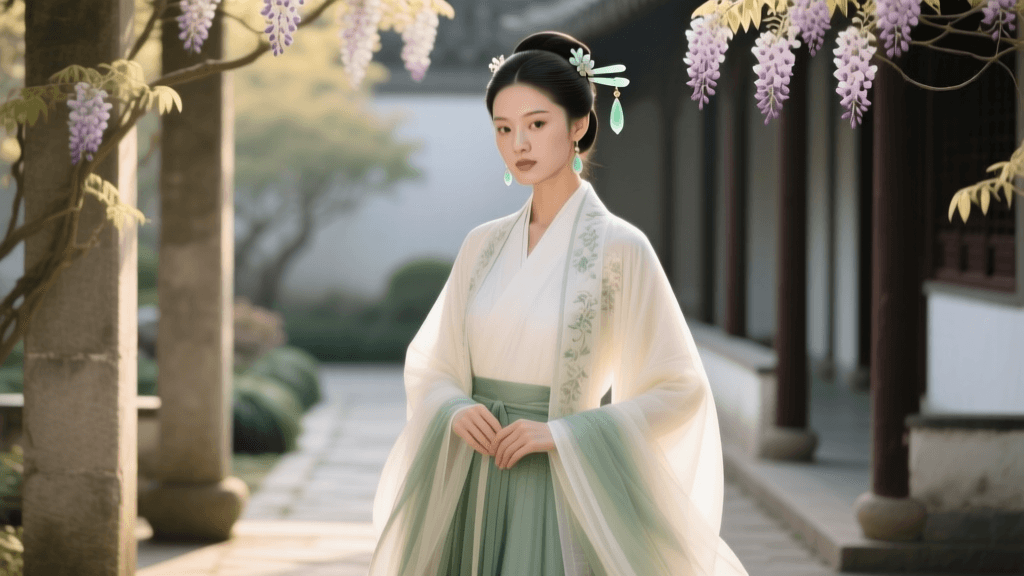
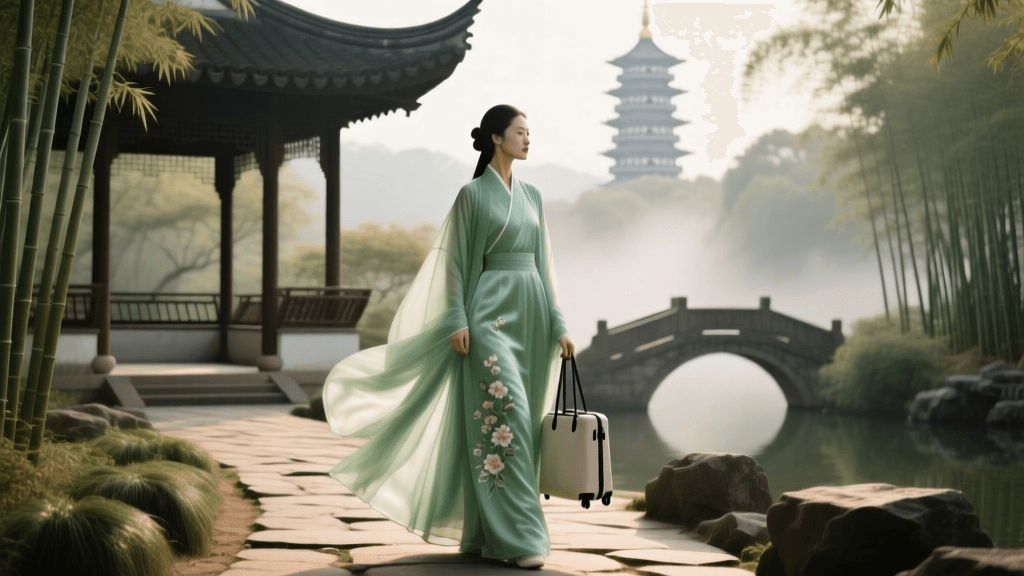
The global fascination with traditional Asian garments has reached new heights in 2026, driven largely by the Xin Zhongshi (new Chinese style) movement and a post-pandemic surge in cultural heritage tourism. Hanfu, the traditional clothing of the Han Chinese, is no longer confined to local festivals or studio photoshoots. Today, travelers are packing elaborate Ming-style Mamianqun (horse-face skirts) and flowing Tang-dynasty Qixiong Ruqun for international and domestic journeys. However, traveling with meters of delicate silk, intricate brocade, and fragile hair accessories requires meticulous planning. Whether you are embarking on a Silk Road expedition or a weekend photography trip, this comprehensive 2026 guide will ensure your garments arrive pristine and your travel experience is seamless.
The Ultimate Hanfu Packing Checklist for 2026
Packing traditional garments is fundamentally different from packing modern Western clothing. The sheer volume of fabric, the delicacy of the textiles, and the myriad of small accessories demand specialized luggage and packing techniques.
Garment Protection and Luggage Selection
For carry-on travel, the Away The Carry-On: Flex (2026 Edition) remains a top choice among Hanfu enthusiasts. Priced at approximately $295 USD, its flexible compression pad is specifically designed to accommodate bulky winter Hanfu sets, such as thick velvet-lined Beizi (vests) and layered skirts, without crushing the pleats. For checked luggage, hard-shell spinners like the TUMI V3 Continental offer superior impact protection for rigid hair crowns and delicate silk embroideries.
Never fold your silk garments directly against rough fabrics. Invest in Rice Paper Silk Garment Bags or unbleached cotton muslin bags. These breathable covers prevent moisture buildup—a critical factor when traveling to humid destinations like Hoi An or Kyoto during the summer monsoon season.
Wrinkle Prevention: The Roll and Tissue Method
Folding Hanfu along its natural seams is the first step, but to prevent hard creases in delicate chiffon and silk, utilize the 'Roll and Tissue' method:
- Step 1: Lay the garment flat and smooth out any existing wrinkles.
- Step 2: Place acid-free archival tissue paper over the embroidery or pleated sections.
- Step 3: Roll the garment loosely around a cardboard tube (or a specialized inflatable packing tube) to maintain the structural integrity of the pleats.
- Step 4: Secure the roll with soft silk scrunchies, avoiding elastic bands that can leave permanent indentations on natural fibers.
On-the-Go Steaming Solutions
Even with perfect packing, natural fibers will need refreshing. The Steamery Cirrus No.3 Handheld Steamer (2026 model, $189 USD) is an indispensable tool for the traveling Hanfu wearer. It features dual-voltage capabilities (100-240V), a ceramic-coated steam head that prevents water spotting on delicate silks, and a compact footprint that easily slips into a tote bag. Always use distilled water in your steamer to prevent mineral deposits from staining light-colored garments.
Fabric Care and Travel Suitability Matrix
Not all Hanfu fabrics are created equal when it comes to travel. Refer to this matrix to choose the right garments for your 2026 itinerary.
| Fabric Type | Wrinkle Resistance | Ideal Packing Method | Best Travel Climate |
|---|---|---|---|
| Mulberry Silk | Low | Roll & Tissue; Garment Bag | Dry, Mild (Spring/Autumn) |
| Polyester Chiffon | High | Standard Folding | Humid, Tropical (Summer) |
| Cotton/Linen Blend | Medium | Rolling; Light Compression | Breezy, Coastal |
| Brocade/Jacquard | Medium-High | Flat Fold with Tissue | Cool, Winter (Requires dry cleaning) |
Top 2026 Destinations for Hanfu Photography
Choosing the right destination is just as important as packing the right garments. In 2026, several cities have optimized their infrastructure to cater specifically to traditional garment tourism, offering dedicated changing rooms, historical backdrops, and specialized dry-cleaning services.
1. Xi'an, China: The Tang Dynasty Immersion
Xi'an remains the undisputed capital of Tang-style Hanfu tourism. The Travel China Guide's Xi'an resource highlights the Datang Everbright City as a premier location for nighttime photography. The area is illuminated by thousands of traditional lanterns, providing the perfect backdrop for a vibrant Qixiong Ruqun. In 2026, the city has introduced over 50 public 'Hanfu Rest Stops' near major historical sites, offering free steamers, full-length mirrors, and secure lockers for your modern travel bags. If you require professional care for a heavy brocade garment, local specialized dry cleaners near the Bell Tower charge approximately 150 RMB ($21 USD) for eco-friendly silk pressing.
2. Luoyang, China: Wei-Jin Aesthetics and Grottoes
For those who prefer the flowing, ethereal, and unstructured silhouettes of the Wei-Jin period, Luoyang is the ultimate 2026 destination. The Longmen Grottoes offer a dramatic, ancient stone backdrop that contrasts beautifully with wide-sleeved, cross-collared Ruqun in muted earth tones. The local tourism board has recently partnered with heritage organizations to offer guided photography tours that educate visitors on the historical context of the garments, aligning with the broader cultural preservation goals outlined by UNESCO's Silk Roads Programme.
3. Kyoto, Japan: Cross-Cultural Silk Road Elegance
While Kyoto is famous for its native Kimono, it has become a beloved destination for Hanfu photographers seeking a cross-cultural aesthetic. The Arashiyama Bamboo Grove and the wooden machiya streets of Gion provide stunning, serene environments for Ming-style Hanfu. The structured, grounded silhouette of a Mamianqun pairs visually well with Japanese traditional architecture. When traveling to Japan, it is crucial to practice cultural respect; ensure your Hanfu is worn correctly and avoid mixing it with native Japanese accessories (like Kanzashi) to maintain the distinct historical integrity of both cultures. The Japan National Tourism Organization provides excellent guidelines on respectful attire when visiting sacred shrines and temples.
Navigating Airport Security with Traditional Accessories
Hanfu is incomplete without its accessories, but traditional hairpins (Zan), crowns (Ji), and waist ornaments can cause significant delays at airport security checkpoints. Many authentic replicas are forged from brass, copper, or silver, and feature long, pointed ends that TSA and international security agencies classify as potential weapons.
The 2026 Security Protocol for Hanfu Accessories:
Never pack metal hairpins with pointed tips in your carry-on luggage. They will almost certainly be confiscated at the security checkpoint. Instead, pack them in a padded, hard-shell jewelry case within your checked luggage. For carry-on flights, opt for modern alternatives crafted from carved resin, acrylic, or polished wood, which mimic the look of jade and bone without triggering metal detectors or security concerns.
Additionally, heavy metal waist chains and intricate bronze belt hooks (Daigou) should be removed and placed in your carry-on bag before passing through the metal detector to avoid setting off alarms and requiring secondary pat-downs.
Embracing the Journey
Traveling with Hanfu in 2026 is a rewarding endeavor that bridges the gap between ancient artistry and modern exploration. By investing in the right protective luggage, mastering the roll-and-tissue packing method, and selecting destinations that celebrate historical aesthetics, you can transform your travel itinerary into a living, breathing canvas of Asian heritage. As the Xin Zhongshi movement continues to evolve, the sight of flowing silk sleeves against the backdrop of ancient pagodas and modern cityscapes will only become more common—a beautiful testament to the enduring legacy of traditional garments in a fast-paced world.