Top Chinese Fashion Creators Shaping Hanfu Trends 2026
The Evolution of Chinese Fashion Journalism in 2026
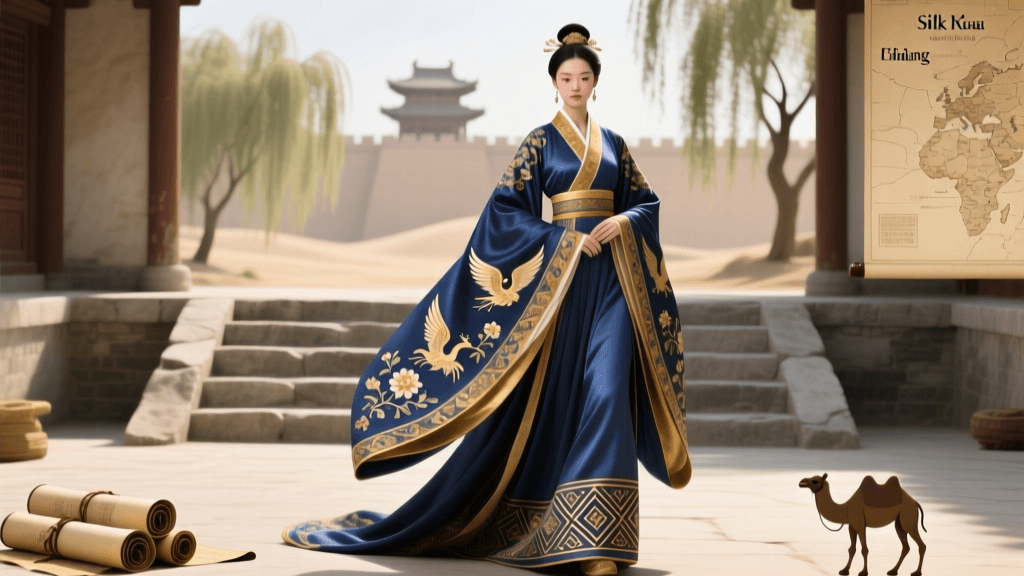
The landscape of Chinese fashion journalism has undergone a radical transformation by 2026. No longer confined to the glossy pages of print magazines or static editorial websites, the most influential voices in Asian traditional garments now reside on dynamic, community-driven platforms like Xiaohongshu (RED), Bilibili, and WeChat Official Accounts. Today’s top Chinese fashion content creators are not merely showcasing outfits; they are acting as sartorial historians, sustainability advocates, and cultural ambassadors. They are redefining how the world understands the intricate warp and weft of Asian traditions.
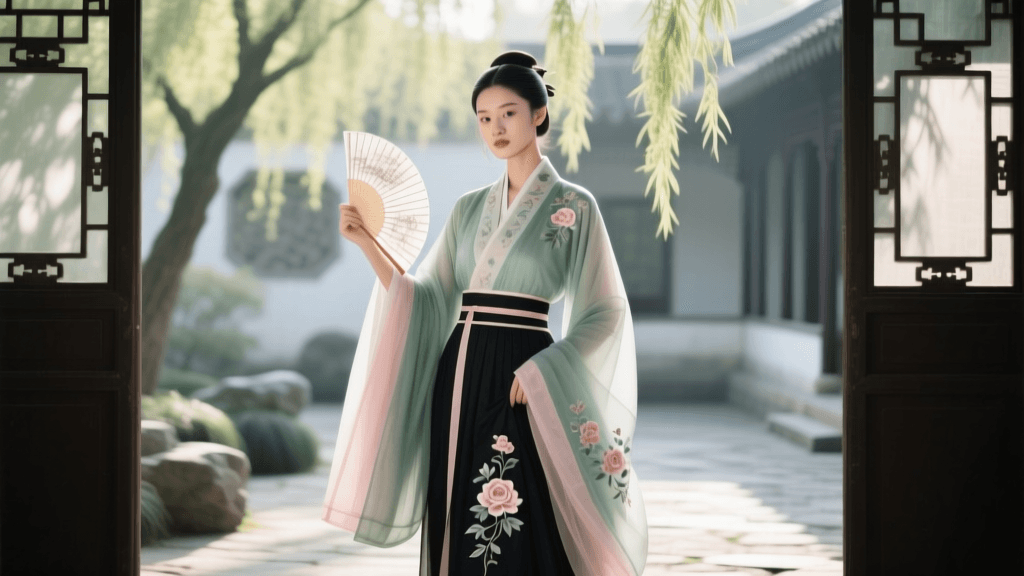
At the forefront of this movement is the 'New Chinese Style' (Xin Zhong Shi) phenomenon. According to market analyses tracked by Jing Daily, the integration of traditional Hanfu elements into everyday modern wardrobes has evolved from a niche subculture into a multi-billion-dollar mainstream industry in 2026. Fashion bloggers are now dissecting the intersection of historical accuracy and modern wearability, providing their millions of followers with deeply researched content on textile origins, ethical manufacturing, and styling techniques that bridge the gap between ancient dynasties and contemporary streetwear.
Spotlight on Eco-Friendly Dyeing: Xiangyunsha and Indigo
One of the most compelling subtopics dominating Chinese fashion blogs in 2026 is the revival and documentation of extreme, eco-friendly natural dyeing methods. Content creators are increasingly leaving their urban studios in Shanghai and Beijing to embed themselves in the rural workshops of Guangdong and Guizhou provinces. Their long-form video essays and photo journals offer unprecedented access to the grueling, beautiful realities of heritage textile production.
The Xiangyunsha Renaissance
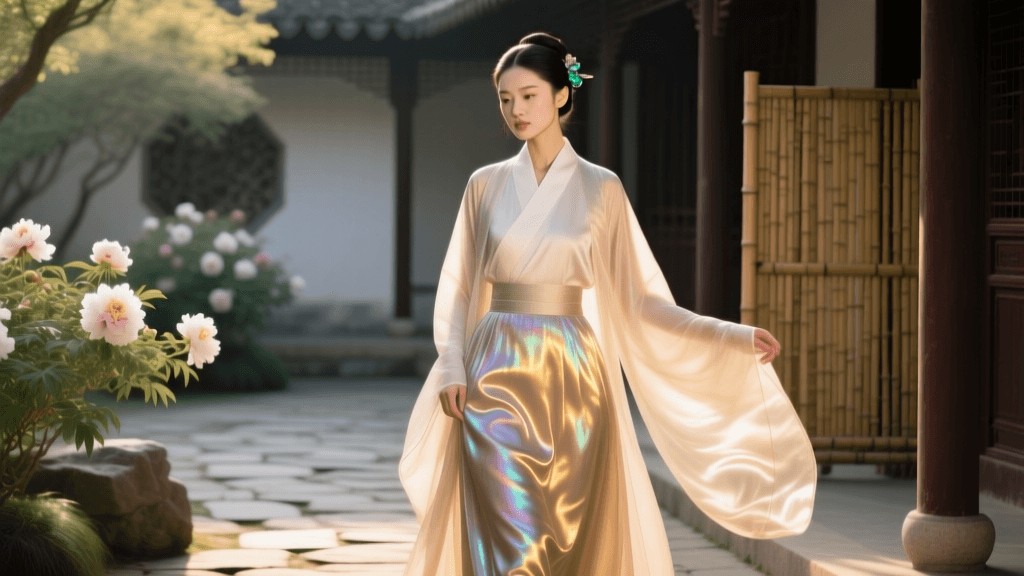
Xiangyunsha, also known as gambiered Canton gauze, has become the ultimate status symbol among Hanfu enthusiasts this year. This luxurious silk is dyed using the juice of the薯莨 (Shuliang) yam and then cured with iron-rich river mud—a process that requires intense sunlight and specific humidity levels. Top creators on Xiaohongshu have popularized the '30-Day Mud-Cure' vlog format, where they document the exact timeline required to transform raw white silk into the deep, resonant black-brown fabric prized by collectors.
'True Xiangyunsha is not just a fabric; it is a collaboration between the weaver, the river, and the sun. In 2026, as fast fashion faces severe environmental backlash, our audience craves the slow, intentional creation of heritage textiles.' — Excerpt from a leading WeChat heritage blog, 'The Silk Archivist'.
Creators are also educating consumers on the premium pricing of authentic pieces. In 2026, genuine Xiangyunsha silk averages $85 to $120 USD per yard for raw material. A fully tailored, authentic Xiangyunsha Mamianqun (horse-face skirt) retails between $450 and $1,500 USD on specialized Taobao boutiques and WeChat Mini-Programs, a price point that bloggers meticulously justify by breaking down the labor hours and ecological benefits of the natural dye.
Data Table: Top Traditional Fashion Content Niches on Xiaohongshu (2026)
To understand where the influence lies, we analyzed the top-performing traditional fashion niches on Xiaohongshu this year. The data reveals a clear consumer preference for historically grounded, sustainable garments over mass-produced costume wear.
| Content Niche | Avg. Engagement Rate | Primary Garment Focus | Typical Price Range (USD) |
|---|---|---|---|
| Eco-Dye Documentation | 8.4% | Xiangyunsha Mamianqun | $450 - $1,500 |
| Song Dynasty Minimalist | 12.1% | Beizi (Outerwear) & Pleated Skirts | $120 - $350 |
| Vintage Republican Sourcing | 6.5% | 1920s-1930s Antique Qipao | $800 - $3,000+ |
| Modern Streetwear Hanfu | 14.3% | Mamianqun paired with denim/leather | $90 - $250 |
As the table illustrates, while 'Modern Streetwear Hanfu' garners the highest raw engagement due to its accessibility, 'Eco-Dye Documentation' commands the highest respect and drives the most high-ticket affiliate conversions for independent artisans.
Translating Heritage for the Global Runway
Chinese fashion journalists are no longer just looking inward; they are critical conduits translating local heritage for the global stage. During the Paris and Milan Fashion Weeks of 2026, top Chinese bloggers provided real-time, bilingual commentary on how designers like Samuel Guì Yang and Uma Wang incorporated traditional tailoring techniques—such as the flat-cutting methods of the Ming Dynasty and the intricate Pan Kou (knotted button) closures—into avant-garde runway collections.
Coverage by The Business of Fashion has frequently highlighted how Chinese digital creators are instrumental in driving international wholesale orders for these heritage-inspired brands. By creating 'Runway to Real Life' guides, these bloggers show their followers how to adapt high-fashion traditional silhouettes for everyday wear, effectively bridging the gap between exclusive runway concepts and accessible cultural pride. Furthermore, South China Morning Post Fashion regularly features interviews with these digital pioneers, noting their role in shifting the global perception of Chinese fashion from mere manufacturing to profound cultural artistry.
Actionable Guide: Sourcing Authentic Pieces via Blog Recommendations
For international enthusiasts and aspiring collectors looking to navigate the 2026 Hanfu market, following Chinese fashion blogs is only the first step. Here is actionable advice on how to leverage creator content to source authentic, high-quality traditional garments:
- Verify the Mud-Cure Scent: When purchasing Xiangyunsha based on a blogger's recommendation, authentic pieces will have a faint, earthy, sweet-potato-like aroma. While it fades over time, a complete lack of this scent in a brand-new garment often indicates synthetic chemical dyes masquerading as heritage silk.
- Check the Selvedge Watermarks: In 2026, the Guangdong provincial heritage board introduced a standardized, UV-reactive watermark on the selvedge of certified Xiangyunsha silks. Top creators frequently post macro-photography guides showing exactly where to look for this authenticity marker under a blacklight.
- Utilize WeChat Mini-Programs: Avoid third-party markups on international proxy sites. Most elite artisans and boutique brands now operate directly through WeChat Mini-Programs linked in the comments or articles of trusted Xiaohongshu creators. Use a trusted shopping agent to purchase directly from these native storefronts.
- Analyze the Pleat Structure: When sourcing a Mamianqun, refer to creator diagrams that explain the difference between 'knife pleats' and 'box pleats.' High-end 2026 reproductions utilize heat-setting techniques combined with traditional silk weights to ensure the pleats remain razor-sharp even after dry cleaning, a detail heavily reviewed by top textile bloggers.
The Future of Asian Sartorial Storytelling
As we move deeper into 2026, the role of the Chinese fashion content creator continues to expand. With the integration of AI-driven real-time translation tools on platforms like Xiaohongshu, the barrier to entry for international audiences has virtually vanished. English-speaking Hanfu enthusiasts can now read nuanced debates about Song Dynasty color theory and Guizhou indigo fermentation processes the moment they are published.
The dedication of these bloggers and journalists ensures that traditional Asian garments are not treated as static museum relics, but as living, breathing components of a sustainable global wardrobe. By championing eco-friendly dyes, meticulous craftsmanship, and historical literacy, China's digital fashion vanguard is securing the legacy of Asian traditions for generations to come.