C-Drama Hanfu Guide: Recreating Iconic TV Costumes
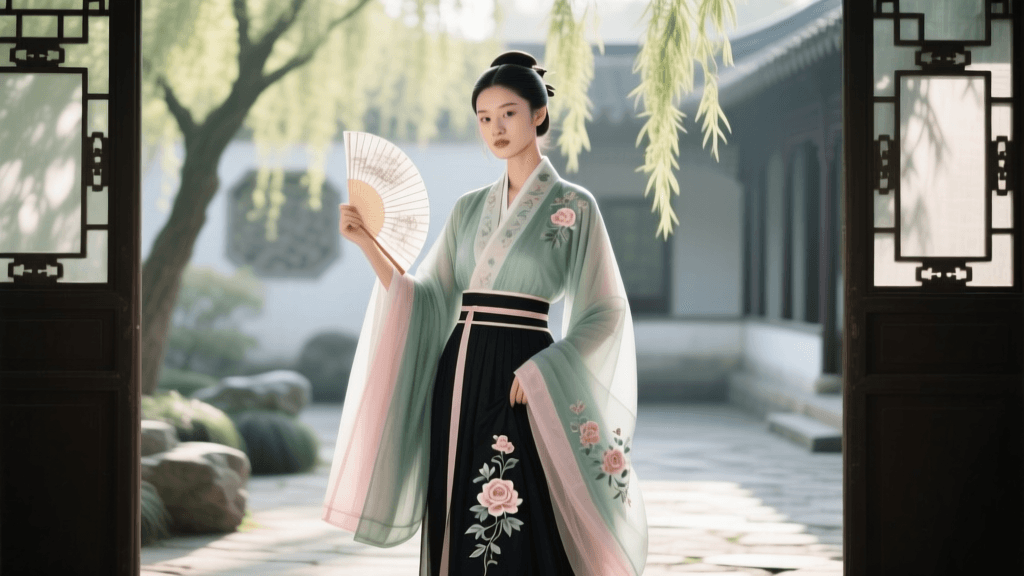
The global explosion of Chinese historical dramas, affectionately known as C-dramas, has done far more than entertain audiences; it has sparked a worldwide sartorial revolution. From the sweeping political intrigue of Nirvana in Fire to the ethereal cultivation worlds of The Untamed and Love Between Fairy and Devil, television costumes have become the primary gateway for international fans discovering traditional Chinese clothing. However, translating these cinematic masterpieces into a wearable, real-world wardrobe requires a nuanced understanding of both historical accuracy and modern manufacturing.
According to cultural researchers tracking the broader Hanfu movement, television and film have acted as the most significant catalysts for the revival of traditional Han Chinese clothing over the last decade. Fans are no longer satisfied with merely watching their favorite characters; they want to embody them. Yet, a critical divide exists between what is worn on screen and what is historically authentic. This guide will help you navigate the intersection of cinematic fantasy and historical reality, providing actionable advice on how to source, style, and recreate iconic C-drama looks for modern wear.
The "C-Drama Effect" on Modern Hanfu Fashion
When a major historical drama airs, the impact on the traditional garment market is immediate and quantifiable. For instance, following the release of The Longest Day in Chang'an, which meticulously recreated Tang Dynasty aesthetics, searches for Tang-style Yuanlingpao (round-collar robes) and Qixiong Ruqun (chest-high skirts) surged by over 300% on major e-commerce platforms. Similarly, the wildly popular Xianxia (high fantasy) dramas have normalized the wearing of flowing, wide-sleeved Guangxiu robes in everyday street fashion and at anime conventions worldwide.
However, as noted in Sixth Tone's cultural analysis of the Hanfu revival, the commercialization of TV-inspired clothing has birthed a subcategory known as "Ying Shi Hanfu" (Film and Television Hanfu). While visually stunning on camera, these garments often prioritize the needs of the wardrobe department over historical authenticity. Understanding this distinction is the first step toward building a high-quality, screen-accurate wardrobe that you can actually wear in daily life.
Screen vs. Reality: Understanding "Ying Shi Hanfu"
Costume designers for film and television operate under immense constraints. Actors need to move quickly, change costumes in seconds between takes, and endure long hours under hot studio lights. As a result, TV costumes frequently utilize hidden zippers, velcro, and modern synthetic fabrics like polyester chiffon, which read beautifully on high-definition cameras but lack the breathability and drape of traditional textiles.
Furthermore, TV costumes often blend elements from different dynasties to create a "fantasy historical" aesthetic. A character might wear a Ming Dynasty collar with a Song Dynasty skirt, paired with an anachronistic leather corset belt. For the modern enthusiast, the goal is to capture the essence and color palette of the iconic TV costume while upgrading to historically accurate cuts, closures, and natural fabrics.
Recreating 3 Iconic C-Drama Looks: An Actionable Guide
1. The Tang Dynasty Official (Inspired by The Longest Day in Chang'an)
This drama is celebrated for its rigorous adherence to Tang Dynasty (618–907 AD) aesthetics. The quintessential male look features the Yuanlingpao (round-collar robe) paired with a Futou (stiffened black hat) and leather boots.
- Garment Specifications: Look for a 100% linen or raw silk Yuanlingpao. The collar should sit flush against the neck (approx. 3-4 cm high). Sleeves should be moderately wide (approx. 40 cm at the cuff) to allow for the traditional "hands clasped behind back" posture.
- Layering: Wear a white, cross-collared inner garment (Zhongyi) so that a crisp layer of white is visible at the neckline and cuffs.
- Sourcing & Cost: Brands like Zhongling offer screen-accurate Tang robes ranging from $80 to $150 USD. Avoid cheap Halloween replicas that use stiff polyester, as they will not drape correctly.
2. The Ethereal Xianxia Cultivator (Inspired by The Untamed)
Xianxia dramas rely heavily on Wei-Jin and Song Dynasty silhouettes, exaggerated for a flowing, immortal aesthetic. The iconic look of characters like Wei Wuxian or Lan Wangji features wide sleeves, high waists, and monochromatic or starkly contrasting color palettes.
- Garment Specifications: The core garment is the Jiaoling Ruqun (cross-collared top and skirt) or the Beizi (open-front coat). To achieve the "wind-blown" TV effect, seek out tops made of 12-momme silk or high-grade ramie. The sleeves must be Guangxiu (wide sleeves), measuring at least 60 cm in width.
- Styling Details: TV cultivators often wear elaborate waist accessories. Source a woven silk sash and attach a carved jade or resin pendant with a long tassel (at least 30 cm in length) to mimic the dramatic sway seen on screen.
- Sourcing & Cost: Taobao brand Shisanyu frequently releases Xianxia-inspired collections. Expect to pay around $60-$120 USD for a complete set.
3. The Ming Dynasty Noblewoman (Inspired by The Imperial Doctress)
Ming Dynasty (1368–1644 AD) clothing is the most popular silhouette in modern Hanfu, largely due to its regal, structured elegance. The defining garment is the Mamianqun (horse-face skirt), often paired with an Ao (lined jacket).
- Garment Specifications: A traditional Mamianqun requires 4.5 to 6 meters of fabric, featuring deep, structured pleats that remain flat when standing but fan out dramatically when walking. Look for skirts made of jacquard brocade or heavy cotton-linen blends.
- The Jacket: The Pipa-sleeved Ao (sleeves shaped like a lute, narrow at the wrist and wide at the arm) is essential. Ensure the jacket features traditional metal Zimu (interlocking) buttons at the collar, rather than fabric ties.
- Sourcing & Cost: Hanhua Shiliu and Ming Hua Tang are premier brands for Ming attire. High-quality Mamianqun skirts range from $70 to over $250 USD depending on the complexity of the woven gold threads.
Comparison Chart: TV Costume vs. Historically Accurate Hanfu
When shopping online, it is vital to know what you are buying. Use this chart to evaluate listings on sites like Taobao, AliExpress, or dedicated Hanfu boutiques.
| Feature | TV Costume (Ying Shi Hanfu) | Historically Accurate Hanfu |
|---|---|---|
| Closures | Hidden zippers, velcro, snaps, elastic waistbands | Woven fabric ties, pearl/metal interlocking buttons |
| Fabrics | Polyester, chiffon, modern lace, spandex blends | Mulberry silk, linen, hemp, woven brocade, ramie |
| Silhouette | Exaggerated, anachronistic layering, corseted waists | Period-accurate drape, natural waist placement, flat cutting |
| Collars | Often stiffened with modern interfacing, uneven overlaps | Soft, natural folds, strict adherence to left-over-right rule |
| Cost (USD) | $20 - $60 (Mass-produced, fast fashion) | $80 - $300+ (Specialist heritage brands) |
Sourcing Guide: Where to Buy Screen-Accurate Garments
To achieve a look that rivals the high-definition quality of a C-drama without sacrificing historical integrity, you must look to specialized Chinese manufacturers. The epicenter of Hanfu production is Taobao. While navigating Taobao can be daunting for international buyers, utilizing shopping agents like Superbuy or CSSBuy allows you to purchase directly from top-tier brands.
Top Brands for C-Drama Aesthetics:
- Shisanyu (Thirteen Yu): Best for Wei-Jin and Xianxia fantasy looks. They frequently collaborate with popular IPs and offer romantic, flowing silhouettes.
- Zhongling: The gold standard for Tang and Song dynasty recreations. Their garments are heavily researched and frequently used by historical reenactors and high-end cosplayers.
- Ming Hua Tang: Famous for their Ming Dynasty Mamianqun. Their weaving techniques replicate the luxurious, heavy textiles seen in imperial court dramas.
Shipping and Timing: Most authentic Hanfu brands operate on a "pre-sale" model. Because garments are made to order to reduce waste, expect a manufacturing wait time of 15 to 45 days before the item ships to your agent's warehouse. Always factor this into your planning if you are buying for a specific convention, wedding, or photoshoot.
Final Styling Tips for the Modern Enthusiast
A C-drama costume is only as good as its styling. Television wardrobes rely heavily on hair and makeup to sell the illusion of the era. To complete your look, invest in traditional hair accessories. For Tang styles, look for Buyao (step-shake) hairpins made of brass or enamel. For Ming styles, a Diji (hair crown) or pearl-encrusted forehead bands are essential.
Makeup should also reflect the era. Tang Dynasty makeup often featured Huadian (floral forehead decals) and bold, crimson lip colors, while Ming and Song aesthetics favored softer, more subdued pearl powders and delicate eyebrow shapes. By combining historically accurate garments with meticulous styling, you can step out of the screen and bring the magic of Chinese historical dramas into the real world.