Kimono Travel Essentials 2026: What to Pack & Where to Wear

The Rise of Mindful Kimono Travel in 2026
As global tourism continues to evolve in 2026, a significant shift toward mindful, culturally immersive travel has taken center stage. For enthusiasts of traditional Japanese garments, this means moving beyond quick roadside rentals and instead curating a personal travel wardrobe. Bringing your own kimono or yukata allows for a deeper connection to the craft, ensuring you wear pieces that fit perfectly and reflect your personal aesthetic while respecting local traditions. According to the Japan National Tourism Organization, cultural heritage tourism has seen a massive surge in 2026, with travelers specifically seeking out authentic, slow-travel experiences in regional hubs rather than just major metropolitan centers.
Packing a kimono requires strategy. Unlike modern Western clothing, traditional Japanese garments involve multiple layers, specialized accessories, and specific folding techniques to prevent permanent creasing. Whether you are wandering through the bamboo groves of Kyoto or attending a summer festival in Tokyo, this comprehensive 2026 guide will ensure your kimono travel kit is complete, practical, and culturally respectful.
The Ultimate Kimono Packing Checklist
A common mistake for beginners is packing the main kimono but forgetting the crucial undergarments and structural accessories. To achieve the elegant, cylindrical silhouette that defines traditional Japanese dress, every layer plays a vital role. Below is the essential packing list for a complete kimono or yukata ensemble.
| Item | Purpose | 2026 Travel Recommendation |
|---|---|---|
| Kimono / Yukata | The main outer garment | Pack 1-2. Choose wrinkle-resistant tsumugi (woven silk) or high-quality polyester blends for easy care. |
| Nagajuban | Undergarment to protect the kimono | Opt for a modern, washable synthetic hadajuban and han-juban set to save space and weight. |
| Koshihimo (3-4) | Long cotton ties to secure layers | Essential. Pack extra as they are small and easily misplaced in hotel rooms. |
| Datejime (2) | Wide elastic or silk belts | Modern velcro-closure datejime are highly recommended for travel as they eliminate bulky knots. |
| Obi | The decorative sash | Hanhaba obi (half-width) for yukata; Nagoya obi for casual silk kimono. Avoid heavy maru obi for travel. |
| Obi-ita | Obi board for a smooth front | Pack a flexible, travel-sized mesh obi-ita that can be rolled or folded. |
| Obijime & Obiage | Cord and scarf to secure the obi | Choose versatile, neutral colors that can mix and match with multiple outfits. |
| Tabi | Split-toe socks | Pack 2 pairs of white cotton tabi. Stretch-synthetics are great for long days of walking. |
| Zori or Geta | Traditional footwear | Bring broken-in zori with cushioned hanao (straps) to prevent blisters on cobblestone streets. |
Modern Gear for Traditional Garments
While the garments themselves are steeped in centuries of history, the travel gear you use to maintain them in 2026 should be cutting-edge. The biggest enemy of a packed kimono is deep-set wrinkling. To combat this, invest in a high-quality portable garment steamer. The latest 2026 models from brands like Panasonic and Dyson offer dual-voltage capabilities and ultra-compact footprints, allowing you to steam out the delicate folds of a silk yuzen kimono right in your hotel bathroom.
Additionally, utilize silicone-rolled compression cubes. Unlike traditional vacuum bags that crush the fibers and ruin the drape of the silk, silicone-rolled bags allow you to gently roll the kimono (rather than fold it) to minimize hard creases. Always pack a small bottle of fabric-safe wrinkle release spray and a specialized kimono brush (eshaku) to gently sweep away dust from the hem after a day of walking through historic districts.
Mastering the Hon-Datami Fold on the Go
Proper folding is non-negotiable when traveling with traditional Japanese clothing. The Agency for Cultural Affairs, Government of Japan emphasizes the preservation of textile arts, and proper storage is a key component of this preservation. The standard folding method is called hon-datami. This technique ensures that the seams align perfectly and the garment folds into a neat, flat rectangle, preventing stress on the silk fibers.
When packing for a flight, it is highly recommended to lay the hon-datami folded kimono flat at the top of your hard-shell suitcase, or better yet, carry it in a dedicated, rigid garment portfolio. Never place heavy items like shoes or toiletry bags on top of your folded garments, as the pressure combined with cabin humidity will set permanent creases into the fabric.
Top Destinations to Wear Your Kimono in 2026
Knowing where to wear your kimono is just as important as knowing how to pack it. In 2026, several Japanese cities have optimized their infrastructure and cultural zoning to welcome traditionally dressed visitors, offering stunning backdrops and respectful environments.
1. Kyoto: Higashiyama and the Preservation Districts
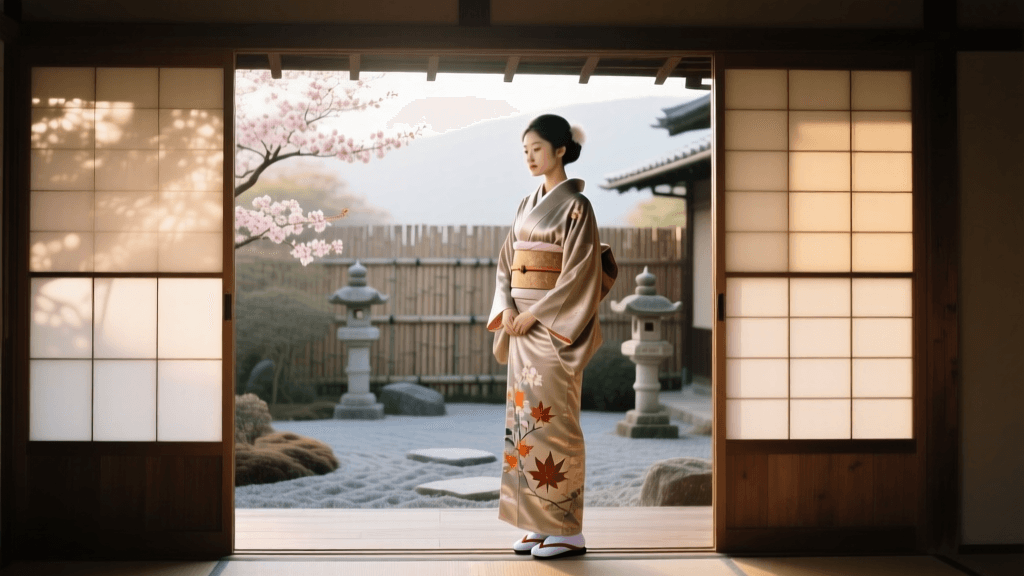
Kyoto remains the undisputed capital of kimono culture. However, as noted by the Kyoto City Tourism Association, the city has implemented new 2026 guidelines to protect the privacy of geisha and maiko in the Gion district. Visitors are encouraged to wear their kimono in the broader Higashiyama preservation district, strolling through the historic streets of Ninenzaka and Sannenzaka, or visiting the serene grounds of Kiyomizu-dera. The cobblestone streets and wooden machiya townhouses provide an unparalleled atmosphere for traditional dress.
2. Kanazawa: The Little Kyoto
For travelers seeking a less crowded but equally historic experience, Kanazawa is the premier destination in 2026. The city's Higashi Chaya district is perfectly preserved, and the nearby Kenrokuen Garden offers meticulously landscaped scenery that changes beautifully with the seasons. Kanazawa is also famous for its Kaga-yuzen dyeing tradition, making it a deeply meaningful place to wear a hand-painted silk kimono.
3. Tokyo: Yanaka and Nezu
If your travels keep you in the capital, avoid the hyper-modern centers like Shibuya when wearing a kimono. Instead, head to the Shitamachi (old town) districts of Yanaka and Nezu. Here, the pace is slower, the streets are lined with traditional shops, and the historic Nezu Shrine offers a beautiful, quiet backdrop that feels worlds away from the neon lights of central Tokyo.
Seasonal Fabric Selection for 2026 Travelers
Japan's distinct seasons dictate not just the scenery, but the very fabric of your wardrobe. Packing the wrong weight of silk can lead to discomfort. If you are traveling in the sweltering summer months of July and August, you must pack ro or sha garments. These are sheer, leno-weave silks that allow for maximum breathability. Pair them with a lightweight linen yukata and a breathable hemp obi.
For spring (cherry blossom season) and autumn (foliage season), woven silks like tsumugi or kasuri are ideal. They are durable, resist wrinkling far better than dyed crepe silks, and offer a rustic elegance that is highly fashionable in 2026. In winter, pack a thick haori (kimono jacket) and consider bringing a plush, fleece-lined hanten for lounging in traditional ryokan inns.
Cultural Etiquette and Respect
Wearing a kimono as a foreign visitor is generally met with warmth and appreciation by the Japanese public, provided it is worn correctly and respectfully. The most critical rule of kimono etiquette is the collar: always wrap the left side over the right side. The reverse (right over left) is strictly reserved for dressing the deceased for burial.
Additionally, ensure your hemline is appropriate. For women, the hem should fall smoothly to the ankles, completely covering the tabi socks. For men, the hem rests slightly higher, just above the ankle bone. Keep your posture upright, take smaller steps, and when sitting, gently smooth the back of your kimono and obi to prevent crushing the delicate silk structures. By packing thoughtfully and wearing your garments with mindfulness, your 2026 journey through Japan will be a profoundly beautiful celebration of Asian textile traditions.