Top Chinese Fashion Blogs Documenting Xiangyunsha Dyeing 2026
The Renaissance of Xiangyunsha in Chinese Fashion Journalism
In the rapidly evolving landscape of 2026, Chinese fashion journalism has undergone a profound transformation. No longer confined to the glossy pages of traditional print magazines, the most influential fashion critique and cultural documentation now thrive on digital platforms like WeChat Official Accounts, Xiaohongshu (RED), and Douyin. At the forefront of this digital renaissance is the meticulous documentation and revival of Xiangyunsha, also known as gambiered Guangdong silk. Often referred to as the 'soft gold' of Chinese textiles, this ancient fabric is experiencing a massive surge in popularity among eco-conscious consumers and luxury enthusiasts alike.
Xiangyunsha is celebrated not just for its rich, dark aesthetic and distinctive rustling sound, but for its deeply sustainable, natural eco-friendly dyeing methods. As global fashion grapples with the environmental impact of synthetic dyes and fast fashion, Chinese fashion bloggers and digital journalists are turning their lenses toward the artisanal workshops of Shunde and Foshan. By bridging the gap between ancient heritage and modern digital storytelling, these content creators are redefining how traditional Chinese clothing is perceived, consumed, and preserved in 2026.
The Digital Vanguard: Who is Covering Heritage Textiles?
The modern Chinese fashion journalist is a hybrid of cultural historian, trend forecaster, and visual stylist. On platforms like Xiaohongshu, a new breed of content creators has emerged, dedicating their feeds entirely to the provenance and styling of traditional garments. These creators are moving beyond superficial outfit-of-the-day posts to produce long-form, investigative video essays and deeply researched photo journals that dissect the 14-step dyeing process of gambiered silk.
According to insights frequently highlighted by Jing Daily, the contemporary Chinese luxury consumer is heavily driven by 'Guochao' (national trend) and a demand for radical transparency in supply chains. Fashion bloggers are answering this call by physically visiting the mud-dyeing fields of Guangdong, livestreaming the arduous labor of the artisans, and verifying the authenticity of the textiles they recommend to their followers. This hands-on, immersive journalism has created a high-trust ecosystem where followers rely on specific creators to guide their investments in heritage garments.
Deconstructing the Dye: How Bloggers Explain the Craft
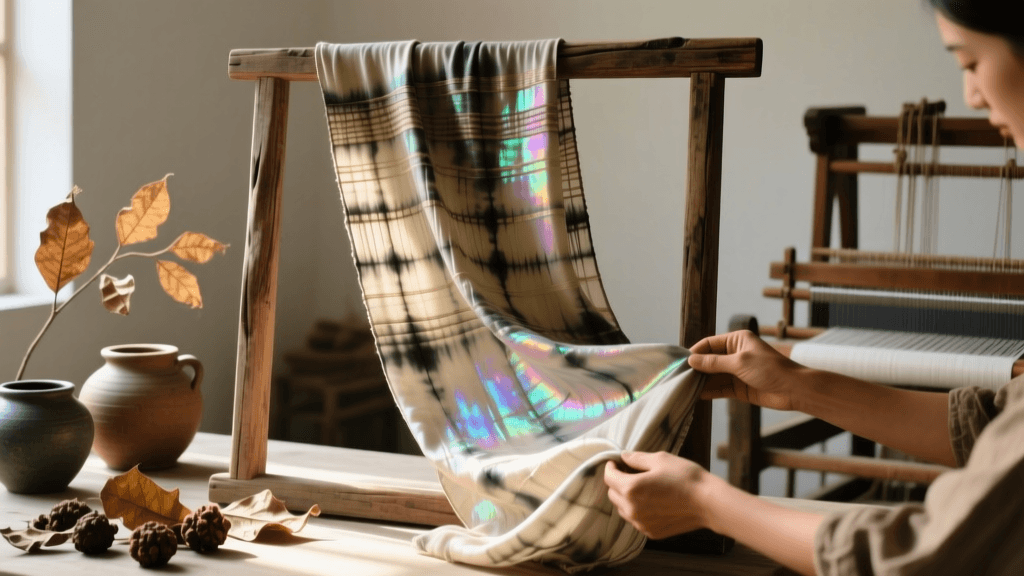
One of the primary reasons Xiangyunsha has captivated the 2026 fashion blogosphere is its remarkably complex, entirely natural dyeing process. Top Chinese fashion educators and textile journalists break down this process for their audiences, emphasizing its zero-waste, eco-friendly profile. The fabric is created using pure mulberry silk, which is repeatedly soaked in the juice of the Dioscorea cirrhosa tuber (a type of yam rich in tannins) and dried under the intense Guangdong sun.
The defining moment of the craft, which bloggers frequently capture in stunning cinematic drone footage, is the mud-coating process. The tannin-soaked silk is smeared with iron-rich river mud harvested from specific local waterways. The chemical reaction between the tannins and the iron creates the fabric's signature dark, lustrous brown-black hue on one side, and a warm, earthy terracotta on the other. Fashion journalists emphasize that this process can only be achieved between March and November, relying entirely on the region's specific humidity, sunlight, and soil composition. This geographical limitation is a major talking point for bloggers explaining the premium pricing of authentic Xiangyunsha in 2026.
Creator Comparison Matrix: Platforms and Perspectives
To understand how traditional Chinese clothing is being marketed and educated to the public, it is essential to look at the different types of content creators dominating the space. Below is a comparison of the primary digital journalism archetypes covering Xiangyunsha this year.
| Creator Archetype | Primary Platform | Content Focus | Audience Demographic |
|---|---|---|---|
| The Heritage Investigator | WeChat Official Accounts | Long-form essays, artisan interviews, historical context, and supply chain transparency. | High-net-worth individuals, textile collectors, cultural academics. |
| The Sustainable Stylist | Xiaohongshu (RED) | Visual lookbooks, modern tailoring integration, capsule wardrobe building, and eco-fashion advocacy. | Urban professionals, eco-conscious millennials, Gen Z fashion enthusiasts. |
| The Artisan Vlogger | Douyin / Bilibili | Cinematic process videos, ASMR mud-dyeing, day-in-the-life of Shunde workshop masters. | Global audience, craft hobbyists, slow-fashion advocates. |
| The Market Analyst | Industry Newsletters | Pricing trends, auction results for vintage pieces, brand collaborations, and retail forecasting. | Fashion buyers, boutique owners, luxury brand strategists. |
Actionable Styling and Care Advice from Top Creators
A significant portion of Chinese fashion journalism dedicated to Xiangyunsha focuses on practical, actionable advice for integrating this traditional fabric into a modern 2026 wardrobe. Because the fabric is stiff when new and possesses a unique drape, stylists on Xiaohongshu frequently share tailoring measurements and styling hacks to ensure the garment flatters contemporary silhouettes.
Modern Tailoring and Sizing
Top bloggers advise against overly tight, restrictive cuts when working with gambiered silk. Because the fabric lacks synthetic stretch and possesses a natural crispness, creators recommend incorporating ease into the measurements. For a modern Xiangyunsha blazer or wide-leg trouser, stylists suggest adding at least 4 to 6 centimeters of ease across the shoulders and hips compared to standard wool tailoring. This allows the fabric to 'breathe' and showcases its architectural drape.
The 2026 Care Protocol
Maintaining the integrity of the natural dyes is a frequent topic of discussion among fashion journalists. The consensus among top textile care bloggers for 2026 includes the following strict protocols:
- Water Temperature: Always use cold water, strictly below 30°C (86°F), to prevent the tannin-iron bonds from weakening.
- Cleansing Agents: Avoid alkaline detergents entirely. Creators recommend using pH-neutral silk washes or even diluted, natural tea-water to maintain the fabric's luster.
- Drying Methods: Never wring the fabric. Bloggers demonstrate the 'towel-roll' method, where the garment is laid flat on a dry, white cotton towel, rolled up to absorb excess moisture, and then hung in a shaded, well-ventilated area.
- Storage: Avoid plastic garment bags. Influencers advocate for unbleached cotton storage bags with natural cedar blocks to deter pests without introducing harsh chemical odors to the porous silk.
The Economic Impact of Digital Journalism on Artisan Communities
The rigorous coverage by Chinese fashion blogs has had a tangible, life-changing impact on the artisan communities in Guangdong. Historically, the grueling nature of the mud-dyeing process led to a severe decline in young apprentices willing to learn the trade. However, the romanticization and educational elevation of the craft by digital journalists have sparked a new wave of interest and financial investment.
As noted by cultural correspondents at the South China Morning Post's fashion desk, the integration of intangible cultural heritage into mainstream luxury discourse has allowed master dyers to command fair-trade prices for their labor. In 2026, authentic, certified Shunde-produced Xiangyunsha retails between 1,200 and 3,000 RMB per meter, a price point sustained by the educated consumer base cultivated by fashion bloggers. Furthermore, the recognition of these techniques on global platforms like UNESCO's Intangible Cultural Heritage registry provides journalists with the authoritative backing needed to combat counterfeit, machine-printed imitations flooding the lower end of the market.
'Our role as fashion journalists in 2026 is no longer just to tell our readers what is beautiful, but to prove why it is vital. When we document the mud-stained hands of a Xiangyunsha master, we are validating a centuries-old ecological science that the modern fashion industry desperately needs to relearn.' — Lead Editor, prominent WeChat heritage fashion publication.
Sourcing Authentic Xiangyunsha: A Blogger's Guide
For international readers and domestic consumers looking to invest in gambiered silk based on the recommendations of Chinese content creators, verifying authenticity is paramount. Top investigative fashion bloggers advise looking for the official geographical indication (GI) certification tags that authenticate the fabric's origin in Shunde. Additionally, creators emphasize the 'crackle test': authentic Xiangyunsha will develop a beautiful, subtle network of fine creases over time, much like the patina on fine leather, whereas synthetic imitations will simply crack and peel.
By championing these rigorous standards, Chinese fashion journalism blogs and Xiaohongshu creators are doing more than just setting trends for 2026. They are acting as the vital custodians of Asian traditions, ensuring that the natural, eco-friendly dyeing methods of traditional Chinese clothing continue to thrive in a modern, globalized wardrobe. Through their lenses, the ancient mud and yam juices of Guangdong are transformed into the ultimate symbols of sustainable luxury.