2026 Hanfu Secondhand Market: Vintage Collecting & Resale Guide
The Evolution of the Hanfu Resale Market in 2026
The Hanfu movement has undergone a remarkable transformation over the last decade, evolving from a niche historical revival into a robust, global fashion ecosystem. As we navigate 2026, the sheer volume of garments produced during the initial boom years has given rise to a highly sophisticated secondhand and vintage resale market. Collectors and enthusiasts are no longer solely reliant on direct-from-manufacturer drops; instead, they are turning to circular fashion models to acquire rare, discontinued, and historically significant pieces. According to the Ellen MacArthur Foundation, the shift toward circularity in traditional and cultural garments has significantly reduced textile waste while allowing heritage crafts to be appreciated across multiple lifecycles.
For modern collectors, the 2026 Hanfu resale market offers a unique opportunity to acquire 'archive' pieces from pioneering indie brands that shaped the early revival, as well as high-end, artisanal reproductions of Ming and Song dynasty garments. However, navigating this market requires a keen eye for authentication, an understanding of historical textiles, and knowledge of current resale valuations.
Ming vs. Song Dynasty Styles: A Collector’s Comparison
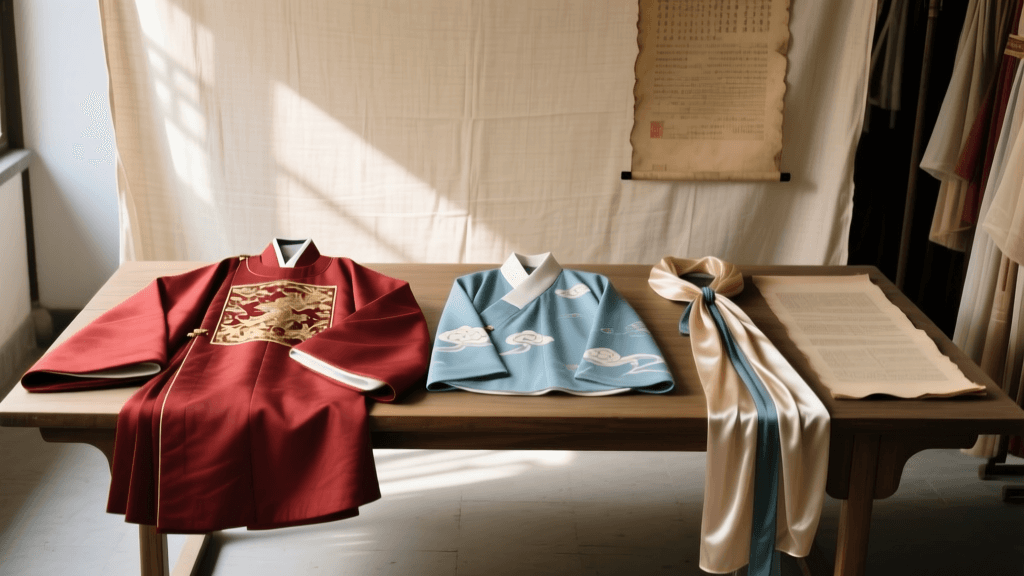
When browsing secondhand platforms in 2026, the majority of high-value collector pieces fall into two primary historical categories: Ming dynasty (1368–1644) and Song dynasty (960–1279) reproductions. Understanding the structural and aesthetic differences between these two eras is critical for accurate valuation and authentication. The Metropolitan Museum of Art notes that Ming textiles are celebrated for their bold motifs, heavy brocades, and structured silhouettes, which contrast sharply with the understated elegance of earlier periods.
Below is a comprehensive comparison chart to help collectors identify and value these distinct styles on the secondary market.
| Feature | Ming Dynasty Reproductions | Song Dynasty Reproductions |
|---|---|---|
| Silhouette | Structured, voluminous, A-line mamianqun (horse-face skirts), standing collars. | Slender, flowing, narrow-sleeved beizi (open-front jackets), pleated skirts. |
| Primary Fabrics | Heavy silk brocade, zhuanghua (woven gold/silver threads), stiff damasks. | Lightweight silk gauze, crepe, soft linen blends, sheer overlays fabrics. |
| 2026 Avg. Resale Price | $150 - $450+ USD (High-end brocade sets) | $80 - $250 USD (Layered sheer sets) |
| Collector Demand | Extremely high for winter/formal sets; mamianqun are the most traded items. | High for summer/layering pieces; prized for intricate, subtle embroidery. |
| Hardware & Closures | Ornate metal clasps, jade buttons, heavy woven ties. | Fabric knot buttons, simple ties, minimal metallic hardware. |
Identifying 'Grail' Pieces and Archive Brands
In 2026, the term 'vintage' within the Hanfu community generally refers to pieces produced by pioneering indie brands between 2015 and 2020. These early runs are highly sought after because they often feature superior, hand-finished embroidery and small-batch weaving techniques that are too cost-prohibitive for modern mass production. Brands such as Ming Hu Tang, Hanfang Yuan, and early Shisanyu collections have achieved 'grail' status among serious collectors.
When evaluating an archive piece, look for the following markers of authenticity and value:
- Brand Tags and Certificates: Early high-end brands included numbered authenticity cards and specific dynasty-research citations on their tags. A complete set with original packaging increases resale value by up to 30%.
- Weave Density: Authentic early brocades feature a dense, raised weave that catches the light dynamically. Modern fast-fashion replicas often use printed patterns or flat, machine-embroidered approximations to mimic the zhuanghua effect.
- Pattern Accuracy: Collectors cross-reference garment motifs with historical artifact databases. Pieces that accurately replicate museum-housed textiles (such as those documented by the Smithsonian Asian Art Museum) command a premium over generic, anachronistic floral designs.
Navigating Secondhand Platforms in 2026
The landscape of Hanfu resale has fragmented into specialized hubs, each catering to different types of buyers and sellers. Knowing where to look is half the battle when hunting for specific vintage pieces.
Xianyu (Idle Fish)
Owned by Alibaba, Xianyu remains the undisputed giant of the Chinese secondhand market. In 2026, the platform has introduced AI-driven authentication assistance and dedicated 'Hanfu Archive' channels. The primary challenge for international collectors is the language barrier and the need for a trusted proxy shopping agent to handle cross-border shipping and payment processing.
Specialized Discord and Reddit Communities
For English-speaking collectors, community-led marketplaces have become the safest way to trade. The r/Hanfu subreddit's monthly megathreads and dedicated Discord servers offer peer-reviewed authentication. Sellers in these spaces often provide detailed measurement charts and high-resolution macro photography of the embroidery, reducing the risk of receiving counterfeit goods.
Depop and Vestiaire Collective
As Hanfu crosses over into global avant-garde fashion, luxury-tier Hanfu pieces are increasingly appearing on Western resale apps like Depop and Vestiaire Collective. Prices here are typically marked up by 20% to 40% compared to domestic Chinese platforms, but buyers benefit from native buyer protection policies and localized shipping.
Authentication and Condition Grading
Because the secondary market is unregulated, establishing a standardized condition grading system is essential for fair pricing. When listing or purchasing vintage Hanfu in 2026, the community adheres to the following grading scale:
- Mint / New With Tags (NWT): Unworn, original tags attached, no storage odors. Commands 90-110% of the original retail price, depending on brand scarcity.
- Excellent: Worn once or twice for photoshoots or brief events. No stains, pulls, or hardware tarnishing. Priced at 70-85% of retail.
- Good: Visible signs of wear, minor snags in the silk, or slight tarnishing on metal clasps. Priced at 40-60% of retail.
- Fair / Study Piece: Significant damage, such as shattered silk (dry rot), deep stains, or missing components. Purchased primarily by textile students or upcyclers for under 20% of retail.
Always request a 'light test' photo for sheer Song dynasty garments to check for silk shattering, and ask for macro shots of the inner lining of Ming dynasty skirts to ensure the pleats have not been compromised by improper ironing.
Preservation and Storage for Vintage Hanfu
Acquiring a rare piece is only the first step; preserving it for future generations is the ultimate responsibility of a collector. Traditional Hanfu textiles, particularly heavy silks and metallic threads, require meticulous care.
Never hang heavy Ming dynasty mamianqun or brocade jackets on wire or thin wooden hangers. The weight of the wet or dry silk will distort the shoulder seams and cause irreversible stretching. Instead, use padded, acid-free hangers or, ideally, store the garments flat in archival-quality textile boxes lined with unbuffered acid-free tissue paper. Fold the garments along their original pleat lines, stuffing the folds with tissue to prevent hard creases that can lead to fiber breakage over time.
For cleaning, avoid modern chemical dry cleaning unless the facility specializes in historical textiles. Most high-end Hanfu should be spot-cleaned with distilled water and a pH-neutral silk detergent, then air-dried flat away from direct sunlight, which will rapidly degrade natural dyes and cause silk proteins to become brittle. By adhering to these preservation standards, collectors ensure that the vibrant legacy of the Hanfu movement remains intact for decades to come.