Kimono vs Hanbok vs Cheongsam: 2026 Fit and Style Guide
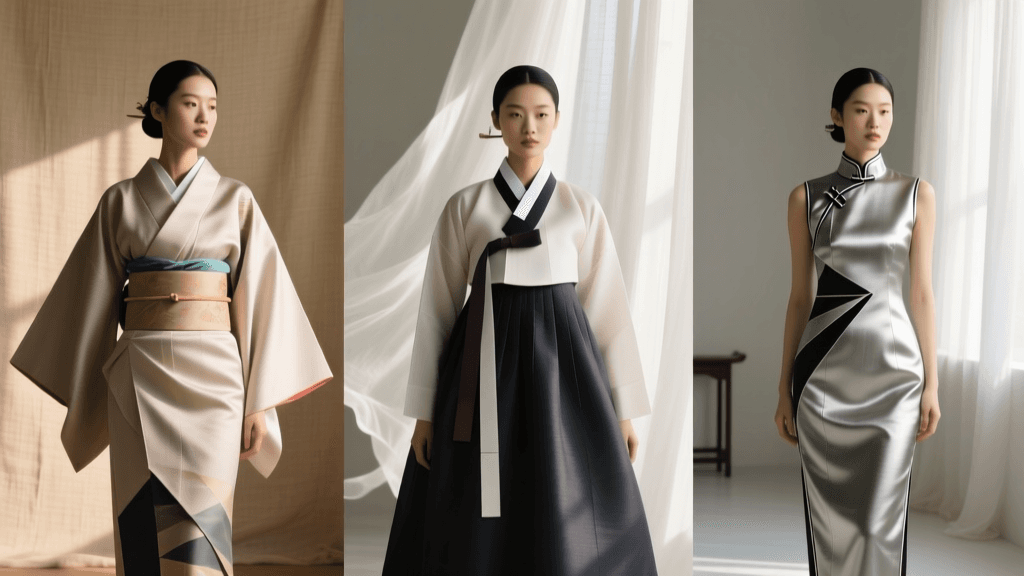
The global fashion landscape in 2026 has fully embraced the intersection of heritage and contemporary wearability. Traditional Asian garments are no longer reserved strictly for ceremonies or historical reenactments; they have evolved into dynamic, everyday statements of cultural pride and sartorial elegance. Whether you are exploring the architectural layers of the Japanese kimono, the volumetric grace of the Korean hanbok, or the sleek, tailored lines of the Chinese cheongsam (qipao), understanding their distinct silhouettes, fabric innovations, and styling rules is essential for the modern wardrobe.
In this comprehensive guide, we break down the structural differences, 2026 textile trends, and practical styling advice for these three iconic garments, helping you choose the perfect piece for your personal aesthetic.
The Kimono: T-Shaped Elegance and Layering
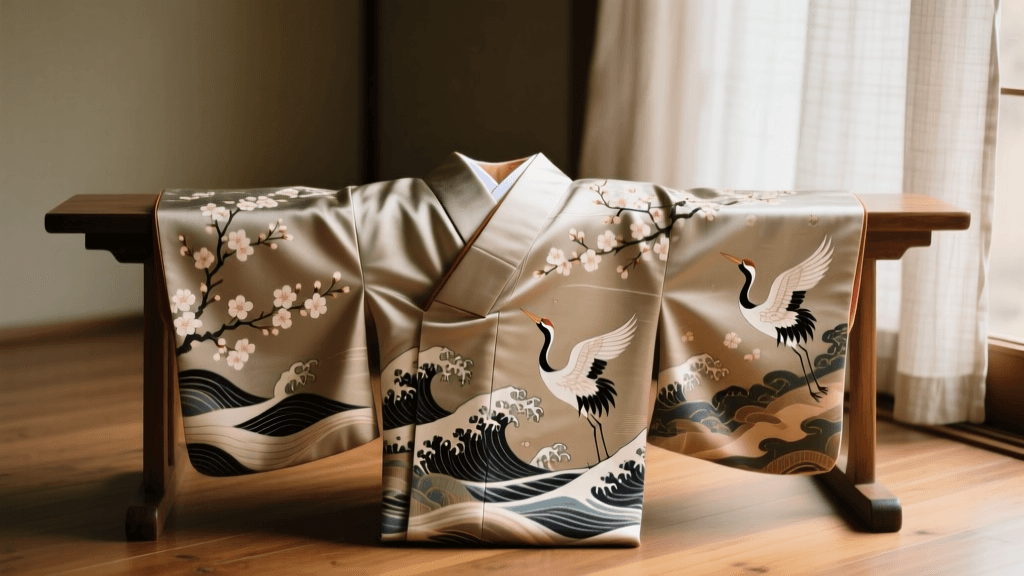
The kimono is defined by its T-shaped, straight-seamed construction. Unlike Western garments that are cut to follow the curves of the body, the kimono wraps around the wearer, creating a cylindrical, elegant silhouette that obscures the natural waistline. The focal point of the outfit is the obi (sash), which dictates the formality and visual weight of the ensemble.
2026 Fabric Innovations and Trends
While traditional yuzen-dyed silk remains the gold standard for formal events, 2026 has seen a massive surge in sustainable and tech-integrated textiles. Washable silk-polyester blends and lab-grown spider silk are now widely used for daily-wear kimono, offering the luster of traditional silk with the durability required for modern urban commuting. Furthermore, upcycled vintage kimono—re-tailored into open-front dusters or paired with wide-leg denim—continues to dominate street style in Tokyo and beyond.
Modern Styling Advice
- Footwear: Swap traditional zori sandals for chunky leather boots or minimalist white sneakers to ground the flowing silhouette.
- Layering: Wear a lightweight, unlined hitoe kimono open over a slip dress or a turtleneck and tailored trousers.
- Obi Alternatives: In 2026, many stylists are replacing formal silk obi with vegan leather belts or braided macramé sashes for a contemporary edge.
The Hanbok: Volumetric Grace and High Waistlines
The traditional Korean hanbok is characterized by its stark contrast between a fitted upper garment and a voluminous lower half. For women, this consists of the jeogori (cropped jacket) and the chima (full, bell-shaped skirt). For men, it is the jeogori paired with baji (roomy trousers). The hanbok's beauty lies in its sweeping lines and the way the fabric catches the air during movement.
The 'Daily Hanbok' Movement
According to cultural archives like the hanbok historical records, the garment has undergone numerous evolutions. The most significant recent shift is the 'saenghwal hanbok' (daily hanbok) movement. In 2026, daily hanbok features shortened jeogori lengths, simplified ties (goreum), and skirts made from lightweight cotton-linen blends or temperature-regulating ramie. These adaptations make the hanbok breathable, machine-washable, and perfectly suited for office environments or casual weekend wear.
Modern Styling Advice
- Proportions: Pair a cropped, modern jeogori with high-waisted, wide-leg linen trousers instead of a traditional chima for a chic, androgynous look.
- Outerwear: The durumagi (traditional overcoat) has been reimagined in 2026 as a sleek, collarless trench coat, perfect for transitional autumn weather.
- Accessories: Complement the high waistline with a modern structural handbag and delicate, contemporary gold jewelry rather than heavy traditional hairpins.
The Cheongsam: Form-Fitting Sophistication
Also known as the qipao, the cheongsam is celebrated for its form-fitting silhouette, high mandarin collar (yuanling), and intricate pankou (frog closures). Originating in the 1920s and evolving through decades of tailoring, the modern cheongsam is a masterclass in structural sewing, designed to highlight the wearer's natural curves while maintaining an air of modest sophistication.
2026 Tailoring and Comfort
Historically, the cheongsam was restrictive, but as noted in historical garment archives, modern tailoring has revolutionized its wearability. In 2026, the integration of four-way stretch crepes, bamboo-silk blends, and modular side-zippers has eliminated the stiffness of older brocades. Designers are also experimenting with A-line and fit-and-flare qipao cuts, which offer the elegance of the mandarin collar without the restriction of a pencil-skirt hemline, making it a favorite for modern professional women.
Modern Styling Advice
- Length Matters: Opt for a midi-length cheongsam that hits just below the calf for daytime versatility; reserve the floor-length, high-slit versions for evening galas.
- Casual Pairings: Wear a sleeveless, cotton-blend cheongsam as a tunic over straight-leg jeans or tailored shorts during the summer months.
- Outerwear: Drape an oversized, structured blazer over the shoulders to contrast the sleek, feminine lines of the qipao with sharp, masculine tailoring.
2026 Silhouette and Fabric Comparison Chart
To help you decide which garment aligns with your lifestyle and aesthetic preferences, refer to the comparison table below detailing the core characteristics of each tradition in the current market.
| Feature | Kimono (Japan) | Hanbok (Korea) | Cheongsam / Qipao (China) |
|---|---|---|---|
| Primary Silhouette | T-shaped, cylindrical, straight seams | Bell-shaped skirt, high waist, cropped jacket | Form-fitting, high collar, side slits |
| 2026 Trending Fabrics | Washable silk-poly blends, upcycled vintage | Tech-ramie, organic cotton-linen, tulle | Stretch crepe, bamboo-silk, matte velvet |
| Average Custom Cost (USD) | $450 - $1,200+ | $250 - $600 | $300 - $800 |
| Fitting Complexity | High (requires professional dressing/kitsuke) | Medium (adjustable ties, easy to wear) | High (requires precise body measurements) |
| Best For | Layering, artistic expression, formal teas | Movement, comfort, festive celebrations | Professional wear, elegant evenings, dining |
Sourcing and Custom Tailoring in 2026
If you are investing in a custom piece this year, accurate measurements are paramount, especially for the cheongsam and the formal kimono. When ordering a bespoke qipao, tailors in 2026 utilize 3D body-scanning apps linked directly to atelier pattern-making software, ensuring the pankou closures sit perfectly flat against the collarbone without gaping. For the kimono, the yuki (sleeve-to-center-back) measurement must be precise to ensure the sleeves fall exactly at the wrist bone when the arms are extended. For the hanbok, the placement of the goreum (chest bow) is adjusted based on torso length to visually elongate the lower body.
Care and Maintenance for Modern Textiles
Proper care ensures these heritage garments last for generations. While 2026's tech-fabrics are more forgiving, traditional elements still require respect.
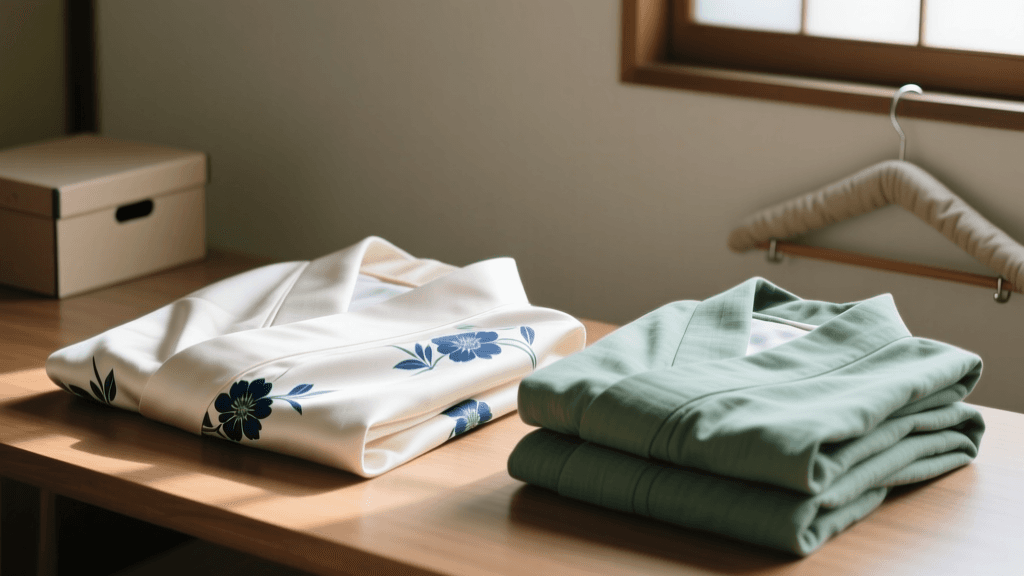
- Storage: Never hang a heavy silk kimono or a structured cheongsam on wire hangers. Use padded, wide-shoulder hangers for the qipao, and fold the kimono along its natural seam lines, storing it in breathable, unbleached cotton covers (tatoushi).
- Humidity Control: Asian textiles are prone to moisture damage. Store your garments in a climate-controlled closet with cedar blocks or silica gel packets to prevent mold and deter insects.
- Cleaning: Even if labeled 'machine washable,' daily hanbok skirts and modern kimono jackets should be washed in mesh bags on a delicate, cold-water cycle, and always air-dried flat to maintain the integrity of the seams and dyes.
Conclusion
Whether you are drawn to the architectural layering of the kimono, the sweeping, joyful volumes of the hanbok, or the sleek, sophisticated tailoring of the cheongsam, 2026 offers more ways than ever to integrate these masterpieces of Asian culture into your daily life. By understanding their unique silhouettes and embracing modern fabric innovations, you can honor centuries of tradition while stepping out in cutting-edge, contemporary style.