Hanfu Coming-Of-Age Rites 2026: Guan Li & Ji Li Ceremony Guide
The 2026 Renaissance of Hanfu Life Milestones
In 2026, the global Hanfu movement has evolved far beyond a fleeting street-fashion trend into a deeply rooted cultural practice centered on life milestones. As younger generations seek meaningful connections to their heritage, traditional coming-of-age ceremonies—specifically the Ji Li (笄礼) for women and the Guan Li (冠礼) for men—have experienced a massive resurgence. No longer confined to historical reenactment societies, these rites are now being hosted by university cultural clubs, specialized heritage venues, and families marking significant birthdays or graduations. According to cultural analyses by BBC Travel, this revival is deeply tied to a modern search for identity, ritual, and societal belonging in a fast-paced digital world.
Planning a coming-of-age ceremony in 2026 requires a careful balance of historical accuracy, logistical precision, and modern aesthetic sensibilities. From sourcing the correct three-tier garment sets to booking the appropriate ritual officiants, this guide provides a comprehensive blueprint for executing a flawless and deeply meaningful Hanfu milestone ceremony.
Ji Li (笄礼): The Women’s Hair-Pinning Ceremony
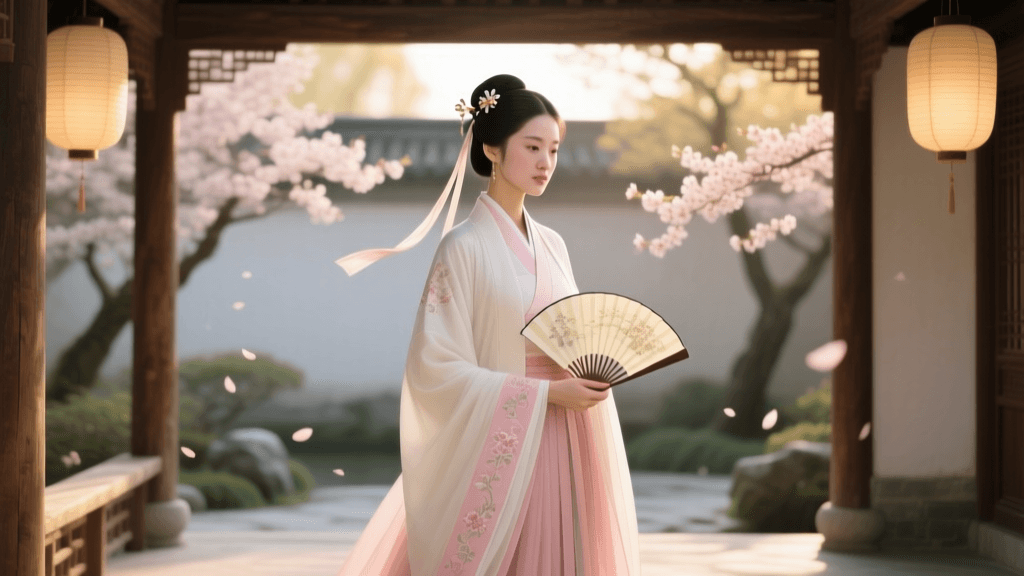
The Ji Li traditionally marks a young woman's transition into adulthood, historically performed at age 15, though in 2026 it is frequently aligned with 18th birthdays or university graduations. The core of the ceremony revolves around the San Jia (Three Additions), where the initiate's hair is styled and adorned three separate times, each accompanied by a specific change in Hanfu attire to symbolize her evolving societal role.
The Three Additions (San Jia) for Women
- First Addition (Chu Jia): The initiate is dressed in a simple, pastel-colored Ruqun (襦裙), typically a Song-dynasty style narrow-sleeve top and pleated skirt. Her hair is tied in simple twin braids or a basic bun, secured with a simple wooden or jade hairpin. This stage symbolizes childhood innocence and purity.
- Second Addition (Er Jia): The hair is restyled into a more mature updo, secured with a silver or gold-plated hairpin. She changes into a Shenyi (深衣), specifically a curved-hem robe that represents grace, modesty, and the growing weight of adult responsibilities.
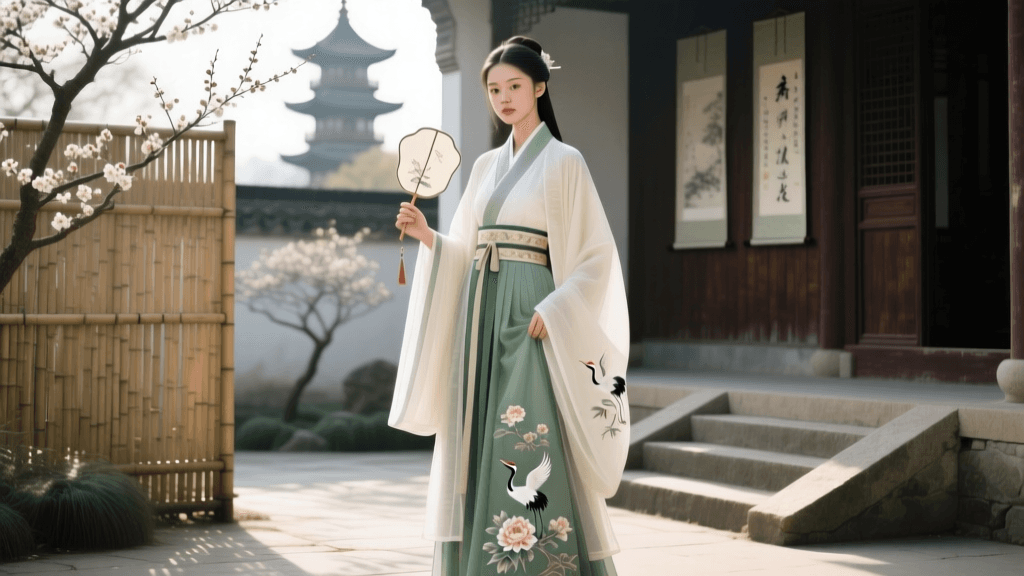
- Third Addition (San Jia): The final and most elaborate stage. The hair is fully pinned with an ornate Ji (笄) and elaborate buyao (步摇) accessories. The initiate dons formal ceremonial wear, such as a Ming Dynasty Diyi (翟衣) or a grand Tang Dynasty Da Xiu Shan (大袖衫) with wide, flowing sleeves. This represents full adulthood, readiness for societal contribution, and respect for ancestral traditions.
Guan Li (冠礼): The Men’s Capping Ceremony
The Guan Li is the male equivalent, traditionally held at age 20. As documented in extensive historical records summarized on Wikipedia's Guan Li archives, the capping ceremony was considered the most vital of all Confucian rites, as it marked the moment a boy was expected to take on the moral and civic duties of a man. In 2026, university Hanfu societies frequently organize group Guan Li ceremonies for male seniors before graduation.
The Three Cappings (San Jia) for Men
- First Capping: The young man wears a simple linen or cotton Shenyi and is presented with a Zhibu Guan (a simple black cloth cap). This signifies the shedding of childhood playfulness and the beginning of disciplined learning.
- Second Capping: He changes into a darker, more structured robe, such as a Lanshan (襕衫) with a black hemline. He is given a Pi Bian (a cap made of leather or stiffened fabric), symbolizing his readiness to participate in martial or civic duties and to protect his community.
- Third Capping: The final stage features grand court or ritual attire, such as a formal Song or Ming dynasty round-collar robe (Yuanlingpao) with a rank badge or intricate weaving. He is presented with a Juebian (a formal ceremonial cap), marking his full acceptance into adult society and his right to participate in ancestral sacrifices and governance.
2026 Garment Sourcing and Budget Breakdown
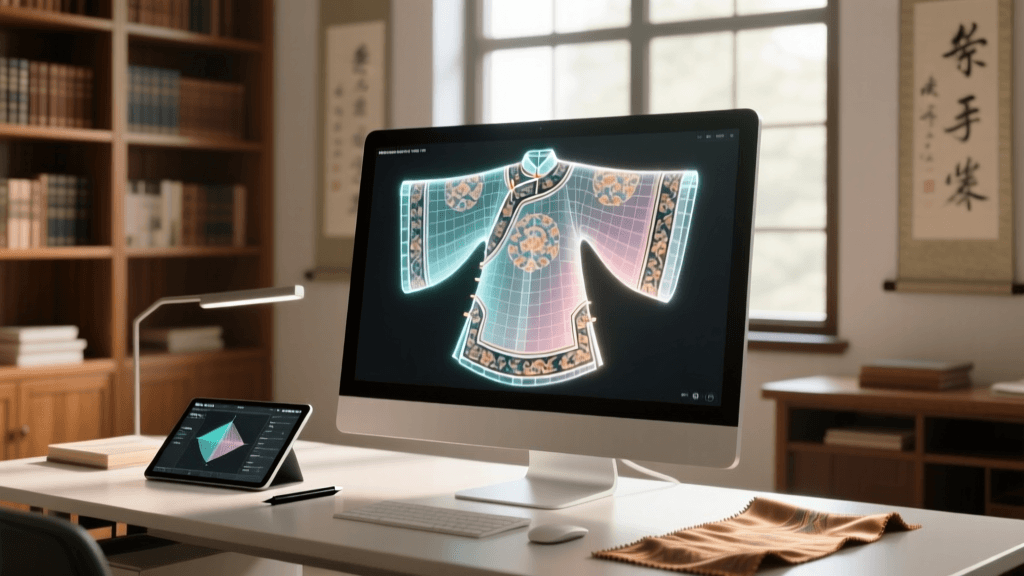
Sourcing authentic, high-quality Hanfu for a milestone ceremony requires navigating a booming 2026 market. While mass-market brands offer accessible entry points, milestone ceremonies demand premium fabrics like real silk, brocade, and hand-embroidered motifs to reflect the gravity of the occasion. Industry reports highlighted by Sixth Tone show that the Hanfu market has heavily segmented into fast-fashion and high-end custom ateliers, making budget planning essential for families and student groups.
| Budget Tier | Garment Configuration (All 3 Stages) | 2026 Estimated Cost (USD) | Sourcing Strategy & Brands |
|---|---|---|---|
| Entry-Level | Polyester-blend Ruqun, basic Shenyi, printed Da Xiu Shan | $250 - $450 | Taobao/WeChat Mini-programs (e.g., Shisan Yu, Lancolor) |
| Mid-Tier | Silk-blend Ruqun, woven Shenyi, embroidered Ming Aoqun | $600 - $1,200 | Specialized studios (e.g., Chonghui Hantang, Tingyue Fengming) |
| Premium / Custom | 100% Mulberry silk, real gold-thread embroidery, custom-fit Ming Diyi or formal court wear | $2,500 - $6,000+ | High-end ateliers (e.g., Ming Huatang, Sifang Jia, custom Chengdu tailors) |
Pro-Tip for 2026: If ordering from premium ateliers like Ming Huatang, lead times can stretch from 4 to 8 months due to hand-embroidery queues. For a summer graduation ceremony, orders must be placed in the winter of the preceding year.
Essential Roles and Ceremony Logistics
A traditional coming-of-age ceremony is not a solo endeavor; it requires a structured cast of characters to perform the rites correctly. When planning your 2026 event, you must secure the following roles:
- Zan Li (赞礼 - Master of Ceremonies): The narrator and director of the ritual. They chant the traditional blessings and guide the initiate through the kneeling, bowing, and changing phases. In 2026, professional Zan Li can be hired through cultural heritage agencies in major cities like Xi'an, Hangzhou, and Chengdu for roughly $150 to $300 per event.
- Zheng Bin (正宾 - Honored Guest/Officiant): A respected elder, professor, or community leader chosen for their moral character and societal achievements. The Zheng Bin is the one who physically washes the initiate's hands, places the hairpins or caps, and offers the ceremonial wine.
- You Zhe (有司 - Attendants): Usually 2 to 3 peers or younger siblings who carry the trays holding the garments, hairpins, and wine cups. They assist the initiate in changing behind the ceremonial screen (Pingfeng).
The Ritual of the Sweet Wine and Naming
Following the third clothing change, the initiate is presented with a cup of sweet fermented rice wine (Li Jiu). After drinking, the Zheng Bin bestows a Zi (字), or courtesy name, upon the initiate. This courtesy name is used by peers and society, marking the transition from a child known only by their given name to an adult integrated into the social fabric. Many modern participants in 2026 spend months researching classical poetry to select a meaningful courtesy name prior to the event.
Venues and Modern Adaptations for 2026
The ambiance of the venue is critical to the solemnity of the Guan Li and Ji Li. While historical reenactors once relied on public parks, the 2026 landscape offers highly specialized venues tailored for traditional rites.
Top Venue Choices
- Confucius Temples (Wen Miao): Many city-level Confucius temples now offer dedicated ritual courtyards for rent. These spaces provide authentic stone terraces, bronze incense burners, and ancestral halls that elevate the ceremony's gravitas.
- Traditional Gardens and Museums: Venues like the Suzhou Museum grounds or private classical gardens offer stunning architectural backdrops featuring moon gates, koi ponds, and timber pavilions, perfect for the photographic documentation that is vital for modern families.
- University Heritage Halls: With the institutional backing of traditional culture departments, many top-tier universities have built dedicated 'Rites and Music' halls specifically for student coming-of-age and graduation ceremonies.
Modern Adaptations
While the core liturgy remains rooted in the Yili (Book of Etiquette and Ceremonial), 2026 adaptations acknowledge modern realities. For instance, the traditional animal sacrifices have been entirely replaced with offerings of seasonal fruits, grains, and tea. Furthermore, bilingual Zan Li scripts are now widely available for international students or diaspora families hosting ceremonies in North America, Europe, or Southeast Asia, ensuring that non-Chinese-speaking relatives can follow the profound symbolism of the rite.
Conclusion: A Bridge Between Eras
Executing a Hanfu coming-of-age ceremony in 2026 is a profound statement of cultural continuity. Whether it is a young woman receiving her jade hairpin in a serene Hangzhou garden, or a young man donning his formal cap before his university cohort, the Ji Li and Guan Li offer a rare moment of pause. They force us to look beyond the immediacy of modern life and anchor ourselves in the enduring values of responsibility, respect, and heritage. By carefully selecting authentic garments, honoring the ritual roles, and embracing the solemnity of the occasion, participants forge an unforgettable milestone that honors the past while stepping confidently into the future.