2026 Hanfu Milestone Rites: Coming-of-Age & Wedding Guide
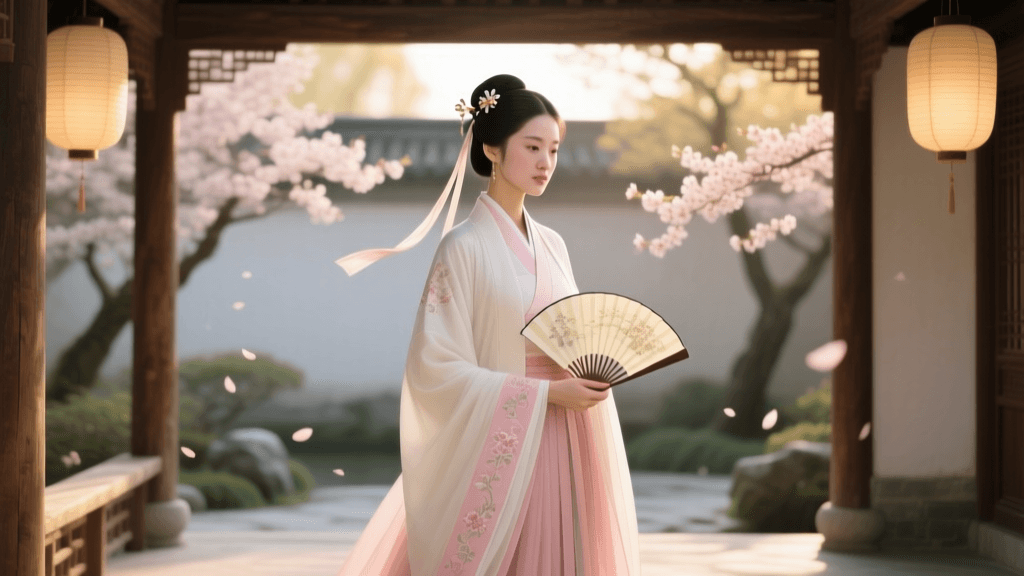
The Resurgence of Hanfu in Life Milestones
As we navigate through 2026, the Hanfu movement has evolved from a niche historical hobby into a deeply embedded cultural practice, particularly concerning life milestone ceremonies. Traditional Chinese garments are no longer reserved solely for museum exhibitions or casual street fashion; they have become the definitive attire for life’s most pivotal transitions. From coming-of-age rituals to weddings and university graduations, Hanfu provides a tangible link to ancestral heritage. According to cultural preservation frameworks outlined by the UNESCO Intangible Cultural Heritage initiatives, the revival of traditional rites of passage plays a critical role in maintaining cultural continuity in a rapidly modernizing world.
This comprehensive guide explores the specific garments, ceremonial steps, and 2026 market trends for hosting or participating in Hanfu milestone ceremonies. Whether you are planning a traditional Ji Li (coming-of-age for women), a Guan Li (coming-of-age for men), or a grand Ming-dynasty-inspired wedding, understanding the sartorial and ritualistic requirements is essential for an authentic experience.
Guan Li and Ji Li: The Coming-of-Age Ceremonies
Historically, the transition from childhood to adulthood was marked by profound ceremonial weight. For young men, the Guan Li (capping ceremony) at age 20 signified the assumption of societal and familial responsibilities. For young women, the Ji Li (hair-pinning ceremony) at age 15 marked their eligibility for marriage and their entry into adult society. In 2026, these ceremonies have seen a massive revival among high school and university students seeking to honor their heritage with formal, family-attended events.
The Ritual of Sanjia (Three Additions)
The core of both the Guan Li and Ji Li is the Sanjia, or the three successive changes of clothing, each symbolizing a deeper level of maturity and responsibility. The National Museum of China archives detail how these historical layers were strictly codified by social rank, but modern 2026 adaptations focus on the symbolic transition rather than feudal class distinctions.
- First Addition (Chufu): A simple, unlined cotton or linen robe (often a Zhiduo or basic Ruqun). This represents the innocence of childhood and the foundational virtues of humility and filial piety.
- Second Addition (Zaifu): A more structured, darker-colored garment, such as a Shenyi (deep robe) or a formal Banbi. This symbolizes the individual's growing discipline, educational pursuits, and readiness to contribute to society.
- Third Addition (Sanfu): The most formal attire, typically a heavily embroidered Daxiushan (large-sleeved robe) or a formal Ming-style Aoqun. This final layer represents full adulthood, civic duty, and the capacity to lead a household.
2026 Pricing and Sourcing for Coming-of-Age Rites
The market for ceremonial Hanfu has matured significantly. In 2026, renting a complete, high-quality three-tier Ji Li package in cultural hubs like Xi'an, Chengdu, or Hangzhou averages between 600 and 1,200 RMB ($85 to $170 USD), which includes professional hairpinning by a stylist and venue access. For families opting for bespoke, made-to-measure garments to keep as heirlooms, a complete silk Sanjia set from premium Taobao artisans or physical boutiques in Suzhou typically costs between 4,500 and 8,000 RMB ($630 to $1,120 USD), reflecting the rising cost of authentic mulberry silk and hand-embroidery.
Hanfu Weddings: Blending Tradition with Modernity
Weddings represent the most elaborate and visually stunning application of Hanfu in contemporary life. While the Tang and Song dynasties offer vibrant and elegant silhouettes, the Ming dynasty style remains the undisputed favorite for 2026 Hanfu weddings. The Ming aesthetic, characterized by its dignified, structured cuts and auspicious motifs, aligns perfectly with the solemnity of the marital union.
The Fengguan Xiapei and Xin Zhongshi Influences
The quintessential bridal ensemble is the Fengguan Xiapei (phoenix crown and cloud scarf). In 2026, the Xin Zhongshi (New Chinese Style) movement has subtly influenced bridal wear, introducing lighter, more ergonomic materials for the heavily beaded crowns and integrating hidden modern structural supports into the voluminous skirts. Brides often wear a red or deep crimson Mangao (python jacket) or a Dahuang (great yellow/empress-style robe) adorned with woven gold thread (Zhuanghua). Grooms typically don a dark blue or black Ming-style round-collar robe (Yuanlingpao) with a Wusha hat or a formal Liangmao, featuring embroidered Qilin or crane motifs symbolizing longevity and nobility.
The Ceremonial Steps: Jiaobei and Huanjue
A traditional Hanfu wedding is not merely a photo opportunity; it is a sequence of sacred rites. The most critical include:
- Qin Ying (Welcoming the Bride): The groom travels to the bride's home, presenting a ceremonial wild goose (now often replaced by a wooden carving or jade figurine in 2026 urban ceremonies) to symbolize fidelity and punctuality.
- Dianzan (Hair Pinning): A brief ritual where the bride's hair is styled into the formal adult updo, securing the Fengguan.
- Jiaobei (Cross-Cupping): The couple drinks from two halves of a single gourd, symbolizing their inseparable union and shared destiny.
- Huanjue (Exchange of Tokens): The couple exchanges jade pendants or silk sachets, a practice heavily documented in the Metropolitan Museum of Art Asian Art Collection, which houses numerous Ming and Qing dynasty marital tokens.
Comparative Guide: Dynastic Styles for 2026 Milestones
Choosing the right historical period for your milestone ceremony depends on the desired aesthetic, climate, and symbolic meaning. Below is a comparison of the most popular dynastic styles utilized in 2026 ceremonies.
| Dynasty | Key Milestone | Primary Garment | Aesthetic & Vibe | 2026 Avg. Bespoke Cost (USD) |
|---|---|---|---|---|
| Tang | Graduations / Festivals | Qixiong Ruqun / Yuanlingpao | Vibrant, cosmopolitan, flowing | $400 - $800 |
| Song | Ji Li / Ancestral Rites | Beizi / Songku | Minimalist, elegant, scholarly | $350 - $650 |
| Ming | Weddings / Guan Li | Aoqun / Fengguan Xiapei | Majestic, structured, auspicious | $1,200 - $3,500+ |
| Wei/Jin | Artistic Portraits | Zhajia / Daxiushan | Ethereal, romantic, unrestrained | $300 - $500 |
University Graduations and Modern Ancestral Rites
One of the most defining cultural shifts of the mid-2020s is the widespread adoption of Hanfu for university graduation ceremonies. By 2026, it is common to see entire graduating classes at major Chinese universities donning Song or Ming-style academic robes. The Song dynasty Lanshan (a scholar's robe) has become particularly popular for male graduates, while female graduates favor the refined Song-style Beizi paired with pleated skirts, projecting an aura of academic achievement and intellectual heritage.
Similarly, ancestral rites (Jisi), particularly during the Qingming and Zhongyuan festivals, have seen a return to formal Hanfu. Families gathering at ancestral halls increasingly wear subdued, unembroidered Shenyi or Zhiduo in earth tones, navy, or charcoal, reflecting the solemnity and respect required for communing with forebears. The emphasis here is on modesty, natural fabrics like raw silk and linen, and strict adherence to traditional left-over-right collar wrapping (Jiaoling Youren).
Sourcing, Fitting, and Garment Care for Ceremonial Wear
Procuring authentic ceremonial Hanfu in 2026 requires an understanding of fabric drape, historical accuracy, and proper maintenance. The Xin Zhongshi movement has pushed manufacturers to improve the internal structuring of garments, but traditional care remains paramount.
Measurements and Tailoring
Unlike Western formalwear, Hanfu relies heavily on the drape and the relationship between the fabric and the body's movement. When ordering bespoke ceremonial wear, tailors will require not just standard bust, waist, and hip measurements, but also the Tongxiu (full arm span from wrist to wrist) and the desired Qun Chang (skirt length relative to the ankle bone). For a Ming dynasty Mamianqun (horse-face skirt), the waist measurement must be exact to ensure the flat front panels do not gape during the deep bows required in ceremonial rites.
Storage and Maintenance
Ceremonial garments, especially those featuring metallic thread weaving (Zhijin) or delicate silk gauze (Luo), demand meticulous storage.
- Avoid Wire Hangers: Heavy Ming-style Ao (jackets) and wedding robes must be stored flat or folded with acid-free tissue paper to prevent shoulder distortion and stress on the silk fibers.
- Climate Control: Silk is highly susceptible to humidity. Store heirloom pieces in cedar chests or breathable cotton garment bags with silica gel packets, maintaining a humidity level around 45-50%.
- Cleaning: Never machine wash or aggressively dry-clean heavily embroidered Fengguan Xiapei sets. In 2026, specialized Hanfu conservation cleaners in cities like Hangzhou and Suzhou offer ozone and gentle solvent cleaning services specifically calibrated for antique-style metallic threads and natural dyes.
Conclusion
The integration of Hanfu into life's major milestones in 2026 is a profound testament to the enduring power of cultural memory. Whether you are pinning the hair of a young woman entering adulthood, exchanging jade tokens in a Ming-style wedding, or walking across a graduation stage in a scholar's robe, these garments transform fleeting moments into timeless rituals. By understanding the historical context, selecting the appropriate dynastic styles, and caring for these textiles properly, participants ensure that the legacy of Asian sartorial traditions continues to thrive for generations to come.