Hanfu Secondhand Market 2026: Vintage Collecting & Resale Guide
The Evolution of the Hanfu Secondhand Market in 2026
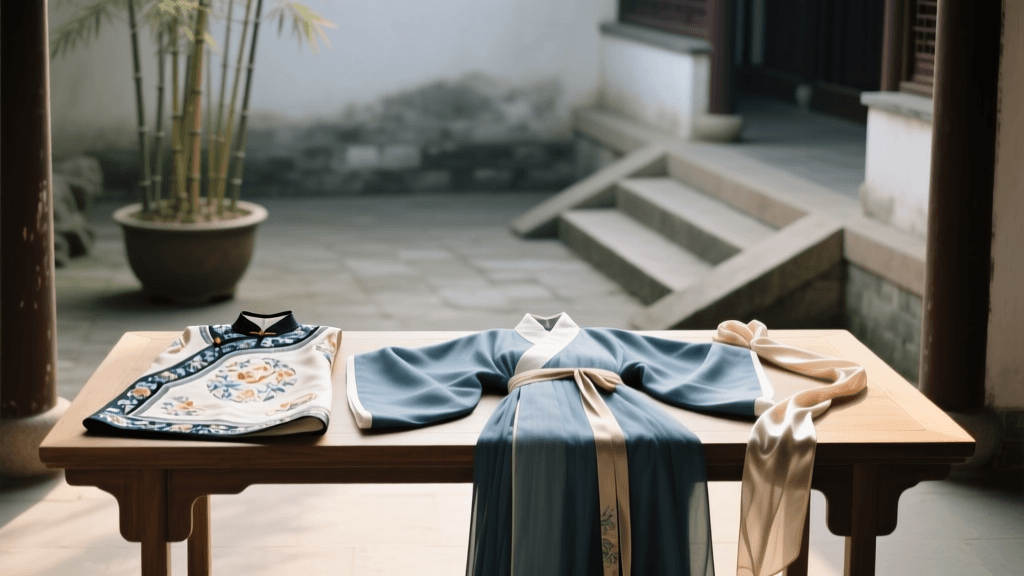
As we navigate the fashion landscape of 2026, the circular economy for traditional Chinese clothing has matured into a highly sophisticated global market. What began in the early 2010s as a niche grassroots hobby has exploded into a multi-billion-dollar industry. Today, the Hanfu secondhand market is no longer just a place to offload ill-fitting garments; it is a thriving ecosystem for vintage collectors, textile historians, and sustainable fashion enthusiasts. The broader cultural resurgence, widely documented in the Hanfu movement, has transitioned from a revivalist subculture into a mainstream sartorial staple, driving immense demand for both historical accuracy and early-era "vintage" reproductions.
In 2026, collectors are actively hunting for two distinct categories: "First-Generation" vintage Hanfu (produced between 2010 and 2015, prized for their nostalgic value and historical significance to the movement) and "Artisan-Grade" secondhand pieces from premium ateliers like Minghuatang and Shisanyu, which frequently sell out in minutes and immediately appreciate in value on the resale market.
Top Platforms for Hanfu Resale and Collecting
Finding authentic secondhand Hanfu requires knowing where to look. The market is segmented across domestic Chinese platforms and international vintage communities.
Xianyu (Idle Fish)
Xianyu remains the undisputed king of the Hanfu resale market. In 2026, the platform has integrated advanced AI textile analysis tools that allow sellers to upload macro-lens photos of fabric weaves, helping buyers verify silk authenticity before purchasing. When searching on Xianyu, use specific keywords like Minghuatang (明华堂) for premium Ming dynasty styles, or Gu Chu (古初) for early vintage reproductions.
Depop and Vestiaire Collective
For Western collectors, Depop has become a hub for Tang and Song dynasty-inspired streetwear Hanfu, while Vestiaire Collective has recently opened a dedicated "Global Heritage" category, featuring high-end, authenticated silk Mamianqun (horse-face skirts) and embroidered jackets.
Reddit and Discord Communities
The r/Hanfu subreddit and specialized Discord servers act as vital escrow and authentication hubs. In 2026, community-led "auth-check" threads are essential for verifying the provenance of rare, limited-run collaborative pieces before money changes hands.
Authenticating Vintage and Secondhand Hanfu
Authentication in the Hanfu market goes beyond checking brand tags; it requires an understanding of traditional garment construction. According to historical baselines established by institutions like the Metropolitan Museum of Art, traditional Ming dynasty garments are characterized by specific structural elements that modern fast-fashion replicas often ignore.
Key Authentication Markers
- Flat Pattern Cutting (Pingmian Caijian): Authentic Hanfu is cut in two dimensions without darts or shoulder slopes. The garment relies entirely on the drape and the wearer's body to create its shape. If a secondhand listing shows tailored shoulder seams or bust darts, it is a modern theatrical costume, not traditional Hanfu.
- Seam Finishing: High-end artisan pieces feature hand-rolled hems, hidden stitches, and traditional bound seams. Mass-market fast-fashion Hanfu will feature visible serged (overlocked) edges inside the garment.
- The Cross Collar (Jiaoling Youren): The left lapel must always cross over the right. Vintage pieces from reputable makers will have reinforced inner ties (ji) to maintain this structure securely without relying on modern snaps or Velcro.
- Fabric Burn Tests: For unbranded vintage silk pieces, buyers often request a burn test of a loose thread. Genuine mulberry silk will burn slowly, smell like singed hair, and leave a crushable black ash, whereas polyester blends will melt into a hard, plastic bead.
2026 Pricing Trends: What Holds Value?
The resale value of Hanfu in 2026 is dictated by brand prestige, historical accuracy, fabric composition, and condition. Below is a comprehensive pricing guide for the most sought-after secondhand categories this year.
| Garment Type & Era | Brand / Maker Category | Condition Grade | 2026 Avg Resale Price (USD) | Collector Demand |
|---|---|---|---|---|
| Ming Dynasty Aoqun (Silk) | Premium Atelier (e.g., Minghuatang) | Mint / Archival | $900 - $2,200 | Extremely High |
| Song Dynasty Beizi (Ramie/Linen) | Independent Artisan | Excellent | $180 - $350 | High |
| Mamianqun (Jacquard Silk Blend) | Mid-Tier Commercial Brand | Good / Light Wear | $75 - $140 | Moderate |
| First-Gen Ruqun (Polyester) | Early 2010s Taobao Pioneers | Fair / Vintage | $50 - $120 | Niche (Nostalgia) |
| Mass-Market Hanfu Elements | Fast Fashion / Costume | Varies | $15 - $30 | Low |
Note: Prices reflect the global market average as of Q1 2026. Rare colorways or limited-edition zodiac collaborations can fetch 30-50% above these averages.
Sizing and the Flat-Lay Measurement Guide
One of the most common pitfalls in the Hanfu secondhand market is sizing. Because traditional garments lack stretch and are cut flat, standard Western sizing (S, M, L) is virtually useless. When buying or selling on platforms like Xianyu or Depop in 2026, providing and requesting "Pingpu" (flat-lay) measurements is mandatory.
Essential Measurements for Resale Listings
- Shoulder Width (Jian Kuan): Measured straight across the back from sleeve seam to sleeve seam. Since Hanfu often features drop shoulders, this measurement dictates where the sleeve break will fall.
- Sleeve Length (Xiu Chang): Measured from the center back of the collar, across the shoulder, down to the cuff. This is crucial for determining if the sleeves will achieve the traditional "covering the hands" aesthetic.
- Skirt Waist (Yao Wei): For wrap skirts like the Mamianqun, the total flat width must be at least 1.5 to 2 times the wearer's actual waist measurement to allow for the traditional overlapping pleats.
- Skirt Length (Qun Chang): Measured from the top of the waistband to the hem. Buyers must compare this against their waist-to-floor measurement to ensure the skirt does not drag on the ground, which severely damages vintage hems.
Red Flags in Secondhand Listings
While the 2026 market is more regulated than in previous years, buyers must remain vigilant against altered or misrepresented garments. Avoid listings that feature:
- Modern Alterations: Sellers who have taken in the waist or added modern darts to "improve the fit" have fundamentally destroyed the garment's structural integrity and historical value.
- Replaced Hardware: Vintage metal buttons or traditional knot ties (pankou) that have been replaced with modern plastic toggles or hidden zippers.
- "Studio Only" Photography: If a seller refuses to provide natural-light photos of the fabric grain, inner seams, and hem condition, they may be hiding moth damage, dry rot, or synthetic fabric blends.
Archival Care and Conservation
Collecting vintage Hanfu is an investment in textile history. Proper conservation is required to maintain the resale value of silk, brocade, and ramie pieces. In 2026, top collectors utilize museum-grade storage methods at home.
- Acid-Free Storage: Never store vintage silk on wire hangers or in plastic dry-cleaning bags. Garments should be folded with acid-free, unbuffered tissue paper to prevent permanent crease lines and fiber breakage.
- Climate Control: Maintain a storage environment with 50% relative humidity. Fluctuations in humidity cause natural silk fibers to expand and contract, leading to the shattering of antique brocades.
- Cleaning Protocols: Never machine wash or dry clean vintage Hanfu. Dry cleaning solvents strip natural sericin from silk. Spot clean with distilled water and a pH-neutral textile detergent, or consult a professional textile conservator for heavily soiled artisan pieces.
Final Strategies for the 2026 Collector
Whether you are liquidating a collection or hunting for a grail piece, success in the 2026 Hanfu secondhand market requires patience and meticulous documentation. Always keep original packaging, authenticity cards, and brand tags, as these provenance markers can increase a garment's resale value by up to 25%. By respecting the traditional construction and embracing the circular fashion economy, collectors ensure that these magnificent garments continue to be worn, studied, and cherished for generations to come.