2026 Hanfu Secondhand Market: Vintage Collecting & Resale Guide
The Evolution of Hanfu Vintage in 2026
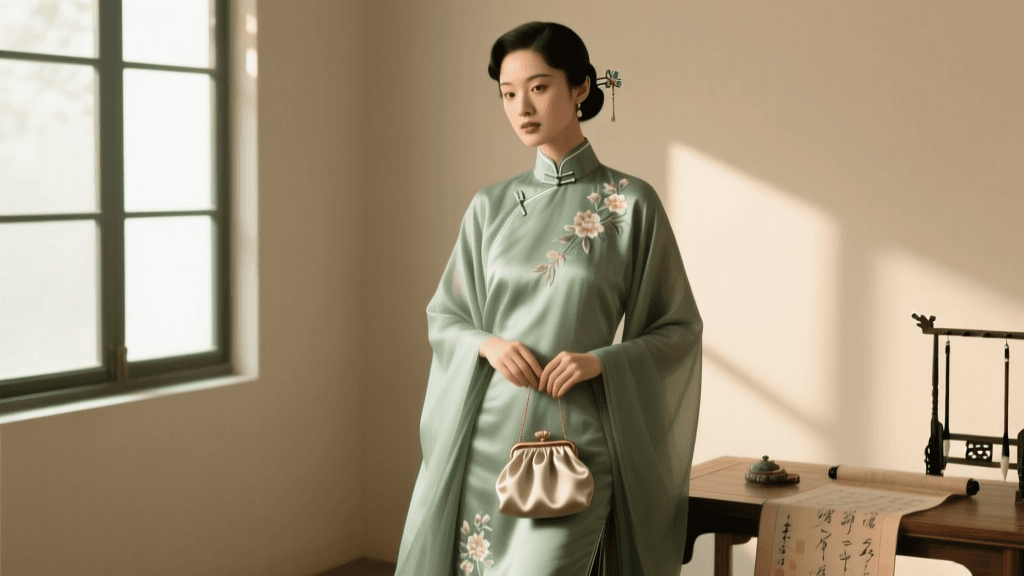
The Hanfu renaissance has matured significantly by 2026. What began as a grassroots cultural movement in the early 2000s has evolved into a sophisticated, multi-billion-dollar global fashion sector. With this industry maturity comes a thriving, highly specialized secondary market. For collectors and enthusiasts, the Hanfu secondhand market is no longer just a place to find discounted modern garments; it has become a vital archive of cultural history. Today, early revival pieces are highly sought after, transforming the landscape of traditional Chinese garment collecting.
According to cultural historians tracking the Hanfu movement, the early 2000s marked a period of intense experimentation. Pioneering designers and hobbyists worked with limited historical references and modern textile alternatives to reconstruct ancient silhouettes. By 2026, these foundational garments have achieved 'vintage' status, prized not necessarily for their historical accuracy, but for their immense cultural significance in launching a global sartorial revolution.
Defining 'Vintage' in the Hanfu Context
In Western fashion, the term 'vintage' typically denotes garments that are at least 20 years old. However, the Hanfu market operates on a compressed, highly specific timeline. Collectors in 2026 categorize secondhand Hanfu into three distinct eras:
- First Wave Revival (2003-2012): The true 'vintage' of the Hanfu world. These pieces were often handmade by early enthusiasts or produced by the very first commercial Hanfu brands. They feature experimental flat-cutting, heavier synthetic brocades, and sometimes inaccurate historical proportions, but they hold archival value.
- Mid-Revival Era (2013-2018): Characterized by the establishment of major brands, improved textile sourcing, and the introduction of the 'Wei Jin' and 'Ming Dynasty' aesthetic booms. These are highly wearable and widely traded.
- Modern Mass-Market (2019-2025): Fast-fashion Hanfu, daily-wear adaptations, and highly accurate museum-grade replicas. The secondhand market for these is driven by size availability and discontinued colorways rather than historical rarity.
Navigating the 2026 Secondhand Platforms
Sourcing authentic vintage Hanfu requires knowing where to look. The digital landscape for traditional garment resale has consolidated around a few key platforms.
Xianyu (Idle Fish)
Owned by Alibaba, Xianyu remains the undisputed king of the Chinese secondhand market in 2026. For international collectors, navigating Xianyu requires specific keyword strategies. Searching for '绝版' (out of print/discontinued), '古早' (early/vintage), or '初代' (first generation) will filter out modern fast-fashion listings and surface rare First Wave pieces. Xianyu's 2026 algorithm also heavily favors sellers with verified 'Zheng' (orthodox) credentials, making it safer for buyers avoiding counterfeit listings.
WeChat Private Collector Groups
For high-end, museum-quality First Wave pieces, transactions rarely happen on public apps. Elite collectors operate within invite-only WeChat Mini-Programs and private groups. Accessing these requires networking on platforms like Xiaohongshu (RED) and building a reputation as a serious archivist. Pieces from defunct pioneer brands like early Ming Hua Lu runs often trade hands here for thousands of dollars.
Global Platforms: Depop and Reddit
For collectors outside of Asia, Depop and the r/Hanfu subreddit have become vital hubs. While the selection is smaller, these platforms offer buyer protection and eliminate the need for complex proxy shipping agents. In 2026, many Western-based Hanfu enthusiasts are liquidating their early collections, creating a secondary market ripe for international buyers.
The 'Zheng' vs 'Shan' Debate in the Secondary Market
No discussion of the Hanfu resale market is complete without addressing the 'Zheng' (orthodox/original) versus 'Shan' (shan-zhai/knockoff) dynamic. In the primary market, buying 'Shan' is heavily stigmatized to protect independent designers. However, the 2026 vintage market has introduced a fascinating paradox.
Many First Wave brands from 2005-2010 went bankrupt or pivoted to modern fashion. Consequently, some 'Shan' pieces produced in the late 2000s are now the only surviving examples of specific historical patterns and textile weaves. Serious collectors in 2026 sometimes acquire these early knockoffs purely for textile research and pattern drafting, provided they are transparently listed as historical 'Shan' rather than deceptive fakes.
Authentication and Quality Assessment
When evaluating a vintage Hanfu listing in 2026, collectors must look beyond the seller's description. Here is a practical checklist for authenticating First and Second Wave garments:
- Seam Allowances and Construction: Early revival Hanfu often features modern sewing techniques, such as invisible zippers, modern darts, and serged edges. True historical recreation (which became standard post-2015) relies on flat-cutting, hidden ties, and bound edges. The presence of a zipper is an immediate indicator of a pre-2012 vintage piece.
- Textile Composition: First Wave garments heavily utilized polyester blends and stiff synthetic brocades because authentic mulberry silk and traditional 'luo' (gauze) weaves were largely inaccessible to early hobbyists. A burn test (if a fabric swatch is provided) or a close-up macro photo of the weave can confirm synthetic origins, verifying its early revival status.
- Hardware and Trims: Early pieces often feature mass-produced, stamped metal clasps or modern plastic buttons disguised as jade. Hand-carved toggles and woven knot buttons became standard only in the Mid-Revival era.
2026 Pricing Guide and Investment Matrix
The valuation of secondhand Hanfu has stabilized in 2026, with clear price brackets established by collector consensus. Below is the current market matrix for resellers and buyers:
| Era / Category | Defining Characteristics | 2026 Average Resale Price (USD) | Collector Demand |
|---|---|---|---|
| First Wave (2003-2012) | Experimental cuts, synthetic brocades, modern zippers, high archival value. | $300 - $1,500+ | Extremely High (Archival/Museum) |
| Mid-Revival (2013-2018) | Brand-establishment era, introduction of accurate Ming/Song silhouettes, better silks. | $80 - $250 | Moderate to High (Wearable Vintage) |
| Modern Discontinued (2019-2025) | High accuracy, limited edition brand collaborations, fast-fashion daily wear. | $20 - $60 | Low (Driven by size/color needs) |
| Early 'Shan' (2005-2010) | Knockoffs of defunct pioneer brands, valuable only for textile/pattern research. | $50 - $150 | Niche (Academic/Research only) |
Preservation, Storage, and Care for Vintage Hanfu
Acquiring a rare 2008 Ming-style Ao Qun (jacket and skirt) is only half the battle; preserving it requires specialized care. The synthetic blends and early metallic threads used in First Wave Hanfu are highly susceptible to environmental degradation.
Climate Control and Storage
Never store vintage Hanfu on wire hangers, as the heavy brocades will warp and tear at the shoulders over time. In 2026, collectors use padded, acid-free archival hangers or store garments flat in acid-free textile boxes. Interleave the folds with unbuffered, acid-free tissue paper to prevent permanent creasing and dye transfer.
Pest Management
Traditional camphor balls, once a staple in Chinese wardrobes, are now known to cause chemical reactions with early 2000s synthetic dyes, leading to yellowing and fabric brittleness. Modern collectors rely on untreated cedar blocks and lavender sachets, replaced every six months, to deter silverfish and moths without introducing harsh volatile organic compounds (VOCs) to the textiles.
Cleaning Protocols
Under no circumstances should a First Wave Hanfu be machine washed or dry-cleaned using modern perc solvents, which can melt early metallic threads and dissolve experimental fabric stiffeners. Spot cleaning with distilled water and a pH-neutral textile detergent is recommended. For deep cleaning, consult a professional textile conservator who specializes in contemporary historical reconstructions.
Conclusion: The Future of Hanfu Archiving
As we move through 2026, the Hanfu secondhand market represents a fascinating intersection of fashion, history, and digital commerce. Collectors are no longer just buying clothes; they are preserving the tangible artifacts of a cultural renaissance. Whether you are hunting for a rare 2009 Quju on Xianyu or carefully archiving a Mid-Revival Song Dynasty Beizi, participating in the vintage Hanfu market ensures that the pioneering spirit of the early revivalists is remembered and respected for generations to come.