Mindful Kitsuke: Kimono Dressing For Wellness In 2026
The Intersection of Kitsuke and Modern Mindfulness
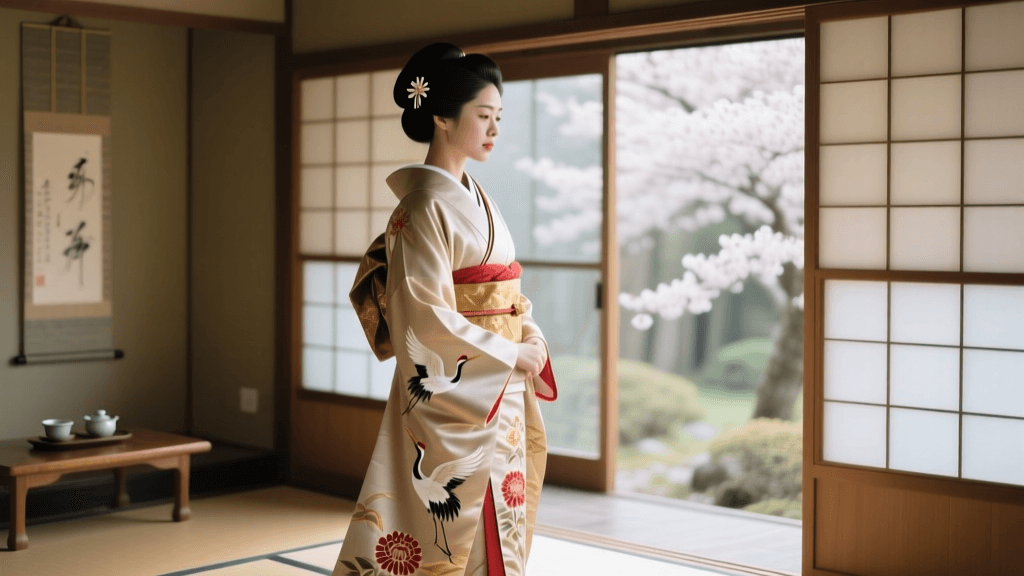
As we navigate the wellness landscape of 2026, the global conversation around mental health and daily routines has shifted profoundly toward intentional, tactile practices. Among the most compelling movements is the integration of traditional garment dressing into daily mindfulness exercises. Specifically, kitsuke—the traditional Japanese art of wearing a kimono—has emerged not merely as a cultural preservation effort, but as a powerful tool for grounding, stress reduction, and slow fashion advocacy. In an era dominated by digital fatigue and fast-paced living, the deliberate, multi-step process of wrapping, tying, and adjusting a kimono offers a profound sanctuary of slowness.
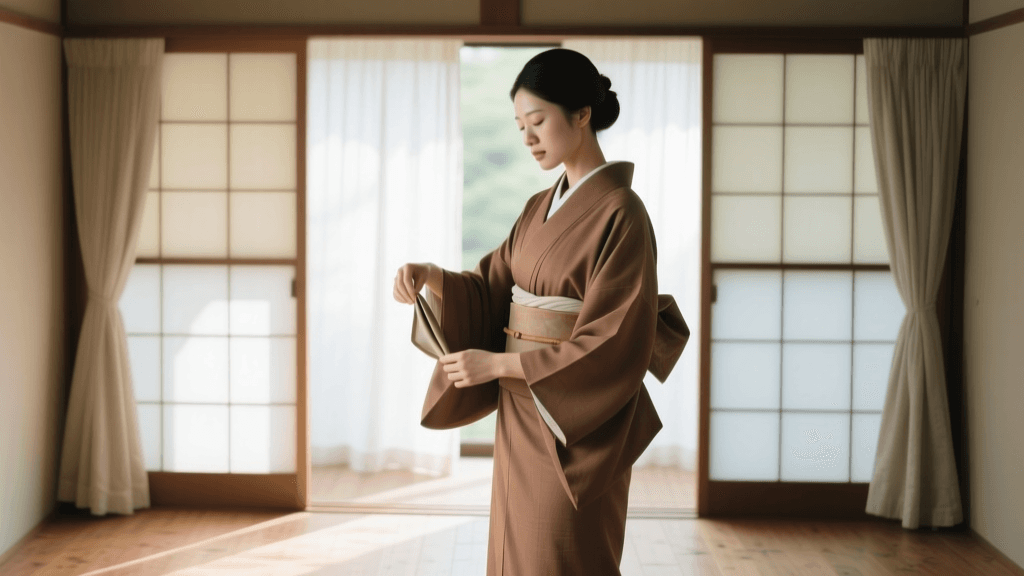
Unlike modern Western clothing, which is designed for rapid donning and immediate utility, the kimono demands presence. It requires the wearer to engage with their body, their breath, and the physical space around them. This deliberate engagement transforms a mundane morning chore into a moving meditation, aligning perfectly with the 2026 wellness trend of "somatic dressing"—the practice of using clothing to regulate the nervous system and cultivate bodily awareness.
The Neuroscience of Slow Dressing and Tactile Grounding
The psychological benefits of engaging in complex, tactile routines are well-documented by modern neuroscience. When you engage in the meticulous folding and tying required for kitsuke, you activate the brain's prefrontal cortex while simultaneously calming the amygdala, the brain's fear and stress center. According to research highlighted by Harvard Health Publishing, mindfulness practices that involve focused, repetitive physical movements can significantly reduce anxiety and lower cortisol levels. The physical weight of the silk, the precise tension of the koshihimo (waist ties), and the structured embrace of the obi (sash) provide deep pressure stimulation, similar to the effects of a weighted blanket, which signals the parasympathetic nervous system to induce a state of calm.
Furthermore, the sensory experience of handling traditional textiles grounds the mind in the present moment. The cool touch of ro (summer silk gauze) or the nubby, earthy texture of tsumugi (pongee silk) forces the brain to process immediate sensory input, effectively interrupting loops of rumination and worry. In 2026, wellness coaches increasingly prescribe "tactile anchoring" for patients dealing with burnout, and the kimono serves as the ultimate wearable anchor.
Selecting Your Garment: A 2026 Guide to Mindful Textiles
Not all kimono are suited for daily mindfulness practice. Heavy, formal garments like the furisode or kurotomesode require assistance and are too restrictive for everyday grounding routines. Instead, the slow fashion movement of 2026 champions versatile, breathable, and textured garments that allow for ease of movement and sensory engagement. Below is a comparison of the best kimono types for a mindful dressing practice.
| Garment Type | Primary Material | Weight & Drape | Best Season | Mindfulness Focus |
|---|---|---|---|---|
| Komon | Silk or Silk-blend | Medium, fluid drape | Spring / Autumn | Precision, alignment, and pattern appreciation |
| Tsumugi | Pongee Silk (slubbed) | Heavy, structured | Winter / Cool days | Tactile grounding, warmth, and deep pressure |
| Yukata | Woven Cotton | Light, breathable | Summer | Flow, breathwork, and cooling the nervous system |
| Samue | Cotton / Linen blend | Medium, utilitarian | All Year | Utility, movement, and active meditation |
For beginners in 2026, the Samue or a casual cotton Yukata offers the lowest barrier to entry, allowing the wearer to focus on the wrapping technique without the anxiety of damaging expensive silk. As the practice deepens, transitioning to a textured Tsumugi enhances the sensory feedback loop, making the meditation more profound.
The 20-Minute Mindful Kitsuke Morning Routine
To harness the wellness benefits of kimono dressing, one must approach the process not as a race to get clothed, but as a scheduled period of self-care. Dedicate 20 uninterrupted minutes to this routine. Ensure your dressing space is tidy, perhaps enhanced with a subtle natural incense like sandalwood or hinoki to engage the olfactory senses.
- Centering and Breathwork (Minutes 0-3): Stand before a full-length mirror. Hold the nagajuban (undergarment) against your chest. Close your eyes and take five deep, diaphragmatic breaths. Feel the weight of the fabric in your hands. Set an intention for the day—such as patience, clarity, or compassion.
- The Foundation (Minutes 3-8): Slip into the nagajuban. As you tie the first koshihimo (waist tie), focus entirely on the tension. The tie should be firm enough to hold the garment, but gentle enough to allow full diaphragmatic breathing. This balance of tension and ease is a physical metaphor for emotional regulation.
- The Wrapping (Minutes 8-15): Drape the main kimono over your shoulders. Align the center seam perfectly with your spine. This act of physical alignment encourages postural awareness, which Mayo Clinic experts note is intrinsically linked to improved mood and cognitive function. As you fold the excess fabric at the waist to create the ohashori (the fold at the waist), move slowly, smoothing the silk with flat palms to connect with the textile's temperature and weave.
- The Obi and Integration (Minutes 15-20): Tying the obi is the climax of the kitsuke meditation. Whether you are tying a simple bunko (bow) or a structured otaiko (drum knot), the complex spatial reasoning required forces the brain into a state of "flow." Once tied, perform a final full-body scan. Feel the gentle, encompassing hug of the garment. You are now armored in intention, ready to face the day with grounded resilience.
Kimono and the Slow Fashion Movement
Beyond personal mental health, the mindful kitsuke movement is deeply intertwined with the global push for sustainable, slow fashion. The environmental toll of fast fashion is a critical issue of our time. The United Nations Environment Programme (UNEP) continuously highlights the fashion industry's massive carbon footprint and textile waste crisis. In stark contrast, the kimono represents the ultimate circular garment.
Traditional kimono are constructed from straight bolts of fabric (tanmono) with minimal cutting, meaning they can be entirely disassembled, cleaned, and resewn, or repurposed into other items. In 2026, the thriving vintage kimono markets in cities like Kyoto, Tokyo, and even internationally in London and New York, prove that these garments are designed to outlive their original owners by centuries. By choosing to wear vintage or upcycled kimono, practitioners of mindful kitsuke actively reject the disposable clothing cycle. They participate in a lineage of care, mending, and respect for the labor and natural resources that went into creating the textile.
This philosophy extends to the accessories. The mindful dresser in 2026 often pairs their kimono with zori (sandals) made from sustainable, naturally woven rush grass or upcycled denim, and tabi (split-toe socks) crafted from organic cotton. Every element of the ensemble becomes a conscious choice, reinforcing the wearer's commitment to both personal wellbeing and planetary health.
Conclusion: Wearing Your Practice
The integration of kimono dressing into a modern wellness routine is a testament to the timeless wisdom embedded in Asian traditions. Mindful kitsuke is not about rigid adherence to historical costume rules; rather, it is about utilizing the profound architecture of the garment to foster a deeper connection with oneself and the environment. As we move through 2026, the act of wrapping oneself in layers of history, texture, and intention offers a powerful antidote to the chaos of the modern world. By slowing down to dress, we learn to slow down to live, proving that true wellbeing can quite literally be worn.