2026 Hanfu Secondhand Market & Vintage Collecting Guide
The Evolution of Hanfu Collecting in 2026
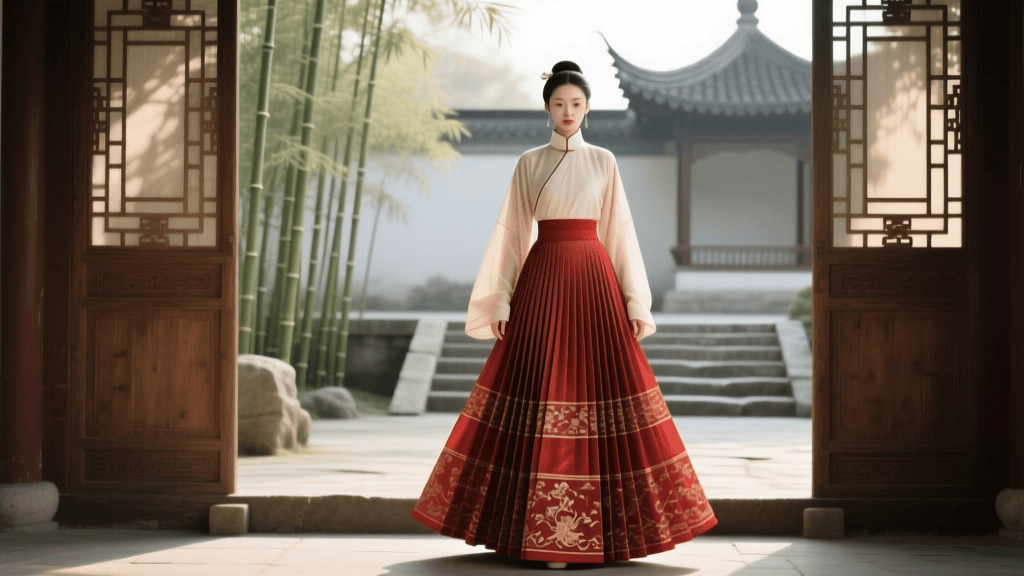
The Hanfu movement has undergone a breathtaking transformation over the last two decades. What began in the early 2000s as a niche cultural revival among university students has blossomed into a multi-billion-dollar global fashion industry by 2026. As the market has matured, a fascinating new subculture has emerged: the Hanfu secondhand and vintage collecting market. For enthusiasts, historians, and fashion archivists, the secondary market is no longer just a place to find discounted garments; it is a treasure hunt for rare, discontinued, and historically significant pieces that define the evolution of modern traditional Chinese clothing.
Navigating this market in 2026 requires a deep understanding of historical accuracy, brand lineage, and the digital platforms where these transactions occur. Whether you are looking to acquire a rare early-2010s Ming dynasty reproduction or sell your outgrown Song dynasty Beizi, this comprehensive guide will equip you with the knowledge to thrive in the 2026 Hanfu resale ecosystem.
What Qualifies as 'Vintage' Hanfu?
In Western fashion, 'vintage' typically refers to garments that are at least 20 years old. However, the Hanfu revival movement operates on a much faster, more compressed timeline. In the 2026 collecting community, 'vintage' (often referred to as Gu Zao or early revival) generally encompasses pieces produced between 2003 and 2015.
During this foundational era, pioneers of the movement were actively experimenting with historical patterns, often relying on theatrical costume makers or early independent studios. Brands and workshops like the original iterations of Ming Hua Lu, Zhongzheng, and early Taobao-based independent creators produced garments that, while sometimes lacking the rigorous archaeological accuracy demanded by today's market, possess immense historical and sentimental value. Collectors prize these early pieces not necessarily for their wearable accuracy, but as artifacts of the movement's genesis. As noted by cultural historians, the grassroots nature of this early revival was instrumental in weaving ancient traditions back into modern Chinese identity, a phenomenon well-documented by BBC Culture in their retrospective analyses of the movement's foundational years.
Top Secondhand Platforms for Hanfu in 2026
The digital landscape for buying and selling secondhand Hanfu is dominated by a few key platforms, each catering to different types of collectors and sellers.
1. Xianyu (Idle Fish)
Owned by Alibaba, Xianyu remains the undisputed titan of the Chinese secondhand market in 2026. It is the primary hub for domestic Hanfu resale. The platform's algorithm is highly attuned to niche fashion communities, and its built-in escrow system protects both buyers and sellers. For international collectors, navigating Xianyu requires a proxy shopping agent (such as Superbuy or Wegobuy), but the sheer volume of rare inventory makes it an indispensable tool.
2. Haoyu and Specialized Hanfu Forums
Haoyu has evolved into a dedicated app for traditional Chinese fashion resale, offering specialized categorization that Xianyu lacks. Here, garments are sorted not just by size, but by dynasty, fabric type (e.g., Xiangyunsha, Song Brocade), and historical accuracy tier. Additionally, private WeChat groups and specialized Discord servers serve as high-end auction houses for ultra-rare, custom-commissioned vintage pieces.
3. Global Platforms: Depop, Etsy, and Vinted
For collectors outside of Asia, Depop and Etsy have seen a massive surge in Hanfu listings by 2026. While the inventory is smaller and prices are often marked up to account for international shipping and curation, these platforms offer buyer protections and English-language interfaces that make them ideal for Western enthusiasts entering the vintage Hanfu space.
Essential Search Terminology for Resale Hunting
To uncover the best deals and rarest pieces on Chinese platforms, you must master the specific vernacular used by the Hanfu resale community. Here are the critical keywords to use in 2026:
- 退坑 (Tui Keng): Literally 'leaving the pit.' This indicates a seller is quitting the hobby and liquidating their collection. These listings often feature bulk sales and heavily discounted rare items.
- 绝版 (Jue Ban): 'Out of print' or 'discontinued.' This is the holy grail keyword for collectors looking for early revival pieces or limited-run collaborations from the 2010s.
- 古早 (Gu Zao): 'Early' or 'vintage.' Used specifically to denote garments from the first decade of the Hanfu revival movement.
- 山 (Shan): 'Mountain' or knockoff. Sellers will explicitly state '非山' (not a fake) to assure buyers of the garment's authenticity.
2026 Secondhand Hanfu Pricing & Value Guide
The resale value of Hanfu fluctuates based on brand prestige, fabric rarity, and historical accuracy. Below is a comparative table illustrating the 2026 market dynamics for popular garment types.
| Garment Type & Dynasty | Average Retail Price (2026) | Secondhand Market Price (2026) | Vintage/Discontinued Premium |
|---|---|---|---|
| Ming Dynasty Mamianqun (Horse-face skirt) | $80 - $250 | $40 - $120 | +$300 (for early 2010s woven silk) |
| Song Dynasty Beizi & Pleated Skirt Set | $60 - $150 | $30 - $80 | +$150 (for defunct studio pieces) |
| Tang Dynasty Qixiong Ruqun (Chest-high) | $50 - $120 | $25 - $60 | N/A (High modern supply) |
| Xiangyunsha (Gambiered Canton Gauze) Robe | $300 - $800+ | $200 - $500 | +$1,000+ (Aged, properly stored) |
Avoiding 'Shan' (Knockoffs) in the Resale Market
As the Hanfu industry has grown, so has the sophistication of counterfeit manufacturers. In the secondhand market, distinguishing between an original 'Zheng' (authentic) piece and a 'Shan' (knockoff) is paramount, especially when paying a premium for vintage items.
By 2026, top-tier studios have integrated subtle anti-counterfeit measures, such as NFC chips woven into the hem or specific, copyrighted embroidery motifs that counterfeiters struggle to replicate perfectly. When buying on Xianyu, always request 'flat lay' photos of the inner tags, the embroidery density, and the fabric weave. Early vintage pieces may lack modern tags, so collectors must rely on provenance: original Taobao order screenshots, early forum posts featuring the garment, or the recognizable quirks of early 2010s tailoring, such as specific seam allowances and metallic thread types that are no longer in production.
The broader cultural impact of this authenticity hunt cannot be overstated. As Reuters highlighted in their coverage of the Hanfu movement's expansion, the dedication of fans to historical accuracy and authentic craftsmanship has driven a massive resurgence in traditional Chinese textile manufacturing, a trend that continues to define the luxury and resale tiers of the market today.
Best Practices for Sellers: Maximizing Your Resale Value
If you are looking to fund your next historical commission by selling pieces from your wardrobe, presentation is everything. The 2026 buyer is highly educated and demanding.
- Comprehensive Photography: Include well-lit photos of the garment on a dress form, close-ups of the embroidery, and photos of any flaws (snags, stains, or sun fading). Transparency prevents disputes and platform penalties.
- Exact Flat-Lay Measurements: Hanfu sizing is notoriously inconsistent between brands. Always provide flat-lay measurements in centimeters for the bust, waist, skirt length, and sleeve span.
- Include the 'Guo' (Packaging): Vintage collectors place a high premium on original packaging. Including the original branded box, canvas tote, and authenticity cards can increase the resale value of a discontinued set by up to 20%.
Care and Storage for Vintage Hanfu
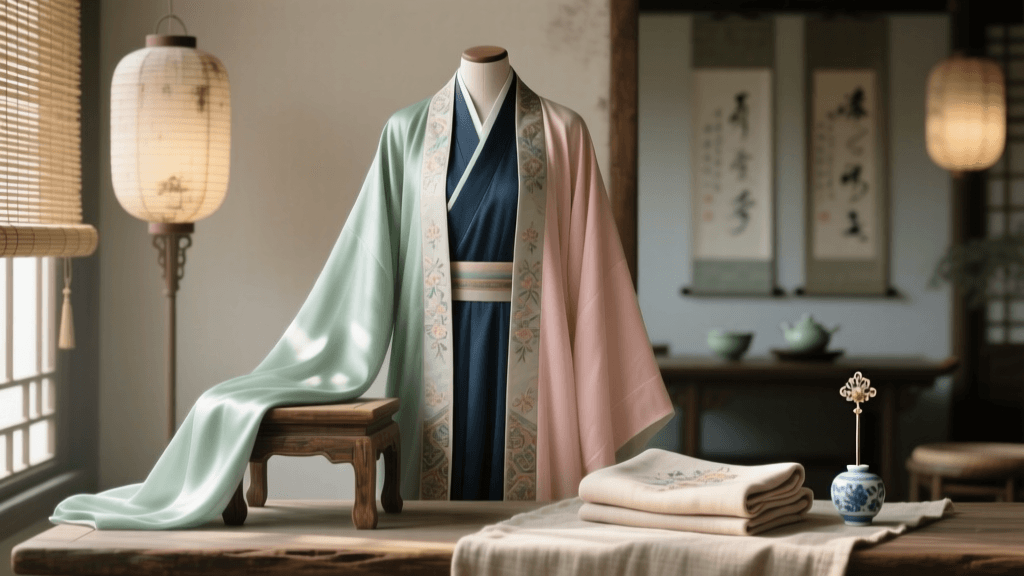
Acquiring a rare piece of early revival Hanfu is only half the battle; preserving it is the other. Many early 2010s garments were dyed using experimental or less stable synthetic dyes that are prone to fading or bleeding. Store vintage Hanfu in breathable cotton garment bags, never plastic, which can trap moisture and cause mildew. For highly prized Xiangyunsha (silk treated with river mud and gambier juice), avoid folding the garment sharply, as the stiffened fibers can crack over time. Instead, roll the garment around acid-free tissue paper and store it in a climate-controlled cedar chest to protect it from pests and humidity.
Conclusion
The 2026 Hanfu secondhand market is a vibrant, complex ecosystem that bridges the gap between modern fashion and historical preservation. Whether you are hunting for a discontinued Ming dynasty skirt on Xianyu or carefully archiving an early 2000s revival piece, participating in this market connects you directly to the living history of the Hanfu movement. By understanding the terminology, respecting the provenance, and utilizing the right platforms, collectors can build wardrobes that are not only beautiful but deeply significant to the ongoing story of Asian traditional garments.