Kimono Travel Essentials 2026: Pack Smart & Wear Right
Traveling to Japan in 2026 offers an unprecedented opportunity to immerse yourself in the country's rich sartorial heritage. While renting a garment upon arrival is a popular choice for casual tourists, serious enthusiasts and cultural travelers increasingly prefer bringing their own curated collections. However, packing a kimono requires far more than simply folding a dress into a suitcase. It demands a strategic approach to undergarments, accessories, fabric care, and an understanding of modern travel-friendly innovations. Whether you are wandering the historic streets of Kyoto or attending a summer festival in Tokyo, this comprehensive guide covers the ultimate kimono travel essentials for 2026, ensuring you pack smart and wear your garments with grace and respect.
The Ultimate 2026 Kimono Packing Checklist
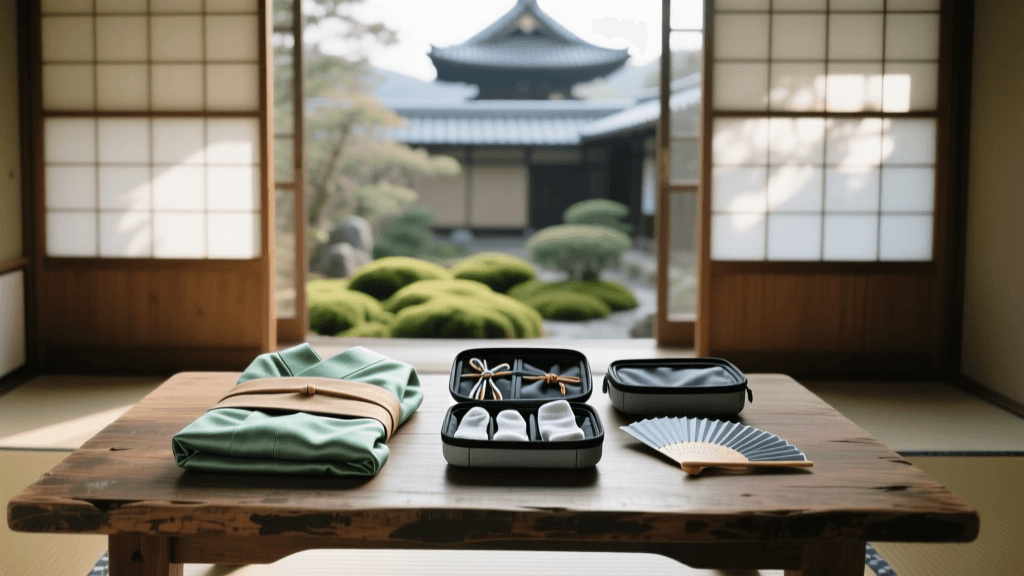
A kimono is not a single garment but a complex system of layered textiles and ties. Forgetting a single component can make it impossible to dress properly. Here is the essential checklist for your luggage:
- Kimono (or Yukata for summer): Opt for wrinkle-resistant polyester blends or modern washable silks if you plan to wear it multiple times without access to professional cleaning.
- Juban (Undergarment): A crucial layer that protects the outer kimono from sweat and oils. Pack a hadajuban (thin undershirt) and a nagajuban (full-length under-robe).
- Koshihimo (Waist Ties): Pack at least three to four of these thin, long ties. They are the structural foundation of the outfit, securing the layers at the waist.
- Datejime (Wide Ties): Essential for securing the juban and smoothing out wrinkles before the obi is applied. Modern velcro-closure datejime are highly recommended for travel.
- Obi and Obi Accessories: The sash itself, plus an obi-makura (small pillow for tying knots), obi-ita (stiff board to prevent creasing), and obijime (decorative braided cord).
- Tabi and Zori: Split-toe socks (tabi) and traditional sandals (zori). Ensure your tabi fit snugly, as loose fabric can cause blisters during long days of sightseeing.
- Collar Stiffener (Eri-shin): A thin plastic strip that slides into the juban collar to keep the neckline crisp and elegant.
The Art of Packing: Folding and Luggage Logistics
To prevent permanent creases in your silk or high-end polyester garments, mastering the traditional tato-shi folding method is essential. This rectangular folding technique aligns the seams perfectly, distributing stress evenly across the fabric. Place the folded kimono in a breathable cotton wrapping cloth, known as a tatou-shi, before placing it at the top of your suitcase. Never use plastic bags, as they trap moisture and can lead to mold, especially during Japan's humid early summer rainy season (tsuyu).
For travelers moving between multiple cities, consider utilizing Japan's legendary Takuhaibin (luggage forwarding) services. In 2026, major carriers like Yamato Transport have optimized their handling of fragile and oversized cultural items, allowing you to ship your heavy kimono suitcase directly from your Tokyo hotel to your Kyoto ryokan, freeing you to explore the Shinkansen unencumbered.
Seasonal Adaptations for the Modern Traveler
Japan's distinct seasons dictate not only the colors and motifs of your kimono but also the fabric weight. If you are traveling between June and August, packing a standard lined kimono (awase) will result in heat exhaustion. Instead, pack an unlined summer kimono (hitoe) or a sheer, breathable weave (ro or sha). Pair these with a lightweight, mesh-like summer obi (karami-obi). Conversely, travelers visiting between December and February must pack a haori (a traditional hip-length jacket) and consider modern thermal under-layers designed specifically to fit beneath the juban without disrupting the garment's silhouette.
Modern Travel-Friendly Innovations
The traditional garment industry has seen remarkable innovations leading up to 2026, specifically catering to the international traveler and the busy modern wearer. Brands are now engineering fabrics that mimic the luster of silk while offering the durability of activewear.
| Item | Traditional Material | 2026 Travel Alternative | Travel Benefit |
|---|---|---|---|
| Kimono | Heavy Lined Silk | Washable Crepe Polyester | Machine washable, highly wrinkle-resistant, lightweight |
| Obi | Stiff Brocade | Pre-tied Tsuke-Obi | Saves 20 minutes of dressing time, requires no obi-makura |
| Tabi | Cotton with Kohaze (hooks) | Stretch-Knit Slip-on | Comfortable for 15,000+ daily steps, no broken hooks |
| Obi-ita | Thick Cardboard/Leather | Foldable Silicone Mesh | Prevents obi creasing in luggage, breathable for summer |
Where to Wear: Top 2026 Destinations
Kyoto: Higashiyama and Beyond
Kyoto remains the undisputed epicenter of kimono culture. However, navigating the crowded streets of Sannenzaka and Ninenzaka requires strategy. In 2026, the best approach is to dress early and head to the Higashiyama district by 7:30 AM. This allows for serene photography against the backdrop of wooden machiya townhouses before the midday tour groups arrive. For a more tranquil experience, take your kimono to Daigo-ji Temple in the southern part of the city, where sprawling grounds and weeping willows provide a majestic, uncrowded setting.
Tokyo: Yanaka Ginza and Rikugien Garden
For a more relaxed urban experience, Tokyo's Yanaka Ginza neighborhood offers a charming, old-town (shitamachi) atmosphere. The flat, pedestrian-friendly streets are perfect for practicing your kimono stride. Alternatively, the meticulously landscaped Rikugien Garden provides a stunning backdrop of pine trees and koi ponds, offering a refined environment where traditional garments are deeply appreciated by locals and visitors alike.
Kanazawa: Higashi Chaya District
Kanazawa offers a stunning, less congested alternative to Kyoto. The Higashi Chaya geisha district, with its preserved latticed wooden teahouses, is an ideal location for kimono wearers. The city's rich history in gold leaf craftsmanship also means you can easily find exquisite, locally made obidome (sash brooches) and hairpins to elevate your outfit.
Navigating 2026 Etiquette and Local Regulations
Wearing a kimono is a profound way to show respect for Japanese culture, but it must be done correctly. The most critical rule is the collar placement: the left side must always overlap the right side. Reversing this is strictly reserved for dressing the deceased and is considered highly inauspicious.
Furthermore, travelers must be aware of updated local regulations. In recent years, and specifically updated for the 2026 tourism season, Kyoto has implemented stricter guidelines regarding street photography and pedestrian etiquette in historic districts like Gion. According to the Kyoto City Official Travel Guide, visitors are strongly urged to respect private properties, avoid blocking narrow alleyways, and refrain from intrusive photography of locals and geiko (Kyoto geisha). Many private streets in Gion now feature clear signage prohibiting photography, and fines can be issued for violations.
For comprehensive guidance on traditional clothing, regional variations, and seasonal rules, the Japan Guide's traditional clothing resource remains an indispensable tool for international travelers planning their wardrobes.
When walking in a kimono, adopt the traditional 'suri-ashi' gliding step. Keep your toes pointed slightly inward, take smaller strides, and swing your arms minimally to maintain the elegant, tubular silhouette of the garment.
Conclusion
Bringing your own kimono to Japan in 2026 is a rewarding endeavor that deepens your connection to the country's living history. By carefully selecting travel-friendly materials, mastering the art of packing, and respecting local customs and updated municipal regulations, you can transform your journey into a beautiful, immersive cultural experience. Pack smart, dress with intention, and let the timeless elegance of the kimono guide your travels across Japan's most breathtaking landscapes.