Top Hanfu Museums & Textile Heritage Sites in China
Introduction to China's Textile and Hanfu Heritage
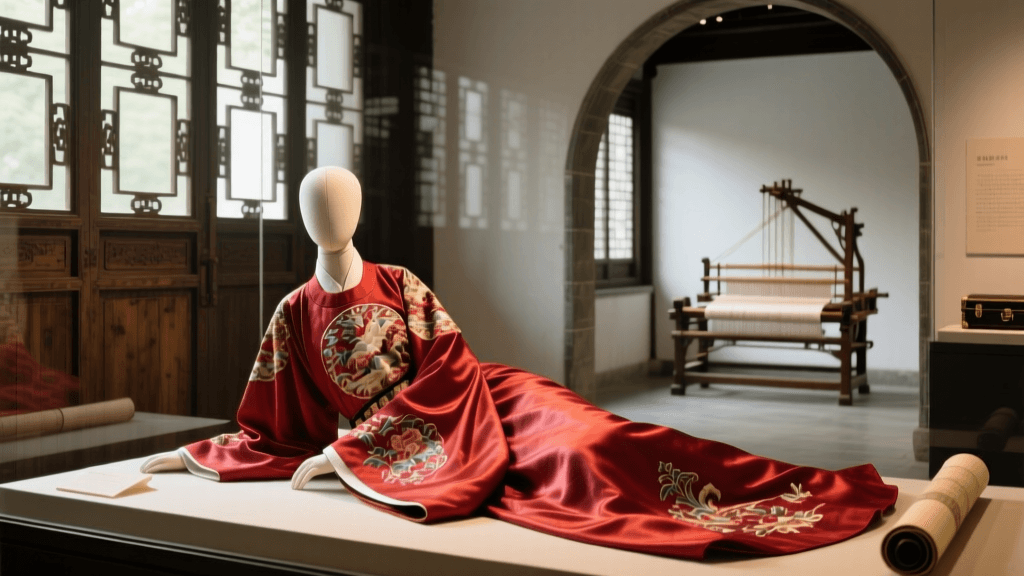
The modern Hanfu revival is not merely a fashion trend; it is a profound cultural movement rooted in meticulous historical research and a deep reverence for traditional Chinese aesthetics. For enthusiasts, scholars, and travelers alike, understanding the structural layering, seasonal fabric choices, and intricate weaving techniques of traditional Chinese clothing requires more than just reading historical texts. It demands an immersive experience in the physical spaces where these garments are preserved, studied, and celebrated.
China boasts a network of world-class museums and heritage sites dedicated to the preservation of ancient textiles, imperial robes, and the intangible cultural heritage of silk weaving. From the misty shores of Hangzhou's West Lake to the imperial halls of Beijing's Forbidden City, these institutions offer a tangible connection to the artisans who dressed emperors, scholars, and commoners alike. This guide explores the most significant Hanfu and textile heritage sites in China, providing practical travel advice, exhibition highlights, and actionable tips for cultural tourists.
The China National Silk Museum (Hangzhou)
Located near the scenic West Lake in Hangzhou, the China National Silk Museum (CNSM) is the largest silk museum in the world and an essential pilgrimage site for Hanfu enthusiasts. Hangzhou has been the epicenter of Chinese silk production for over a millennium, serving as a vital starting point for the maritime and overland Silk Roads.
Exhibition Highlights
The museum's permanent exhibitions trace the evolution of Chinese sericulture and textile craftsmanship from the Neolithic period to the modern era. For Hanfu historians, the crown jewels of the CNSM are the unearthed textiles from the Tang and Song dynasties. The museum's state-of-the-art conservation laboratory frequently displays restored garments, showcasing the lightweight, breathable gauze weaves (luo and sha) that were historically favored for summer Hanfu layering. Visitors can observe the complex structural layering of the Ruqun (blouse and skirt) and the intricate embroidery techniques used to adorn the collars and cuffs of formal wear.
Practical Information
- Location: 73-1 Yuhuangshan Road, Xihu District, Hangzhou.
- Transit: Take Hangzhou Metro Line 1 to Ding'an Road Station, then a short taxi ride or bus transfer (Bus 315 or 12) to the museum.
- Admission: Free. However, advance booking via the official WeChat mini-program is mandatory. Foreign visitors must bring their physical passports for entry.
- Best Time to Visit: Tuesday to Friday mornings to avoid weekend crowds and school groups.
Nanjing Yunjin Museum & The Imperial Brocade
While Hangzhou is famous for its lightweight silks, Nanjing is the undisputed capital of Yunjin (cloud brocade), a luxurious, heavy fabric historically reserved for imperial garments and high-ranking Ming dynasty Hanfu. The Nanjing Yunjin Museum is dedicated entirely to this opulent textile, which gets its name from its vibrant, cloud-like patterns and the inclusion of real gold and silver threads.
The Living Heritage of the Drawloom
The most breathtaking exhibit at the Yunjin Museum is the operational traditional wooden drawloom. These massive looms, measuring over 5 meters tall and 4 meters long, require two artisans to operate simultaneously. One weaver sits at the base to pass the shuttle, while the "pattern puller" sits atop the loom, manually lifting the warp threads according to a complex mnemonic code. This ancient Jacquard-like process is so intricate that it cannot be replicated by modern machinery. The weaving of Nanjing Yunjin is officially recognized on the UNESCO Intangible Cultural Heritage list, underscoring its global significance.
For Hanfu tailors and designers, studying the Zhijin (woven gold) techniques displayed here provides invaluable insight into the structural integrity and drape of formal Ming dynasty Aoqun (jacket and skirt) ensembles, particularly the iconic Mamianqun (horse-face skirt).
The Palace Museum (Forbidden City) Textile Exhibitions
In Beijing, the Palace Museum (Forbidden City) houses an astonishing collection of over 1.8 million artifacts, including a vast and meticulously preserved archive of Qing dynasty imperial textiles and late-Ming Hanfu court garments. While the architecture draws the masses, the specialized textile exhibitions held in the Meridian Gate (Wumen) gallery offer a masterclass in formal garment etiquette and structural layering.
Conservation and Court Dress
The Palace Museum's textile conservation department is globally renowned. Exhibitions here often focus on the restoration of dragon robes, court surcoats, and the intricate accessories that accompanied formal wear. Visitors can examine the precise measurements, the use of sable and fox fur for winter linings, and the strict sumptuary laws that dictated which colors and motifs (such as the five-clawed dragon versus the four-clawed python) could be worn by different ranks of nobility. Detailed information on current and upcoming imperial textile exhibitions can be found on the official Palace Museum English portal.
Practical Information
- Location: Dongcheng District, Beijing (Enter via the Meridian Gate).
- Admission: 60 RMB (April to October) / 40 RMB (November to March). Special gallery exhibitions may require an additional 10 RMB fee.
- Booking: Tickets must be booked up to 7 days in advance via the official website or WeChat. They sell out within minutes during peak season.
Chengdu Shu Brocade and Embroidery Museum
Journeying westward to Sichuan province, the Chengdu Shu Brocade and Embroidery Museum highlights a textile tradition that dates back over 2,000 years. Shu brocade is characterized by its vivid colors, intricate geometric patterns, and durable warp-faced weave. Historically, Shu brocade was a major commodity traded along the Southern Silk Road and was highly prized for crafting durable yet beautiful outer garments for scholars and officials.
The museum not only displays historical garments but also serves as an active research institute. The broader traditions of silk production in this region are deeply intertwined with Chinese cultural identity, a fact celebrated by its inclusion in the broader UNESCO recognition of Chinese sericulture and silk craftsmanship. Visitors can purchase authentic, hand-woven Shu brocade fabric by the meter, making it a premier destination for bespoke Hanfu tailors seeking historically accurate materials for their creations.
Practical Travel Guide: Museum Comparison Chart
To help you plan your cultural itinerary, below is a structured comparison of China's top textile and Hanfu heritage sites.
| Museum / Heritage Site | City | Admission Cost | Primary Hanfu / Textile Focus | Recommended Duration |
|---|---|---|---|---|
| China National Silk Museum | Hangzhou | Free | Tang/Song gauze weaves, Silk Road history, textile conservation. | 3 - 4 Hours |
| Nanjing Yunjin Museum | Nanjing | Free | Ming dynasty brocades, gold-thread weaving, traditional drawlooms. | 2 - 3 Hours |
| The Palace Museum | Beijing | 40 - 60 RMB | Qing court dress, Ming formal wear, imperial sumptuary laws. | 5 - 8 Hours (Full Day) |
| Shu Brocade Museum | Chengdu | ~30 RMB | Warp-faced weaves, Sichuan embroidery, historical trade fabrics. | 2 Hours |
Actionable Tips for Hanfu Enthusiasts Visiting Heritage Sites
Visiting these museums while wearing Hanfu is a popular and deeply rewarding experience, but it requires adherence to specific etiquette and logistical planning to ensure the preservation of the artifacts and a smooth visit.
1. Photography and Artifact Preservation
Ancient silk dyes and delicate gold threads are highly susceptible to light degradation. Never use flash photography inside textile exhibition halls. Many museums enforce strict rules against the use of selfie sticks and tripods, as they pose a physical threat to open exhibits and glass casings. When photographing intricate embroidery, rely on the ambient museum lighting and use a camera with good low-light ISO performance.
2. Managing Hanfu Silhouettes in Crowded Spaces
If you choose to wear Hanfu during your museum visit, be mindful of your silhouette. Garments with long, trailing skirts—such as the Ming dynasty Mamianqun or the Tang dynasty Poqun—can easily sweep across the floor, picking up dust and potentially knocking over unroped stanchions. It is highly recommended to wear a skirt with a slightly shorter hemline (ankle-length rather than floor-grazing) or to use a traditional skirt tie (qunzhi) to hike the hem when navigating crowded galleries or climbing the steep stairs of the Forbidden City.
3. Navigating the Booking Systems
China's museum ticketing ecosystem is entirely digital. Foreign tourists and expatriates must use their passports to register on WeChat mini-programs. Because popular institutions like the Palace Museum and the China National Silk Museum cap daily visitor numbers to protect the microclimates of their exhibition halls, you must book tickets exactly when the booking window opens (usually 7 days in advance at 8:00 PM or 9:00 AM local time). Have your passport details copied and ready to paste into the booking forms to secure your spot before tickets sell out.
Conclusion
Exploring China's Hanfu and textile museums offers a profound journey into the soul of Asian traditions. These institutions do more than display old clothes; they preserve the mathematical precision of the drawloom, the botanical knowledge of ancient dyers, and the societal structures woven into every collar and cuff. Whether you are a historian researching the structural layering of Song dynasty undergarments, a tailor sourcing authentic Shu brocade, or a cultural traveler seeking to understand the seasonal fabric choices of ancient China, these heritage sites provide an indispensable, tangible link to the past. Plan your itinerary carefully, respect the preservation protocols, and immerse yourself in the living legacy of Chinese textile artistry.