Japanese Kimono Milestones 2026: Age & Life Stage Guide
The Enduring Elegance of Life Stage Kimono in 2026
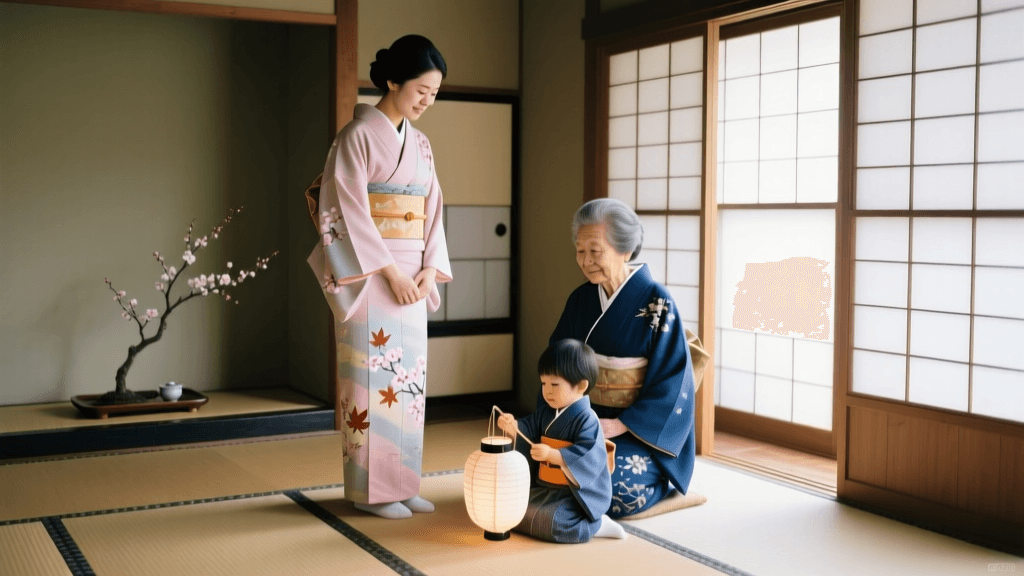
The kimono is far more than a simple garment; it is a wearable timeline of a Japanese individual's life, marking transitions with profound visual symbolism. As we navigate through 2026, the intersection of deep-rooted tradition and modern technological convenience has transformed how families approach milestone dressing. From the vibrant, historic streets of Kyoto to the bustling, neon-lit wards of Tokyo, the specific styles chosen for life's major transitions remain deeply symbolic. Yet, the ways we acquire, fit, and wear them have evolved significantly to meet contemporary lifestyles. According to the Metropolitan Museum of Art's Heilbrunn Timeline of Art History, the kimono's fundamental T-shaped structure has remained remarkably consistent for centuries, even as its surface design, textile technology, and social function continue to adapt. This comprehensive guide explores the definitive kimono styles for Japan’s most significant age milestones in 2026, offering actionable advice on rentals, modern styling, and cultural etiquette.
Shichi-Go-San: Celebrating Childhood at Ages 3, 5, and 7
Literally translating to "Seven-Five-Three," this traditional rite of passage is held annually in November to pray for the health and longevity of children at these specific, historically vulnerable ages. In 2026, parents are increasingly prioritizing comfort and mobility without sacrificing historical accuracy or aesthetic beauty.
- Three-Year-Old Girls: The standard attire is the himitsu, a simple, brightly colored kimono worn with a hifu (a padded, sleeveless vest). Modern 2026 iterations feature breathable, temperature-regulating under-layers to prevent overheating during crisp autumn shrine visits.
- Five-Year-Old Boys: Young boys don their first haori (jacket) and hakama (pleated trousers), often adorned with the family crest (kamon). This year, lightweight wool-blend hakama are trending for their ease of care and comfort.
- Seven-Year-Old Girls: Girls transition to the yotsu-mi, a more structured kimono resembling adult women's attire, tied with a stiff brocade obi. A major 2026 trend is the customization of children's obi accessories with subtle, modern motifs, blending heritage with the child's personal identity.
Seijin Shiki: The Coming of Age Ceremony at 20
Held on the second Monday of January, Coming of Age Day celebrates young adults. Although Japan officially lowered the legal age of adulthood to 18 in recent years, municipalities in 2026 universally continue to host the Seijin Shiki ceremonies for 20-year-olds. This cultural persistence ensures the kimono remains a staple of the twentieth year, avoiding conflicts with high school university entrance exams.
For young women, the furisode—characterized by its long, swinging sleeves—is the undisputed garment of the day. The sleeve length itself communicates status and formality: oh-furisode (large) sleeves can exceed 114 centimeters, while chu-furisode (medium) are slightly more practical for navigating crowded municipal halls. In 2026, the vintage furisode market has exploded. Driven by eco-conscious Gen Z consumers, young adults are heavily opting for upcycled Showa-era silk garments, re-styled with contemporary, oversized floral koshihimo (tying sashes) and modern lace kasane-eri (layered collars). For young men, the traditional dark montsuki haori hakama is frequently accented with bold, jewel-toned haori himo (decorative cords) and modern footwear, moving away from the strictly monochromatic looks of previous decades.
Wedding Attire: Shiromuku and Uchikake
The Japanese wedding wardrobe is perhaps the most elaborate, heavy, and expensive of all life stages. The shiromuku, an all-white ensemble symbolizing purity and the bride's willingness to be "dyed" in the colors of her new family, is worn during the traditional Shinto ceremony. In 2026, brides are personalizing their shiromuku through digital embroidery services that weave intricate, bespoke family crests and subtle floral watermarks directly into the silk jacquard, visible only upon close inspection.
For the reception, the iro-uchikake (colored outer robe) takes center stage. Deep crimsons, emerald greens, and even midnight blues with gold-leaf kinkaku appliqués are dominating the 2026 bridal season. To combat the immense weight of these heavily padded garments, modern bridal salons now utilize ultra-lightweight, 3D-printed structural undergarments. These innovative supports distribute the weight of the heavy brocade obi evenly across the torso and hips, drastically reducing physical fatigue during long, multi-hour banquet celebrations.
Kanreki and Beyond: Honoring the Elder Years
The 60th birthday, or Kanreki, marks the completion of the traditional sexagenary calendar cycle and the beginning of a new life stage. The traditional garment for this milestone is the chanchanko, a padded, sleeveless vest, almost always in vibrant red to symbolize rebirth, vitality, and to ward off evil spirits. While the bright red vest remains a beloved photographic staple for family gatherings, 2026 celebrations have seen a distinct shift toward more sophisticated, everyday interpretations. Many celebrants now opt for a high-quality, crimson-dyed silk haori worn over a subtle, neutral kimono or even modern western clothing. This approach aligns with the modern senior's desire for refined, wearable luxury that can be reused for subsequent cultural outings, tea ceremonies, and theater visits.
2026 Market Trends: Rentals, Pricing, and Virtual Fittings
The kimono rental and purchase landscape in 2026 is defined by digital integration and transparent pricing. AI-driven virtual try-on applications now allow families to visualize complex obi combinations and color palettes before committing to a rental or purchase, significantly reducing the time spent in physical fitting rooms. Below is a comprehensive breakdown of the current market for milestone garments.
| Milestone Age | Primary Garment | 2026 Avg. Rental Cost (JPY) | Booking Lead Time | Key 2026 Styling Trend |
|---|---|---|---|---|
| Shichi-Go-San (3/5/7) | Himitsu / Haori Hakama | ¥15,000 - ¥25,000 | 2-3 Months | Temperature-regulating under-layers |
| Seijin Shiki (20) | Furisode / Montsuki Hakama | ¥80,000 - ¥150,000 | 6-9 Months | Vintage Showa-era upcycling |
| Wedding (Bride) | Shiromuku / Iro-Uchikake | ¥250,000 - ¥400,000 | 10-12 Months | 3D-printed structural obi supports |
| Kanreki (60) | Red Chanchanko / Haori | ¥20,000 - ¥40,000 | 1-2 Months | Subtle crimson silk accents |
Sustainability and the Future of Milestone Garments
As global conversations around textile waste intensify, the Japanese kimono industry in 2026 is heavily focused on circular fashion and heritage preservation. Institutions like the Kyoto National Museum continue to play a vital role in preserving ancient textile techniques, which modern artisans are now adapting for sustainable commercial use. Rental houses across Japan now utilize advanced, waterless ozone-cleaning technologies to sanitize delicate, antique silks without causing water damage or fiber degradation.
Furthermore, "kimono remodeling" services, known locally as remake, are experiencing a massive boom. These specialized ateliers transform damaged, stained, or unwearable heirloom garments into modern accessories, stylish haori jackets, or even western-style formal dresses. This ensures that the silk—which requires immense natural resources and artisan labor to produce—remains in circulation across multiple generations. The Victoria and Albert Museum's Asian collections frequently highlight the historical durability of Japanese silk, a trait that modern 2026 designers are leveraging to prove that traditional garments can be the ultimate sustainable wardrobe investment.
Conclusion: A Living Tradition
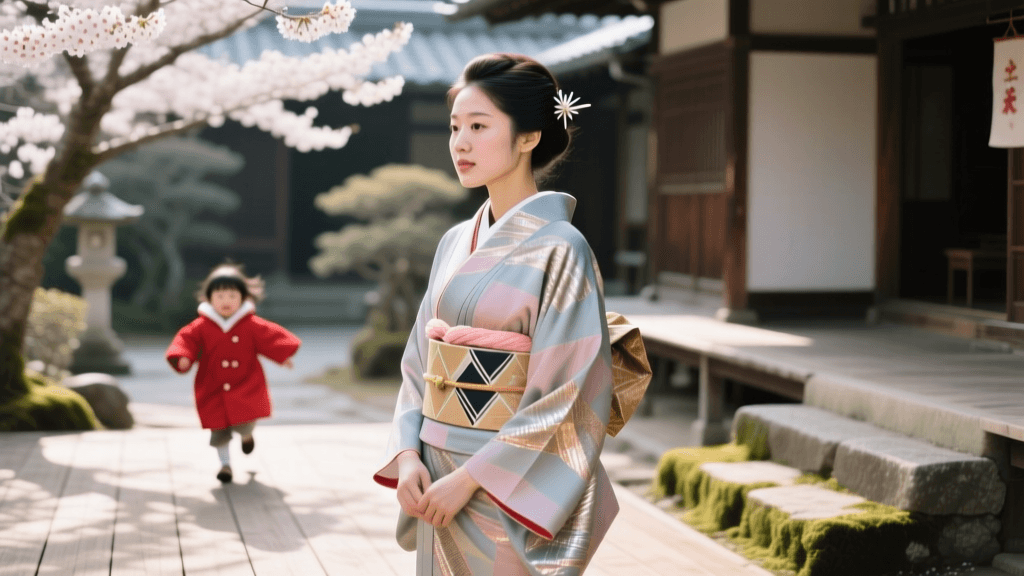
The kimono's journey through a Japanese individual's life is a testament to the culture's ability to honor the past while embracing the future. Whether it is a child taking their first steps in a shrine courtyard, a young adult celebrating their independence, a bride embarking on a new partnership, or an elder embracing their sixtieth year, the garments of 2026 reflect a beautiful synthesis of ancestral respect and modern innovation. By understanding these life stage milestones, we gain a deeper appreciation for a sartorial tradition that continues to weave the fabric of Japanese society, one milestone at a time.