2026 Kimono Guide: Birth, Coming-of-Age & Memorials
The Enduring Legacy of Family Milestones in 2026
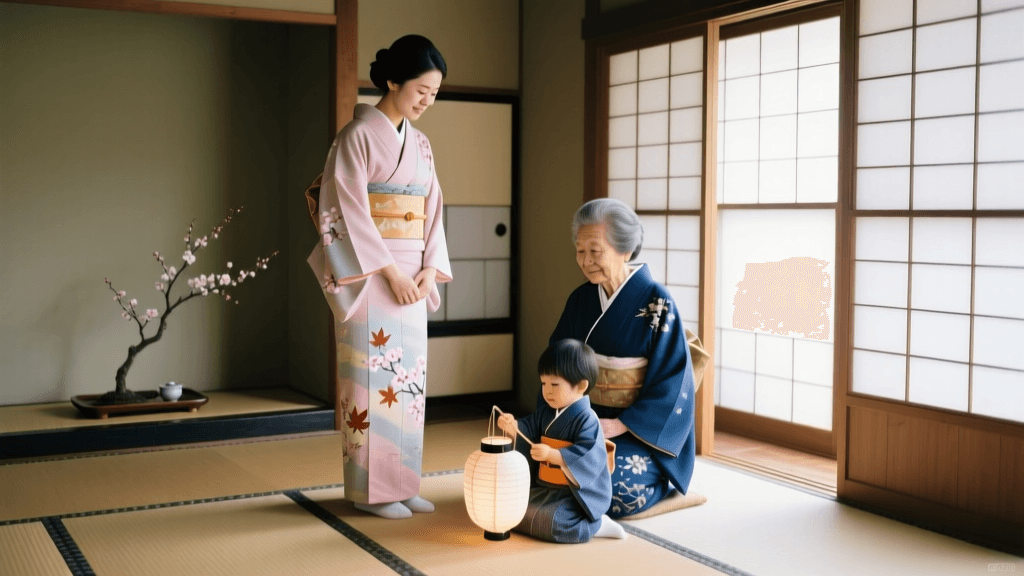
As we navigate 2026, the intersection of ancestral heritage and modern convenience continues to define the Japanese garment industry. While daily Western clothing is the norm across Japan, traditional silk garments remain the undisputed standard for life’s most profound transitions. From the joyful shrine visits celebrating a newborn’s health to the vibrant coming-of-age ceremonies and the solemn respect of memorial services, the kimono serves as a wearable archive of family history and cultural continuity.
According to the Japan Guide's comprehensive overview of traditional clothing, the rules governing kimono formality, seasonal motifs, and crest placement remain strict, even as the logistics of renting and styling have modernized. For families planning to participate in these vital cultural rites, understanding the nuances of ceremonial attire is essential. This guide breaks down the specific garments, 2026 rental trends, and etiquette required for Japan's three most significant family ceremonies.
Omiyamairi: Celebrating Birth and Shrine Visits
The Omiyamairi is a traditional Shinto shrine visit that takes place approximately one month after a baby is born. The purpose is to introduce the newborn to the local guardian deity (ujigami) and pray for their health and longevity. In 2026, while some families opt for casual modern clothing, the majority still embrace traditional garments to mark the photographic and spiritual significance of the day.
Attire for the Baby and Parents
For the infant, the traditional ensemble consists of a white silk or cotton under-robe (ubugi) topped with a celebratory outer coat known as an iwai-gi or uwagi. These outer coats are often heavily embroidered with auspicious motifs such as cranes, pine trees, or treasure ships, symbolizing a long and prosperous life. In 2026, many rental boutiques offer iwai-gi crafted from advanced antimicrobial silk blends, ensuring the delicate skin of the newborn is protected while maintaining the luxurious drape of traditional textiles.
The mother typically wears a houmongi (visiting kimono) or an iromuji (solid-colored kimono with one to three crests). These garments strike the perfect balance of high formality and celebratory elegance. Because new mothers are still recovering postpartum, 2026 rental packages frequently include lightweight, pre-tied obi options and ergonomic support belts hidden beneath the silk, allowing for greater comfort during the shrine walk and subsequent family gatherings. Fathers usually wear a formal dark suit or a subdued montsuki hakama (crested kimono with pleated trousers).
Seijin-shiki: The Coming-of-Age Ceremony
Held annually on the second Monday of January, Seijin-shiki celebrates young adults reaching the age of majority. Although Japan legally lowered the age of adulthood to 18 in 2022, the cultural consensus in 2026 has firmly kept the kimono-wearing ceremony anchored to 20-year-olds. This allows young women to wear the spectacular furisode, a garment exclusively reserved for unmarried women.
The Furisode and 2026 Styling Trends
The furisode is instantly recognizable by its dramatically long, swinging sleeves, which can measure up to 114 centimeters in length (oh-furisode). The long sleeves historically served to ward off evil spirits and signal availability for marriage. Today, they are a canvas for breathtaking textile art. In 2026, the most sought-after rental designs blend vintage Taisho-era Roman aesthetics with contemporary color palettes, featuring deep jewel tones, geometric patterns, and metallic foil stamping.
Styling the furisode requires immense technical skill. The obi is tied in elaborate, origami-like knots at the back, such as the fukura-suzume (puffed sparrow) or tateya (standing arrow). Hair is adorned with kanzashi (ornamental hairpins). This year, sustainable and vintage kanzashi sourced from antique markets in Kyoto are highly prized by 20-year-olds seeking a unique, non-mass-produced look. The Agency for Cultural Affairs in Japan has noted a rising interest among Gen Z participants in preserving these intricate dressing techniques, often opting for add-on classes to learn the history behind their garments.
Costs and Booking Logistics
Securing a furisode for the January ceremony requires immense foresight. Popular designs at top-tier rental salons in Tokyo and Osaka are often booked out 12 to 18 months in advance. A comprehensive 2026 rental package—which includes the kimono, obi, undergarments, zori sandals, professional dressing, hair styling, and a studio photoshoot—typically ranges from 80,000 JPY to 250,000 JPY, depending on the exclusivity of the silk and the reputation of the stylist.
Funerals and Memorial Services: The Solemnity of Mofuku
While birth and coming-of-age are celebrations of life and future potential, memorial services require a strict adherence to mourning etiquette. The garments worn to funerals (ososhiki) and subsequent memorial anniversaries (hoyo) are governed by the most rigid rules in Japanese dress.
Mofuku: The Mourning Kimono
Immediate family members of the deceased wear mofuku, a kimono made entirely of matte black silk. The fabric is deliberately devoid of any shine or pattern to reflect the depth of grief. A true mofuku bears five family crests (itsutsu-mon) dyed in white: one on the back of the neck, one on the back of each sleeve, and two on the front chest. The undergarments (nagajuban) and the collar must be stark white, creating a striking, somber contrast.
The obi worn with mofuku is also matte black, tied in a simple, unadorned knot. Accessories are strictly regulated: jewelry is generally forbidden, with the exception of a single strand of pearls (which symbolize tears) and a wedding band. The zori sandals and tabi socks must be black and white, respectively. For guests attending the funeral or later memorial services, wearing full mofuku can sometimes be seen as inappropriate if they are not immediate family, as it may appear to rival the grief of the primary mourners. Instead, guests in 2026 typically opt for a subdued iromuji in dark grey, navy, or deep purple, featuring only one crest and a muted, silver or dark woven obi.
2026 Ceremonial Kimono Comparison Chart
To help families budget and plan for these vital milestones, the table below outlines the primary garments, formality levels, and current market expectations for 2026.
| Ceremony | Primary Garment | Formality Level | 2026 Avg. Rental Cost (JPY) | Booking Lead Time |
|---|---|---|---|---|
| Omiyamairi (Birth) | Iwai-gi (Baby) / Houmongi (Mother) | High / Formal | 30,000 - 60,000 | 1 - 2 Months |
| Seijin-shiki (Coming-of-Age) | Furisode | Highest (Unmarried Women) | 80,000 - 250,000 | 12 - 18 Months |
| Wedding (Guest) | Kurotomesode / Irotomesode | Highest / High | 50,000 - 120,000 | 3 - 6 Months |
| Funeral (Immediate Family) | Mofuku | Strict Mourning | 15,000 - 30,000 (Purchase preferred) | Immediate / 1 Week |
| Memorial Service (Guest) | Iromuji (Dark hues) | Semi-Formal / Subdued | 10,000 - 25,000 | 2 - 4 Weeks |
Modern Adaptations: Weather and Technology in 2026
One of the most significant challenges of wearing traditional silk garments is adapting to Japan's extreme seasonal weather. The humid, sweltering summers and the biting, dry winters can make wearing multiple layers of silk highly uncomfortable. However, the kimono industry in 2026 has embraced textile technology to solve this issue without compromising outward tradition.
For summer ceremonies, such as early shrine visits or outdoor memorial services, the innermost layer—the hadajuban—is now frequently crafted from advanced moisture-wicking, cooling tech fabrics that mimic the feel of silk crepe but actively regulate body temperature. Similarly, the nagajuban (under-kimono) collars are often made from washable, sweat-resistant synthetic blends that prevent the delicate outer silk from staining.
In winter, particularly for the January Seijin-shiki, young women are utilizing ultra-thin, battery-operated heating pads worn beneath the datejime (tying belts), as well as insulated, fleece-lined tabi socks that fit seamlessly into traditional zori sandals. Furthermore, the Japan National Tourism Organization has highlighted how modern rental salons now provide 'weather-proofing' add-ons, including transparent silk shawls treated with water-repellent coatings to protect vintage garments from sudden rain or snow during transit.
Conclusion: Honoring the Threads of Time
Whether welcoming a new life into the world, celebrating the threshold of adulthood, or paying respects to those who have passed, the kimono remains an indispensable element of the Japanese family experience. By understanding the specific requirements, booking timelines, and modern conveniences available in 2026, families can ensure that their participation in these ceremonies is both culturally respectful and personally comfortable. The garments we choose for these milestones do more than cover us; they connect us to generations past and weave our personal stories into the broader, enduring tapestry of Asian traditions.