Top Kyoto Kimono Photoshoot Locations & Photography Tips
Why Kyoto is the Ultimate Kimono Photography Destination
Kyoto is universally recognized as the cultural heart of Japan, offering an unparalleled backdrop for traditional garment photography. With over a thousand temples, meticulously maintained gardens, and preserved historic districts, the city provides a living canvas for kimono enthusiasts and professional photographers alike. According to the Japan National Tourism Organization (JNTO), Kyoto remains one of the most sought-after destinations for cultural immersion, making it the premier location to capture the elegance of traditional Japanese attire. However, capturing the perfect kimono portrait requires more than just a beautiful garment; it demands strategic location scouting, an understanding of lighting, and a deep respect for both the clothing and the local culture.
Top 4 Kyoto Kimono Photoshoot Locations
Selecting the right environment is crucial for complementing the intricate patterns and silhouettes of traditional Japanese garments. Below is a structured comparison of the most iconic and photogenic locations in Kyoto.
| Location | Best Time to Shoot | Crowd Level | Aesthetic Vibe |
|---|---|---|---|
| Fushimi Inari Taisha | 6:00 AM - 7:00 AM | Low (Early) / Extreme (Midday) | Vibrant, Mystical, Symmetrical |
| Higashiyama (Yasaka Pagoda) | 7:00 AM - 8:30 AM | Moderate to High | Historic, Cobblestone, Traditional |
| Arashiyama Bamboo Grove | 6:30 AM - 7:30 AM | Extreme (After 8 AM) | Textural, Serene, Natural |
| Shogunzuka Seiryuden | 4:00 PM - Sunset | Low | Panoramic, Sweeping, Majestic |
1. The Senbon Torii at Fushimi Inari Taisha
Famous for its thousands of vibrant vermillion torii gates, Fushimi Inari Taisha offers a striking color contrast, especially when paired with cooler-toned kimono fabrics like deep indigo, emerald green, or slate grey. As detailed in Japan Guide's Fushimi Inari Taisha overview, the trails wind up Mount Inari, providing endless leading lines. To avoid the massive crowds that gather by mid-morning, photographers must arrive at the main gate by 6:00 AM. The early morning light filtering through the gates creates a magical, diffused glow that highlights the texture of the silk garments without casting harsh shadows.
2. Higashiyama District and Yasaka Pagoda
The Higashiyama preservation district, particularly the streets of Sannen-zaka and Ninen-zaka, offers the quintessential 'old Kyoto' aesthetic. The iconic Yasaka Pagoda (Hokan-ji Temple) towering over the narrow, sloping cobblestone streets provides a breathtaking backdrop. This location is ideal for capturing the full silhouette of a kimono, including the trailing hem and the traditional wooden geta or zori footwear. The warm, earthy tones of the wooden machiya townhouses perfectly complement autumnal or floral kimono patterns.
3. Arashiyama Bamboo Grove and Hidden Alternatives
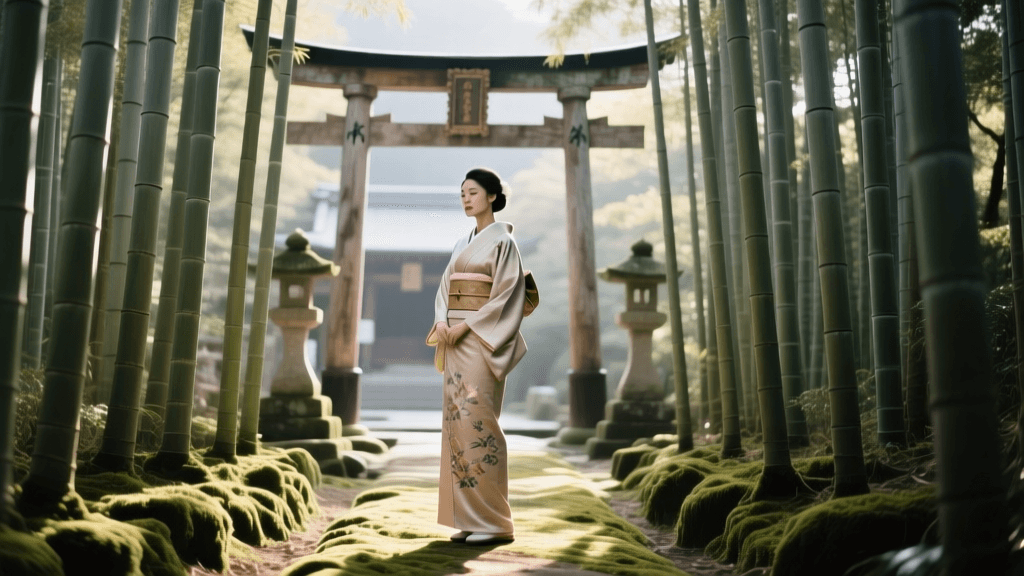
While the main Arashiyama Bamboo Grove is world-renowned for its towering green stalks and unique textural backdrop, it is notoriously crowded. For a more intimate photoshoot, venture slightly off the main path to the Okochi Sanso Villa gardens or the Gio-ji Temple. Gio-ji is famous for its lush, vibrant moss gardens and thatched-roof structures, offering a softer, more romantic backdrop that pairs beautifully with pastel spring kimono or delicate yukata in the summer months.
4. Shogunzuka Seiryuden for Panoramic Portraits
For a dramatic, sweeping perspective, Shogunzuka Seiryuden offers a massive wooden observation deck overlooking the entire Kyoto basin. This location is highly recommended for late afternoon shoots, allowing photographers to capture golden hour portraits with the sprawling city and distant mountains in the background. The expansive scale of the deck allows for wide-angle environmental portraits that showcase the flowing sleeves of a furisode against the vast sky.
Essential Photography Tips for Kimono Portraits
Photographing traditional Japanese garments requires technical precision and an understanding of how the fabric moves and interacts with light.
Lighting and Time of Day
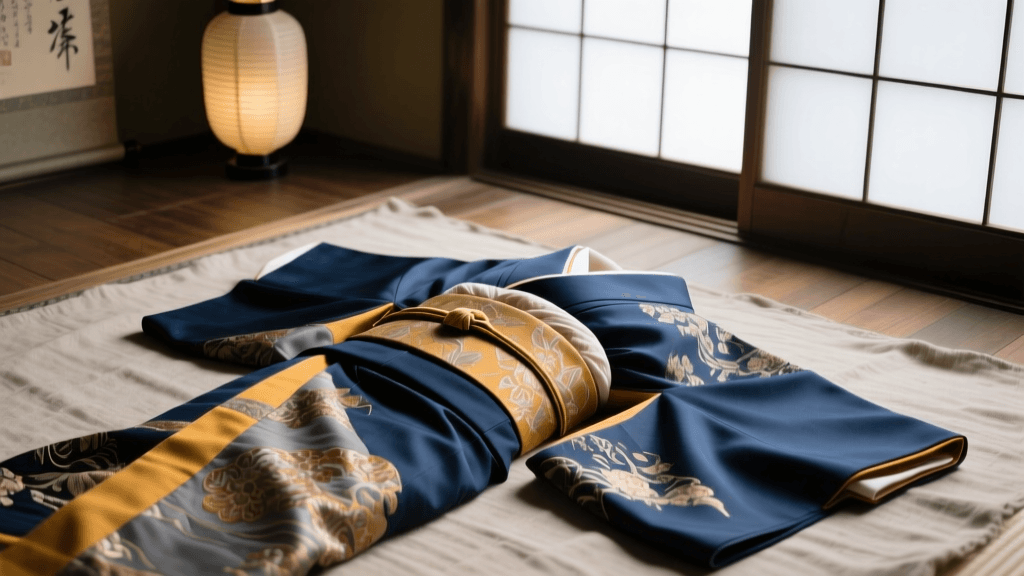
Kimoto fabrics, especially silk, are highly reflective. Harsh midday sun will create blown-out highlights on the garment and unflattering shadows under the subject's face and chin. The ideal lighting conditions are during the golden hour (shortly after sunrise or before sunset) or on an overcast day. Cloud cover acts as a natural softbox, providing even, diffused lighting that accurately renders the complex dyes of yuzen or shibori textiles without glare.
Lens Selection and Camera Settings
When shooting kimono portraits, lens choice dictates the storytelling aspect of the image. An 85mm prime lens (f/1.4 or f/1.8) is the industry standard for headshots and half-body portraits, providing beautiful background compression and bokeh that isolates the subject and the intricate details of the obi knot. For environmental portraits that capture the subject interacting with the Kyoto architecture, a 35mm lens is preferred. Keep your shutter speed above 1/200th of a second to freeze the motion of flowing sleeves, especially when the subject is walking or turning.
Posing and Garment Presentation
Proper presentation of the garment is just as important as the camera settings. A kimono is not merely clothing; it is a structured art form. Photographers and models must pay attention to the following elements:
- The Eri (Collar): The back collar must be pulled down to expose the nape of the neck, forming a perfect V-shape. This is considered one of the most elegant and alluring aspects of traditional Japanese dress.
- The Sode (Sleeves): If the model is wearing a furisode (long-sleeved kimono), utilize the sleeves to frame the face or capture them billowing gently in the wind. Ensure the inner lining (hakkake) is visible when the arms are raised.
- The Obi (Sash): The obi is the focal point of the back profile. Ensure the knot (such as the otaiko or fukura-suzume) is perfectly centered and fully visible in three-quarter back shots.
- Posture and Silhouette: A kimono is designed to create a smooth, cylindrical silhouette. The model must maintain a straight posture with shoulders relaxed and slightly rolled back. Slouching breaks the clean lines of the garment and causes the fabric to bunch awkwardly at the waist.
Photography Etiquette and Respecting Local Customs
As the popularity of kimono tourism has grown, so have the challenges regarding local etiquette. The Kyoto City Official Travel Guide emphasizes the importance of respectful tourism, particularly in historic geisha districts like Gion.
Photography in Kyoto must be conducted with mindfulness. The beauty of the city is maintained by the residents who live within these historic spaces, and their daily lives must not be disrupted for the sake of a portrait.
Photographers must strictly adhere to local rules. In Gion, photography on private streets is entirely banned, and tourists are prohibited from taking photos of geisha and maiko without explicit permission. When shooting in public spaces like temples or shrines, never block pedestrian pathways, do not use tripods in crowded areas without a permit, and avoid touching or leaning on historic structures. Always prioritize the sanctity of the location and the privacy of the locals over getting the perfect shot.
Conclusion
Capturing the essence of traditional Japanese garments in Kyoto is a rewarding endeavor that blends technical photography skills with cultural appreciation. By strategically selecting your locations, mastering the nuances of lighting and lens selection, and ensuring the kimono is presented with anatomical and cultural accuracy, you can create breathtaking portraits that honor the rich legacy of Asian textile traditions. Remember that the most beautiful photographs are those taken with patience, respect, and a deep reverence for the art of the kimono.