Xiangyunsha Silk at Paris Fashion Week 2026: Runway Trends
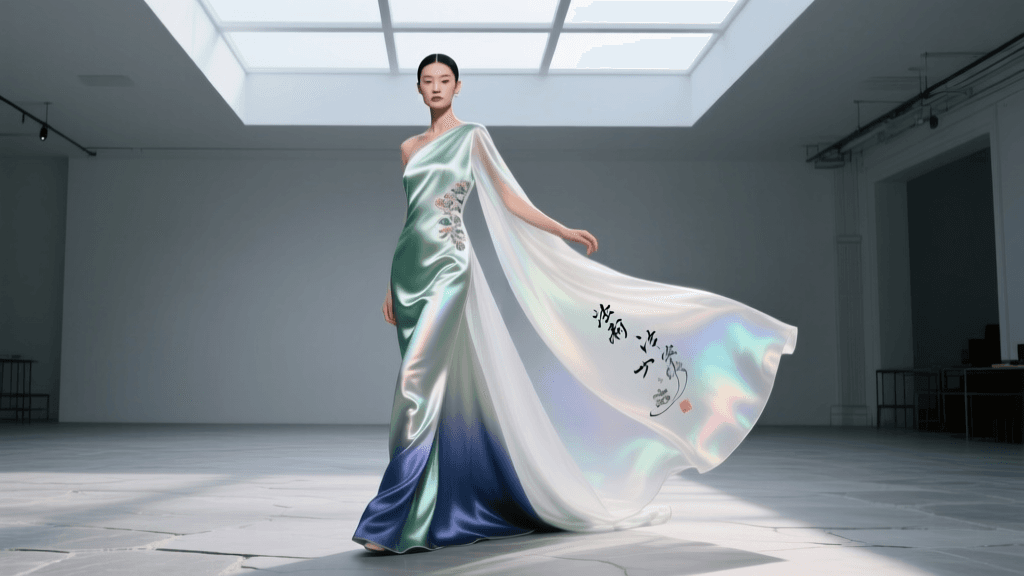
The 2026 Paris Runway: A Triumph for Xin Zhongshi
As the Spring/Summer 2026 collections unfold across the global fashion circuit, a distinct narrative has emerged from the prestigious venues of Paris Fashion Week. The Xin Zhongshi (New Chinese Style) movement has officially transitioned from a regional cultural phenomenon to a dominant force in international haute couture. No longer relying on superficial motifs or stereotypical embroidery, contemporary Chinese designers and international heritage houses are now focusing on the structural and material mastery of ancient Asian traditions. At the forefront of this 2026 movement is Xiangyunsha, a complex, mud-dyed silk that has captivated global audiences and redefined luxury textile standards on the runway.
The official schedule of the Fédération de la Haute Couture et de la Mode this season reflects a significant increase in presentations dedicated to Asian textile heritage. Designers are moving away from fast-fashion interpretations of traditional garments, opting instead to showcase the rigorous, time-honored craftsmanship that defines authentic Chinese sartorial history. This shift is not merely aesthetic; it is a profound statement on sustainability, slow fashion, and the preservation of intangible cultural heritage in an increasingly mechanized industry.
What is Xiangyunsha? The 'Soft Gold' of Chinese Textiles
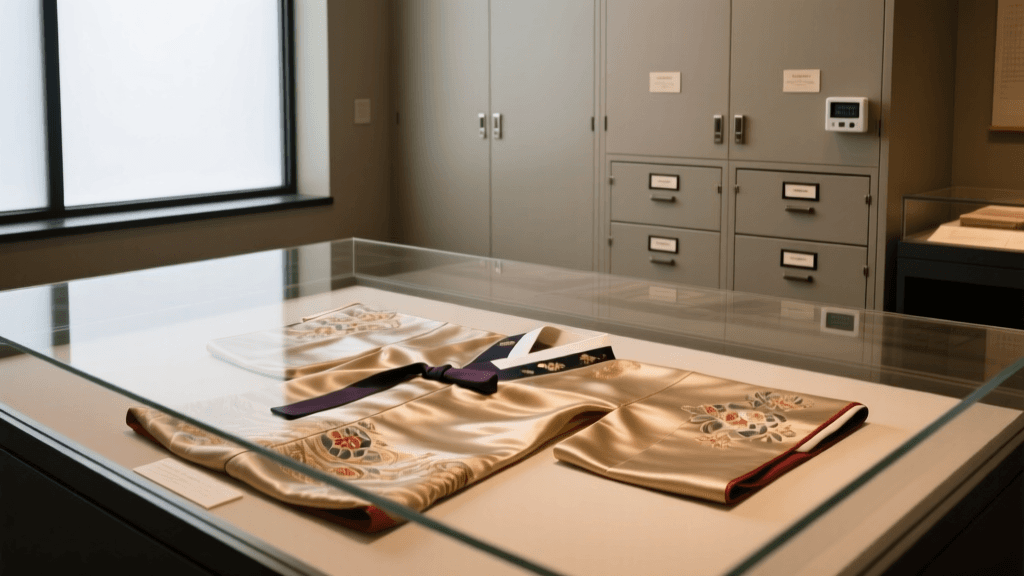
To understand the 2026 runway trends, one must first understand the material driving them. Xiangyunsha, often referred to as 'soft gold,' is a type of gambiered Guangdong silk with a history spanning over a thousand years. Its creation is an astonishing 13-step process that relies entirely on the natural environment of the Pearl River Delta. The silk is repeatedly dyed with the tannin-rich juice of the Dioscorea cirrhosa (a type of yam) and then coated with the iron-rich mud from local riverbeds. The chemical reaction between the tannins and the iron creates a unique, dual-toned fabric: a glossy, deep brownish-black on one side and a matte, earthy terracotta on the other.
Historically, the complexity of this dyeing process and its reliance on specific weather conditions—requiring intense sunlight and low humidity—made it a rare commodity. As documented in the extensive archives of global textile history, such as the Metropolitan Museum of Art's Heilbrunn Timeline of Art History, Chinese silk craftsmanship has long been a cornerstone of global trade and luxury. Today, Xiangyunsha is recognized for its extraordinary properties: it is naturally antibacterial, highly breathable, water-resistant, and possesses a distinctive crisp drape that produces a soft, rustling sound known as 'the music of silk' when the wearer moves.
The inclusion of Xiangyunsha in 2026 international design weeks highlights a growing appreciation for textiles that possess both historical weight and functional superiority. The fabric's natural stiffness allows it to hold architectural silhouettes without the need for synthetic interfacings, making it a dream material for avant-garde patternmakers.
Key Design Elements Seen in 2026 Exhibitions
This year's exhibitions in Paris and Milan have showcased a sophisticated evolution of traditional Chinese garment architecture. Designers are deconstructing and reimagining historical forms to suit modern, dynamic lifestyles while maintaining the philosophical essence of the original garments. Below is a breakdown of how traditional elements are being adapted for the 2026 global runway.
| Traditional Element | Historical Context | 2026 Runway Adaptation |
|---|---|---|
| Mamianqun (Horse-Face Skirt) | A wrap skirt featuring flat front/back panels and heavily pleated sides, popular in the Ming and Qing dynasties. | Designers are utilizing Xiangyunsha's crisp memory to create exaggerated, structural pleats that do not collapse, integrating them into asymmetrical evening gowns and tailored trench coats. |
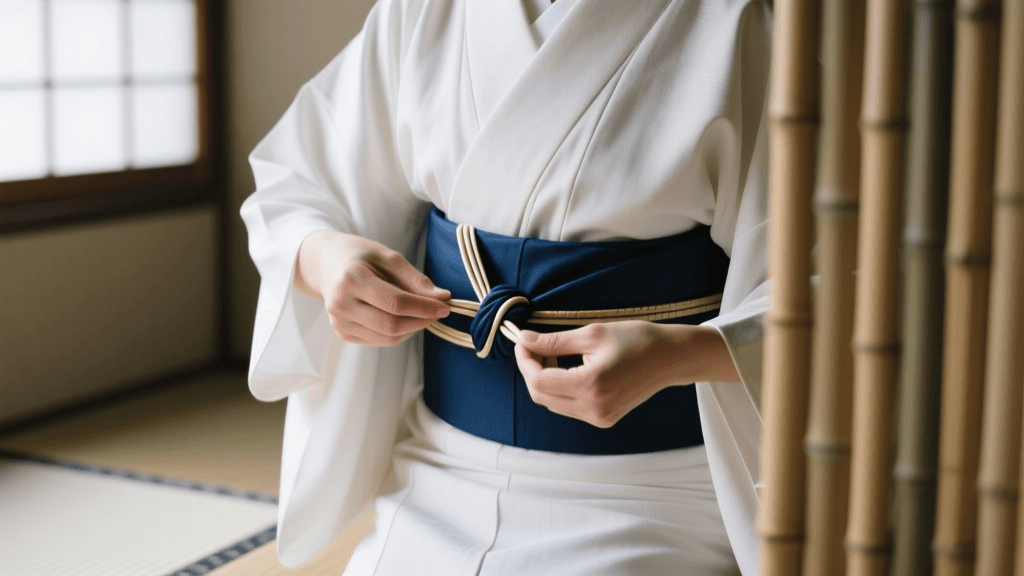
| Pankou (Knotted Buttons) | Hand-woven silk knots used as functional fasteners and decorative elements on traditional jackets. | Scaled up to macro proportions, Pankou knots are being used as structural hardware, replacing metal zippers and serving as modular fastening systems for transformable outerwear. |
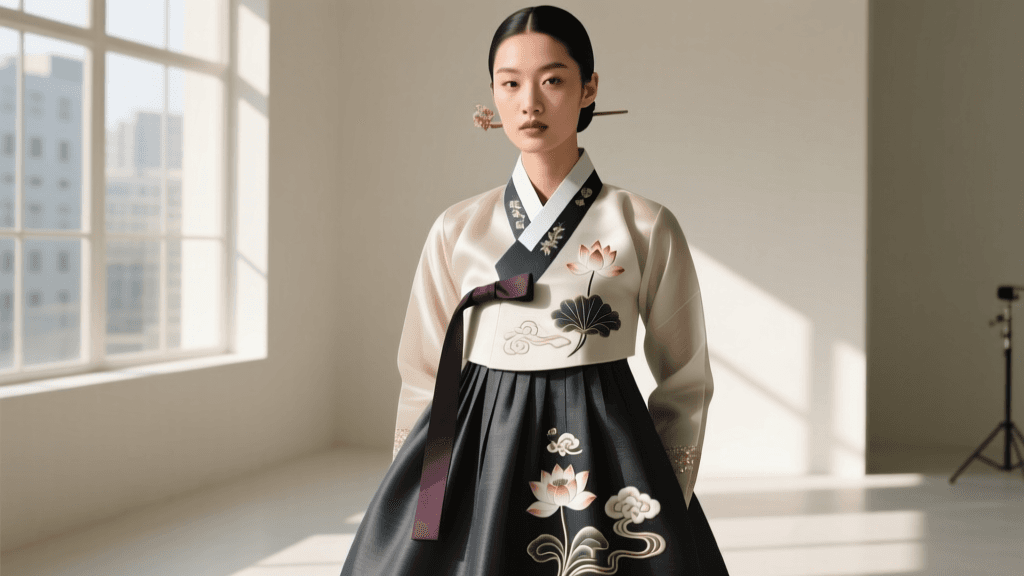
| Jiaoling Youren (Crossed Collar) | The classic right-over-left lapel crossing fundamental to Hanfu and traditional East Asian dress. | Reinterpreted through modern draping techniques, the crossed collar is being extended into sweeping, floor-length wrap silhouettes that double as evening capes. |
| Yunjian (Cloud Shoulder) | A detachable, heavily embroidered collar piece worn over the shoulders for ceremonial occasions. | Stripped of heavy embroidery, the Yunjian's geometric silhouette is being laser-cut from stiffened Xiangyunsha to create floating, architectural epaulettes on minimalist sheath dresses. |
The integration of these elements demonstrates a deep respect for the original engineering of Asian traditions. Rather than merely printing Chinese motifs onto Western silhouettes, the 2026 collections are built from the ground up using traditional pattern-cutting logic, resulting in garments that move, breathe, and drape in uniquely Eastern ways.
Sourcing and Incorporating Xiangyunsha for Designers
For international buyers, boutique owners, and independent designers inspired by the 2026 runway shows, sourcing authentic Xiangyunsha requires navigating a highly specialized and weather-dependent supply chain. The renewed global demand has placed a strain on traditional workshops in Guangdong, making advance planning essential.
2026 Sourcing Metrics and Considerations
- Market Pricing: As of 2026, authentic, hand-dyed Xiangyunsha silk ranges from $180 to $350 USD per meter, depending on the base silk weight (measured in momme) and the number of dyeing cycles. Heavier 30-momme variants command premium prices.
- Lead Times: Because the dyeing process requires specific seasonal weather (typically from April to October), lead times for custom orders are currently averaging 6 to 9 months. Designers must align their collection development with the natural dyeing calendar.
- Minimum Order Quantities (MOQs): Traditional artisanal workshops often require MOQs of 100 to 300 meters per colorway to justify the preparation of the yam juice and river mud vats.
- Certification: To ensure authenticity and support ethical labor practices, buyers should request certification of origin. The Chinese government and cultural preservation societies have implemented stricter geographical indication (GI) tags to protect genuine Gambiered Guangdong Silk from synthetic imitations.
Designers incorporating these textiles must also adjust their manufacturing techniques. Xiangyunsha cannot be treated like standard mulberry silk. It requires specialized micro-needles, Teflon presser feet to prevent snagging the crisp surface, and low-temperature steam pressing. The fabric's natural 'flaws'—such as slight variations in the mud-coating or natural fibers from the yam dye—are celebrated in the 2026 luxury market as hallmarks of human craftsmanship, contrasting sharply with the sterile perfection of mass-produced synthetics.
The Future of Asian Traditions in Global Fashion
The prominence of Chinese fashion in international design weeks is a testament to the enduring power of cultural authenticity. Organizations like UNESCO have long recognized the vital importance of preserving sericulture and silk craftsmanship, and the 2026 fashion industry is finally aligning its commercial engines with these preservation efforts. By placing ancient materials like Xiangyunsha and structural philosophies like the Mamianqun at the center of global luxury, designers are ensuring that these traditions remain living, evolving practices rather than static museum artifacts.
As we look toward the Autumn/Winter 2026 exhibitions and beyond, the integration of Asian traditions in global fashion will likely deepen. The focus will continue to shift toward material innovation rooted in heritage, sustainable dyeing practices, and the celebration of the artisan's hand. For the global fashion community, the message from the 2026 runways is clear: true luxury in the modern era is defined by history, craftsmanship, and the profound stories woven into the very fabric of our garments.