Hanbok and Qipao Trends in 2026 Global Fashion Media
The 2026 Paradigm Shift in Asian Fashion Representation
As we navigate the global fashion landscape of 2026, the representation of Asian traditional garments in high-fashion media has undergone a profound and necessary evolution. Gone are the days of superficial exoticism and loose, inaccurate interpretations that dominated early 2020s editorials. Today, leading publications like Vogue, Harper's Bazaar, and i-D are collaborating directly with heritage artisans, cultural historians, and contemporary Asian designers to present the Hanbok and the Qipao (Cheongsam) with structural authenticity and deep cultural reverence. This shift is not merely a trend; it is a fundamental restructuring of how global fashion media approaches non-Western sartorial heritage.
In 2026, the focus has pivoted toward the intersection of historical construction techniques and avant-garde editorial styling. Fashion directors are no longer treating these garments as mere costumes for thematic photoshoots. Instead, they are highlighting the intricate textile engineering, sustainable dyeing processes, and architectural silhouettes that make Asian traditional garments some of the most sophisticated in the world. This comprehensive guide explores how the Hanbok and Qipao are being styled, sourced, and celebrated in 2026's global fashion media.
The Hanbok: Structural Volume and Gongdan Silk in 2026 Editorials
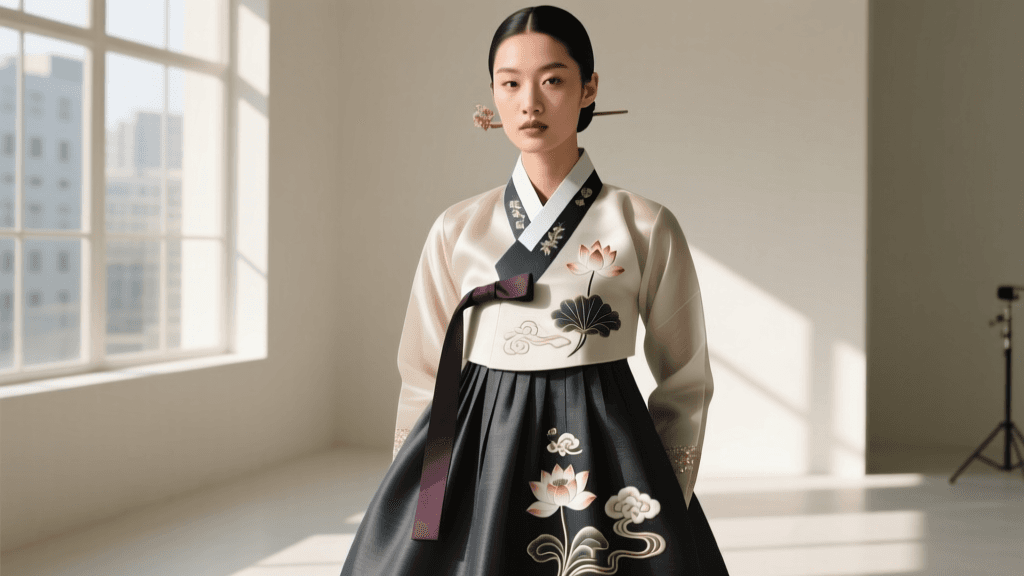
The Korean Hanbok, characterized by its vibrant colors and elegant, flowing lines, has become a centerpiece in 2026's most celebrated fashion editorials. The fundamental structure of the Hanbok, particularly the interplay between the jeogori (jacket) and the chima (skirt), offers a masterclass in geometric volume. According to historical archives maintained by the Metropolitan Museum of Art, the Hanbok's silhouette is designed to conceal the body's natural lines while emphasizing grace and movement, a concept that 2026 stylists are leveraging to create striking, sculptural imagery.
In recent high-fashion spreads, we are seeing a departure from the standard, mass-produced rental Hanboks often seen in tourist districts. Instead, 2026 editorials are featuring bespoke garments crafted from gongdan (palace silk) and myeongju (high-quality raw silk). Stylists are playing with proportions, pairing dramatically elongated, trench-style jeogori with streamlined, pencil-slit chima skirts that feature traditional hidden pockets. This juxtaposition of historical volume and modern tailoring creates a dynamic visual tension that translates beautifully to the printed page and digital lookbooks.
Furthermore, the traditional goreum (the long, flowing ribbon used to tie the jacket) is being reimagined in 2026 media. Rather than simply tying it at the chest, avant-garde stylists are using the goreum as an integrated accessory, wrapping it around the shoulders or weaving it through structured leather harnesses, bridging the gap between Joseon-era elegance and contemporary cyberpunk aesthetics.
The Qipao: Xiangyunsha Mud Silk and Modern Pankou Knots
Simultaneously, the Qipao (or Cheongsam) is experiencing a massive renaissance in global fashion media, moving far beyond the mid-century clichés that once defined its Western perception. The Victoria and Albert Museum notes that the Qipao has always been a garment of modernity and adaptation, evolving rapidly through the 1920s and 1930s to reflect the changing roles of women. In 2026, this spirit of adaptation continues, but with a fierce commitment to sustainable, heritage-grade textiles.
The most highly coveted fabric in 2026's luxury Qipao editorials is xiangyunsha, often referred to as 'mud silk.' This extraordinary fabric, which is recognized and protected under UNESCO's Intangible Cultural Heritage frameworks, is dyed using the juice of the shoulang plant and coated with iron-rich river mud from the Pearl River Delta. The result is a fabric that is naturally cooling, water-resistant, and possesses a distinctive, paper-like rustle. High-fashion magazines are dedicating multi-page spreads to the eco-luxury appeal of xiangyunsha, highlighting its dark, earthy tones and organic, crackled textures that photograph with incredible depth.
Another focal point in 2026 Qipao styling is the pankou (frog buttons). Traditionally made from fabric knots, the 2026 editorial landscape features pankou crafted from innovative materials. We are seeing buttons carved from sustainable bio-resins, forged from recycled aerospace-grade titanium, and even embedded with micro-LEDs for eveningwear editorials. These intricate fastenings are no longer just functional; they are the primary jewelry of the garment, drawing the viewer's eye and serving as the anchor for the entire editorial narrative.
Editorial Comparison: Traditional Heritage vs. 2026 High-Fashion Styling
To understand the precise shifts in how global media is styling these garments, it is helpful to compare traditional construction rules with the creative liberties taken in 2026's top-tier fashion publications.
| Garment | Traditional Element | 2026 Editorial Adaptation | Media Impact |
|---|---|---|---|
| Hanbok | Voluminous, floor-sweeping Chima (skirt) | Asymmetrical hemlines with structured, visible corsetry underneath | Highlights architectural silhouettes; creates dramatic shadows in studio lighting |
| Hanbok | Short, high-waisted Jeogori (jacket) | Elongated, oversized outerwear iterations in heavyweight brocades | Blends historical menswear motifs with contemporary gender-fluid styling |
| Qipao | Form-fitting, knee-or-ankle length cut | Deconstructed panels with deep slits and layered organza underlays | Emphasizes movement and fluidity in dynamic, outdoor runway photography |
| Qipao | Fabric Pankou (frog knot closures) | Oversized, 3D-sculpted metallic or bio-resin closures | Serves as macro-photography focal points for accessory and detail pages |
Actionable Guide: Sourcing and Styling Heritage Garments Today
For independent stylists, costume designers, and fashion students looking to incorporate authentic Asian garments into their 2026 portfolios, sourcing is paramount. The global fashion media has zero tolerance for cultural misrepresentation or the use of cheap, mass-produced synthetic imitations. Here is how professionals are sourcing and styling these pieces today:
- Sourcing Authentic Hanbok Silks: For genuine gongdan and traditional hemp weaves, stylists are bypassing standard retail and heading directly to the heritage incubators at the Dongdaemun Design Plaza (DDP) in Seoul. Expect to pay between $80 and $140 per yard for authentic, domestically woven silk brocades in 2026. Always request the artisan's certification of origin to ensure ethical labor practices.
- Acquiring Xiangyunsha Mud Silk: True mud silk requires a specific climate and weeks of sun-drying. In 2026, legitimate suppliers in Guangdong province charge a premium, typically ranging from $180 to $250 per yard. When styling, avoid using steam irons directly on the fabric; instead, use a cold-air steamer to preserve the integrity of the mud-coating and its signature rustling sound.
- Modernizing the Silhouette: When styling a traditional Qipao for a modern editorial, avoid pairing it with vintage Hollywood accessories. Instead, contrast the garment's inherent elegance with brutalist, heavy-metal footwear or oversized, utilitarian outerwear. This contrast grounds the garment in the present day and prevents the editorial from feeling like a period-piece reenactment.
- Respecting the Cut: Never alter the fundamental collar structure (mandarin collar or standing collar) of a Qipao or the deep V-neckline intersection of a Hanbok's jeogori. These geometric lines are sacred to the garment's identity. Altering them destroys the historical integrity and will immediately be flagged by culturally literate fashion critics.
The Impact of AR and Digital Twins in Fashion Media
A defining characteristic of 2026's fashion media is the integration of Augmented Reality (AR) and digital twins to showcase the unique properties of Asian textiles. Because the beauty of xiangyunsha lies in its reaction to light and movement, and the Hanbok's chima relies on the physics of its drape, static photography is often insufficient.
Leading digital fashion platforms and interactive magazine apps now allow readers to scan a QR code and project a 3D, physics-accurate digital twin of the garment into their own space. This technology has been instrumental in educating global audiences on the construction of the Hanbok. Users can virtually 'disassemble' the layers of the garment, examining the inner ties, the structural petticoats, and the precise geometry of the flat-pattern cutting that allows the garment to fold perfectly flat when not in use—a stark contrast to Western tailored garments that require three-dimensional shaping and hangers.
Conclusion
The year 2026 marks a triumphant era for the Hanbok and the Qipao in global fashion media. By prioritizing authentic textiles, respecting historical construction, and embracing modern, avant-garde styling, the fashion industry has finally moved past appropriation and into genuine appreciation and collaboration. As stylists and designers continue to explore the rich archives of Asian sartorial heritage, the global runway will only become richer, more diverse, and infinitely more innovative. For those working in fashion media today, the mandate is clear: honor the craft, source ethically, and let the profound history of these garments guide your creative vision.