Silk Kimono & Hanbok Preservation: 2026 Archival Storage Guide
The Imperative of Preserving Asian Silk Garments
Asian traditional garments, particularly the Japanese kimono and the Korean hanbok, represent centuries of textile artistry, cultural heritage, and masterful craftsmanship. Whether you are a private collector, a museum curator, or an individual safeguarding a family heirloom, the preservation of these garments requires specialized knowledge. As we navigate the conservation standards of 2026, the focus has shifted heavily toward preventive conservation—mitigating risks before they cause irreversible damage. Silk, the primary fiber used in high-end kimonos and traditional hanboks, is a delicate protein structure that demands rigorous environmental control and chemically inert storage materials.
Understanding Silk: Fibroin, Sericin, and Vulnerabilities
To properly care for a vintage silk kimono or a silk hanbok chima (skirt), one must first understand the chemistry of the fiber. Silk is composed of two main proteins: fibroin (the structural center) and sericin (the gummy outer coating). While modern commercial silks are often degummed to remove sericin for a softer drape, the remaining fibroin structure remains highly susceptible to acid hydrolysis, photo-oxidation, and alkaline degradation.
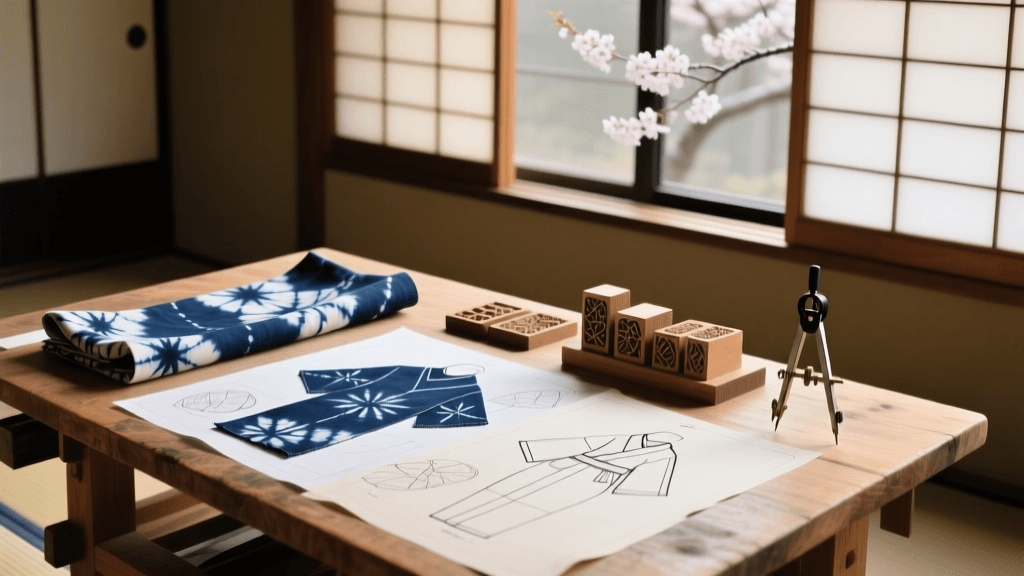
Unlike plant-based cellulose fibers such as cotton or linen, protein fibers like silk will permanently weaken and shatter if exposed to alkaline environments or fluctuating humidity. Furthermore, the intricate dyeing techniques used in Asian garments—such as Japanese yuzen resist-dyeing or Korean natural indigo and safflower dyeing—can be highly fugitive, meaning they may bleed or fade if exposed to improper pH levels or excessive light.
2026 Climate Control Standards for Textile Archives
In 2026, the consensus among global textile conservators emphasizes strict stabilization of both temperature and relative humidity (RH). Fluctuations in RH cause silk fibers to repeatedly absorb and release moisture, leading to mechanical stress, micro-tears, and the eventual failure of the fabric's tensile strength.
- Temperature: Maintain a stable environment between 65°F and 68°F (18°C - 20°C). Lower temperatures slow down chemical degradation but must be balanced against the risk of condensation.
- Relative Humidity (RH):strong> The ideal RH for silk is strictly between 45% and 55%. Levels above 60% invite mold growth and dye bleeding, while levels below 40% cause the fibroin to become brittle and prone to shattering along fold lines.
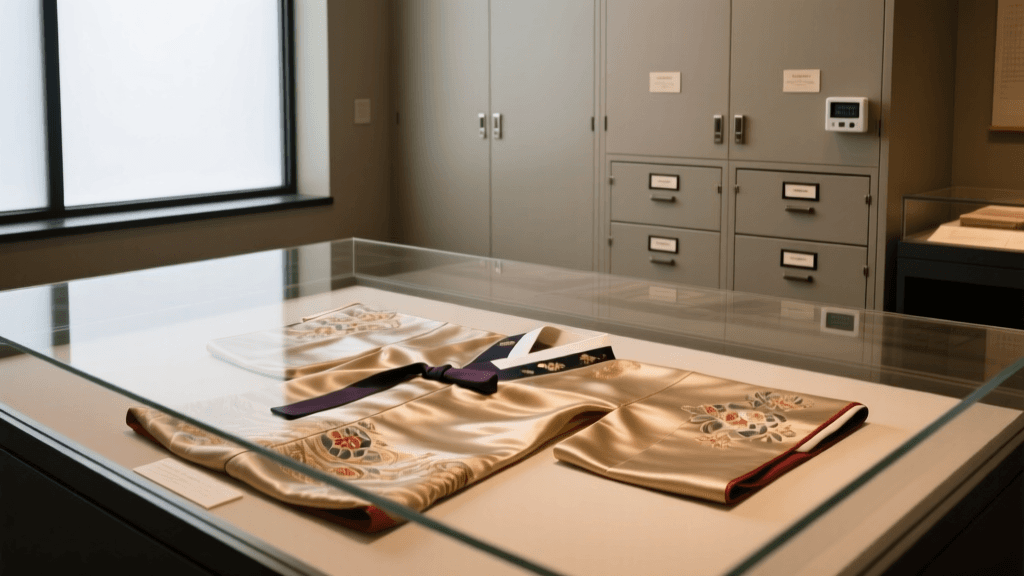
- Light Exposure: Silk should be stored in total darkness. If displayed, lux levels must not exceed 50 lux, and all UV radiation must be filtered out entirely using modern UV-blocking acrylic glazing.
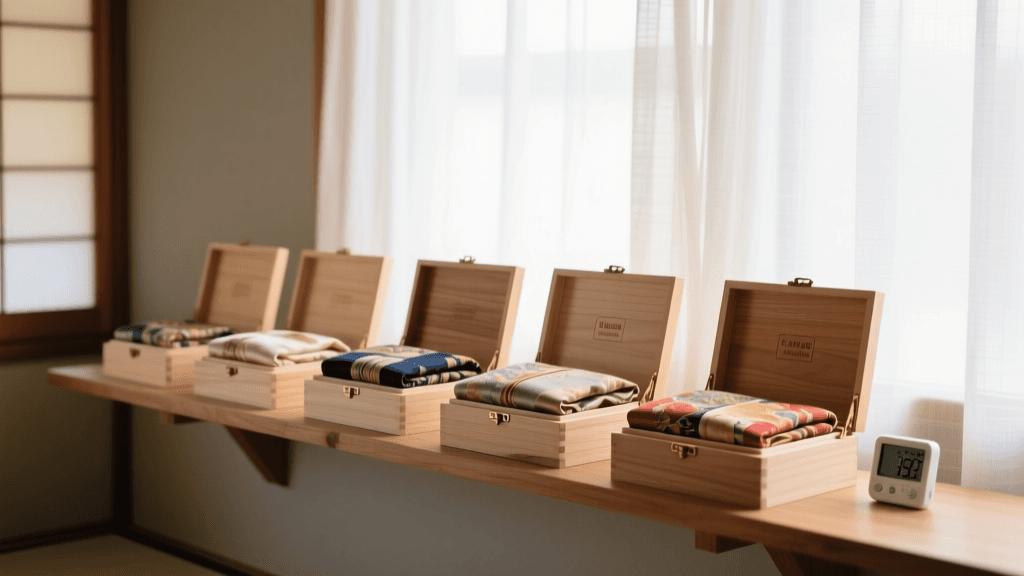
To monitor these conditions, collectors in 2026 rely on smart environmental sensors like the Govee Smart Hygrometer H5179 (2026 Edition) or SensorPush HTP.xw, which provide continuous data logging and push notifications to your smartphone if the microclimate inside an archival box or storage room deviates from the safe parameters.
Archival Storage Materials: What to Use and What to Avoid
The most common mistake amateur collectors make is using standard cardboard boxes, plastic dry-cleaning bags, or cedar chests. Standard cardboard is highly acidic and will cause 'acid migration,' leaving permanent brown scorch marks on the silk. Dry-cleaning bags are made of polyvinyl chloride (PVC) or low-grade polyethylene, which off-gas plasticizers and trap moisture, leading to yellowing and mold.
According to the Canadian Conservation Institute, textile storage must prioritize chemically stable, inert materials that pass the Photographic Activity Test (PAT). Below is a comparison of materials for preserving silk kimonos and hanboks in 2026.
| Material Type | Recommended for Silk? | 2026 Estimated Cost | Conservation Notes |
|---|---|---|---|
| Unbuffered Acid-Free Tissue | Yes (Essential) | $28 / 100 sheets | Prevents acid migration without introducing alkaline salts that degrade protein fibers. |
| Buffered Acid-Free Tissue | No (Avoid) | $26 / 100 sheets | Contains calcium carbonate. The alkalinity will permanently damage silk and wool. |
| Archival Corrugated Board Box | Yes (Essential) | $55 - $95 per box | Must be lignin-free and PAT-tested. Provides structural support and buffers against RH spikes. |
| Polyethylene (PE) Plastic Bins | Conditional | $35 - $60 per bin | Use only as a secondary external dust/water barrier. Never let silk touch the plastic directly. |
| PVC or Vinyl Garment Bags | No (Avoid) | $15 - $25 per bag | Off-gasses plasticizers that permanently stain and embrittle silk fibers. |
| Unwashed Muslin / Cotton Covers | Conditional | $20 - $40 per cover | Must be pre-washed in hot water to remove sizing and optical brighteners before use. |
The Art of Folding: Preventing Crease Memory and Shattering
While hanging is appropriate for some Western garments, it is generally discouraged for heavy, multi-layered silk kimonos or heavily embroidered hanbok jackets (jeogori), as the weight of the garment will distort the shoulders and stress the seams over time. Flat storage in archival boxes is the museum standard.
However, folding silk creates hard creases. Over years, the fibers at the apex of these creases will suffer from 'crease memory' and eventually shatter. To prevent this, conservators use a technique called 'tissue padding'.
- Prepare the Base: Line the bottom of your archival corrugated box with several sheets of unbuffered acid-free tissue.
- Pad the Folds: As you fold the kimono or hanbok along its traditional seams, roll unbuffered tissue into soft, cylindrical 'snakes' or 'sausages'.
- Insert the Snakes: Place these tissue snakes directly into every fold line. This creates a gentle, rounded curve rather than a sharp, hard crease, distributing the mechanical stress across a wider area of the fabric.
- Cushion the Embellishments: For hanboks with raised gold foil stamping (geumbak) or kimonos with heavy metallic thread embroidery, place additional flat sheets of tissue over the embellishments to prevent them from abrading against the opposite layer of silk.
- Seal the Box: Close the lid and secure it with unbleached cotton twill tape. Avoid using metal paperclips, rubber bands, or adhesive tapes, which will rust, melt, or leave permanent chemical burns on the textile.
Conservator's Tip: Never store a silk kimono or hanbok with its accessories. The metallic threads of a Japanese obi belt or the heavy metal clasps of a Korean goreum (ribbon tie) can snag the silk or cause localized galvanic corrosion. Store accessories in separate, smaller archival boxes.
Integrated Pest Management (IPM) for Protein Fibers
Silk is a primary food source for the larvae of the webbing clothes moth (Tineola bisselliella) and the black carpet beetle (Attagenus unicolor). In the past, collectors relied on naphthalene or paradichlorobenzene (traditional mothballs). In 2026, these toxic fumigants are strictly avoided in professional conservation due to their carcinogenic properties and the fact that they can chemically react with certain dyes, causing irreversible color shifts.
Modern preservation relies on Integrated Pest Management (IPM). The MuseumPests.net working group, a global coalition of conservation professionals, outlines non-toxic, highly effective eradication protocols for infested textiles:
- Pheromone Traps: Deploy sticky traps baited with species-specific pheromones in your storage room to monitor for adult male moths. This provides early warning before breeding occurs.
- The Freezing Protocol: If you suspect an active infestation, isolate the garment immediately. Seal the silk item in a polyethylene bag, expelling as much air as possible to prevent frost formation on the fabric. Place the bag in a standard chest freezer set to at least -20°C (-4°F) for a minimum of 72 hours. This kills all life stages of the pest, from eggs to adults.
- Thawing: Remove the bag from the freezer and allow it to acclimate to room temperature slowly over 24 hours before opening. Opening it too quickly will cause ambient moisture to condense on the cold silk, leading to water spots and potential dye bleeding.
- Anoxia Treatment: For extremely fragile, museum-grade kimonos that cannot withstand the mechanical stress of freezing, conservators use Escal anoxia bags. These specialized barrier films are sealed with oxygen absorbers, reducing the internal oxygen level to below 0.1%, effectively asphyxiating any pests over a 21-day period without the use of chemicals or temperature extremes.
Preparation and Cleaning Before Archival Storage
Never store a garment that has been worn without professional assessment. Human perspiration, skin oils, and cosmetic residues contain salts and acids that will oxidize over time, manifesting as stubborn yellow stains that attract pests. However, traditional dry cleaning using perchloroethylene (PERC) is increasingly recognized as too harsh for fragile vintage silk and antique dyes.
In 2026, the preferred method for preparing Asian garments for long-term storage is professional 'wet cleaning' or specialized solvent cleaning by a certified textile conservator. These experts use neutral pH surfactants and deionized water to gently lift soils without stripping the silk's natural luster or causing the dyes to run. If professional cleaning is not immediately accessible, gently air the garment out in a shaded, climate-controlled room for 48 hours before boxing it, and inspect it meticulously with a UV flashlight to identify any hidden organic stains.
Conclusion: Stewardship for the Future
Preserving a vintage silk kimono or a traditional Korean hanbok is an act of cultural stewardship. By adhering to the 2026 standards of climate control, utilizing chemically inert unbuffered archival materials, employing tissue-padding folding techniques, and practicing vigilant, non-toxic pest management, you ensure that these magnificent garments survive for future generations. The investment in museum-grade storage is minimal compared to the irreversible loss of a century-old textile masterpiece.