Xiangyunsha Silk at Paris Fashion Week 2026: Buyer Guide
The Xin Zhongshi Movement Takes Paris in 2026
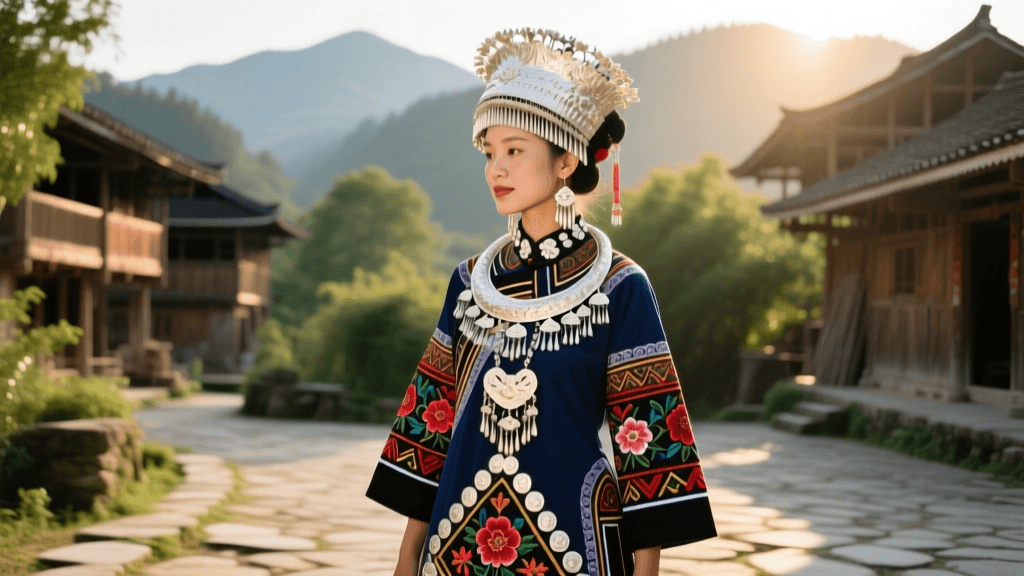
As the global fashion calendar turns to Paris Fashion Week (PFW) and Première Vision Paris for the Autumn/Winter 2026 and Spring/Summer 2027 seasons, a distinct cultural shift is dominating the showrooms and exhibition floors. The 'Xin Zhongshi' (New Chinese Style) movement has evolved from a regional trend into a formidable international force. No longer reliant on superficial oriental motifs, today's leading Chinese designers are grounding their collections in rigorous historical research and authentic heritage textiles. For international buyers, curators, and boutique owners, navigating this landscape requires a deep understanding of traditional Asian materials, particularly those making their grand debut on the Parisian runways.
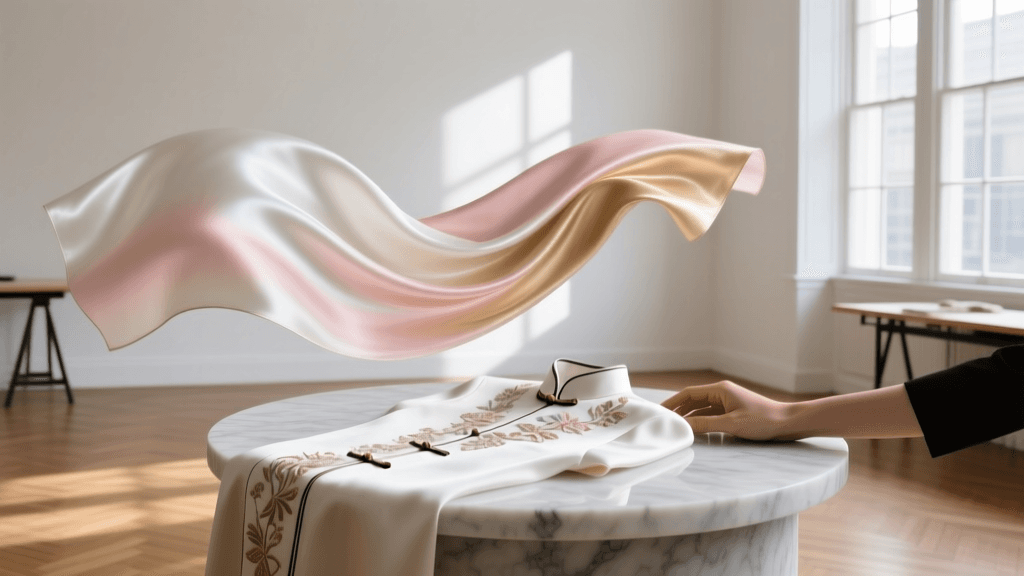
Among the most highly sought-after materials this season is Xiangyunsha, also known as Gambiered Canton Gauze. Often referred to as 'soft gold' in the textile industry, this ancient silk has become the centerpiece for luxury Xin Zhongshi collections. According to ongoing industry analysis from The Business of Fashion, the demand for authentic, traceable heritage textiles from China has surged by over 40% among European luxury conglomerates and independent high-end retailers heading into 2026. This guide provides actionable intelligence for buyers looking to source, verify, and purchase Xiangyunsha and other heritage silks at international design weeks.
What is Xiangyunsha? The 'Soft Gold' of Silk
Xiangyunsha is a highly specialized, labor-intensive silk fabric originating from the Shunde district in Guangdong Province, China. Its creation is a masterclass in natural alchemy, combining premium mulberry silk with the juice of the gambier yam (Dioscorea cirrhosa) and the iron-rich mud from specific Pearl River delta ponds. The fabric is repeatedly dyed, sun-dried, and mud-coated over several weeks, a process that can only occur during the intense sunlight of the southern Chinese summer, typically between April and October.
The result is a textile that is entirely unique in the global market. It possesses a distinct dual-tone appearance: a glossy, dark brownish-black face and a matte, earthy brown reverse. The fabric is naturally water-resistant, breathable, antibacterial, and develops a beautiful patina over time. Recognized for its immense cultural value, the traditional dyeing technique has been safeguarded and celebrated by institutions globally, echoing the preservation efforts highlighted by the UNESCO Intangible Cultural Heritage initiatives for traditional Asian craftsmanship.
Sourcing at Première Vision Paris 2026: A Tactical Guide
Première Vision Paris, held at the Paris Nord Villepinte exhibition center, remains the premier destination for sourcing raw materials. In 2026, the organizers have significantly expanded the 'Smart Creation' and 'Heritage Textiles' sectors to accommodate the influx of certified Chinese silk mills and artisan cooperatives.
Navigating the Halls and Smart Creation
For buyers specifically targeting Xiangyunsha and Song Brocade, head directly to Hall 6, which houses the sustainable and heritage-focused exhibitors. Look for booths displaying the official 'Intangible Cultural Heritage of China' certification. Many authentic producers from Shunde and Suzhou are now partnering with European import agencies to handle logistics, meaning you can negotiate directly with mill representatives who understand EU import tariffs, REACH compliance for natural dyes, and sustainability certifications.
Understanding MOQs and 2026 Pricing
Because Xiangyunsha is entirely dependent on weather conditions and manual labor, supply is inherently limited. For the 2026 sourcing season, buyers must adjust their expectations regarding Minimum Order Quantities (MOQs) and lead times. Wholesale pricing for authentic 19-momme to 30-momme Xiangyunsha currently ranges from €95 to €160 per meter, depending on the base silk weight and the complexity of the jacquard weave. MOQs generally start at 300 meters per colorway, with lead times stretching 6 to 9 months, as the mud-dyeing process cannot be rushed or replicated in winter.
Heritage Textile Comparison for International Buyers
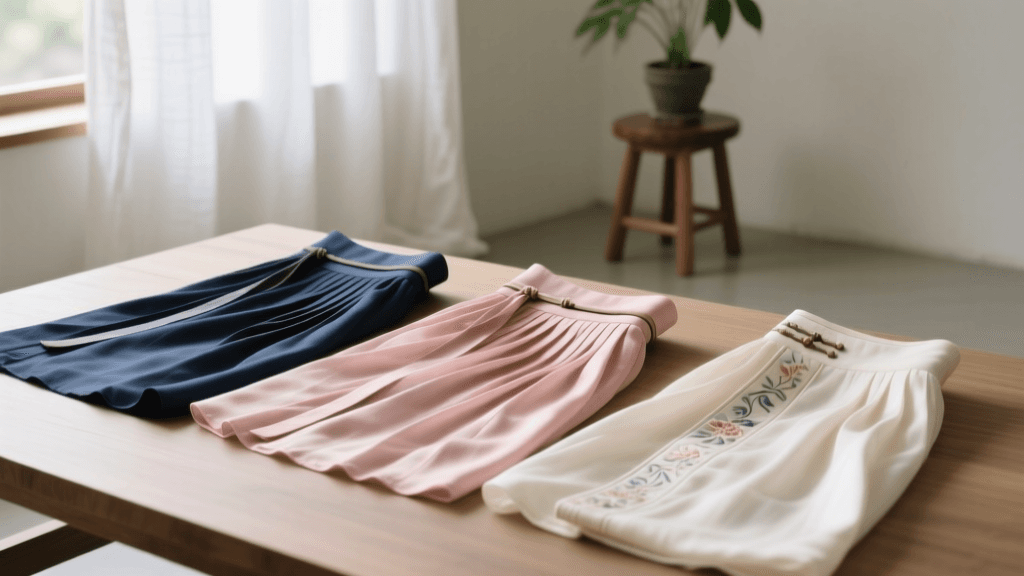
When building a Xin Zhongshi collection, buyers often must choose between various heritage textiles. Below is a strategic comparison of the top three materials featured at PFW 2026 to help you align your purchasing with your brand's price point and production timeline.
| Textile | Origin | 2026 Avg. Wholesale Price | MOQ | Lead Time | Best Application |
|---|---|---|---|---|---|
| Xiangyunsha (Gambiered Gauze) | Shunde, Guangdong | €95 - €160 / meter | 300m | 6-9 Months | Structured outerwear, flowing summer dresses, luxury linings |
| Song Brocade (Song Jin) | Suzhou, Jiangsu | €120 - €220 / meter | 200m | 4-6 Months | Evening wear, tailored jackets, formal Xin Zhongshi suits |
| Su Embroidery (Hand-stitched) | Suzhou, Jiangsu | €800+ / panel | 50 panels | 10-14 Months | Couture pieces, bespoke bridal, exhibition garments |
Authenticity Verification: Spotting Real Gambiered Gauze
As the popularity of Xin Zhongshi grows, so does the market for counterfeit Xiangyunsha. Synthetic imitations or chemically dyed silks are frequently passed off as the real deal at international trade shows. Buyers must know how to verify authenticity on the showroom floor.
- The 'Crackle' Sound: Genuine Xiangyunsha produces a very specific, crisp rustling sound when rubbed between the fingers, often described in Chinese as 'gui-lie' (crackling). Imitations made from standard silk or rayon lack this acoustic property.
- The Reverse Side: Flip the fabric over. Authentic Xiangyunsha features a matte, dark brown or earthy-tan reverse side where the river mud was applied. If the reverse side is pure black or identical to the front, it is chemically dyed and not authentic.
- The Scent Test: While finished garments are usually aired out, raw bolt fabric should carry a very faint, earthy scent reminiscent of dried grass and river mud, a byproduct of the gambier yam and iron-rich mud reaction. Chemical imitations will smell like synthetic dyes or vinegar.
- Water Absorption: Due to the mud-coating process, authentic Xiangyunsha is naturally water-resistant. A drop of water placed on the face of the fabric should bead up slightly before absorbing, whereas standard silk will absorb it instantly.
Key Chinese Designers Showcasing Heritage in 2026
To understand how these textiles are being commercialized for the global market, buyers should study the collections of the vanguard designers presenting in Paris this year. Brands like Ms MIN continue to lead the luxury Xin Zhongshi space, utilizing Xiangyunsha to create architectural, modern silhouettes that appeal to a high-net-worth international clientele. Meanwhile, Samuel Guì Yang masterfully blends traditional Chinese tailoring with Western draping techniques, frequently employing Song Brocade and gambiered silks to create sharp, contemporary suiting. For historical context on how these silhouettes have evolved over centuries, the Victoria and Albert Museum's Asia Collections provides an invaluable digital and physical archive that informs many of today's top designers.
Care, Storage, and Maintenance for Wholesale Buyers
Purchasing heritage silk is only the first step; maintaining its integrity during international shipping and retail storage is critical. Xiangyunsha is remarkably durable compared to standard silk, but it requires specific care protocols. When receiving shipments from China, ensure the fabric is rolled on acid-free tubes, never folded, as the natural mud-coating can develop permanent crease marks if stored flat for extended periods.
Instruct your retail staff to advise customers against dry cleaning Xiangyunsha whenever possible. The harsh chemicals strip the natural gambier yam coating, ruining the fabric's water resistance and patina. Instead, recommend gentle hand-washing in cool water with a pH-neutral silk detergent, followed by air-drying in the shade. Direct sunlight during the drying phase can cause uneven fading on the mud-treated surface. For boutique displays, keep the garments away from direct halogen or UV lighting to preserve the rich, dual-tone coloration.
Conclusion
Paris Fashion Week and Première Vision in 2026 represent a golden era for the global appreciation of Asian traditional garments and textiles. The Xin Zhongshi movement has matured into a sophisticated dialogue between ancient craftsmanship and modern luxury. By understanding the intricate origins of Xiangyunsha, mastering the logistics of international sourcing, and rigorously verifying authenticity, buyers can successfully integrate these extraordinary heritage textiles into their global offerings. As the world continues to look East for true sartorial innovation, those who respect and understand the roots of these fabrics will lead the market.