Hanfu Travel Wardrobe 2026: Packing Essentials & Destination Guide
The Rise of Hanfu Heritage Tourism in 2026
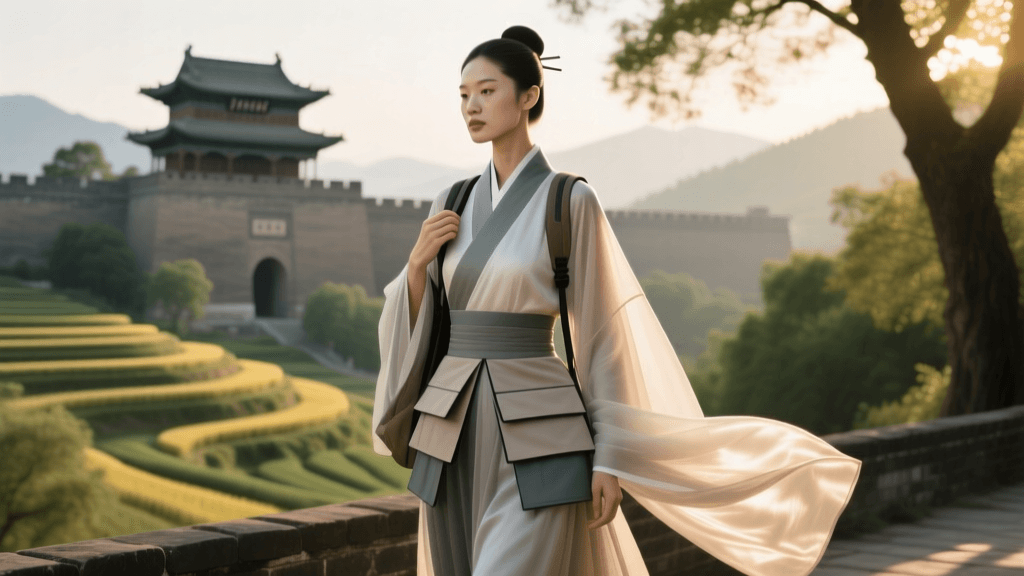
As global travel fully embraces cultural immersion in 2026, the phenomenon of 'Hanfu tourism' has evolved from a niche hobby into a mainstream movement. Travelers are no longer just visiting historical sites; they are actively participating in the living history of Asian traditions by wearing traditional Chinese garments across global heritage destinations. However, traveling with centuries-old silhouettes presents unique logistical challenges. From preserving the razor-sharp pleats of a Mamianqun (horse-face skirt) to navigating the cobblestone streets of Europe in flowing silk, building a functional Hanfu travel wardrobe requires strategic planning, modern fabric technology, and a deep understanding of destination-specific styling.
This comprehensive guide explores the essential packing strategies, modular wardrobe concepts, and cultural etiquette required for the modern Hanfu traveler in 2026. Whether you are planning a photography expedition to the deserts of Dunhuang or a cultural exchange in Kyoto, mastering the art of the Hanfu travel wardrobe will ensure your garments remain pristine and your journey remains respectful.
The Modular Hanfu Wardrobe: Mix-and-Match Mastery
The secret to packing light without sacrificing variety lies in the modular nature of traditional Chinese clothing. Unlike modern Western fashion, which often relies on one-piece dresses or highly specific coordinated sets, Hanfu is inherently separates-based. By carefully selecting interchangeable pieces, you can create a capsule wardrobe that yields multiple distinct outfits from just a few garments.
For a standard two-week trip, the ideal 2026 travel capsule consists of three tops and two bottoms. This combination provides six unique outfits, easily transitioning from casual daytime exploration to formal evening dinners. Consider packing a Song Dynasty Beizi (a parallel-collar, open-front jacket) for lightweight layering, a Ming Dynasty Ao (a structured, lined top with a standing collar) for cooler evenings or formal settings, and a versatile Tang-style Ru (a short, cross-collared blouse) for warm-weather layering. Pair these with a heavily pleated Mamianqun and a simpler, unpleated Song-style wrap skirt to maximize your styling options while minimizing luggage weight.
Fabric Technology: What to Pack for Wrinkle-Free Transit
Historically, Hanfu was crafted from pure mulberry silk, ramie, or linen. While beautiful, these natural fibers are notoriously difficult to maintain in a hotel room without professional pressing equipment. Fortunately, the textile innovations of 2026 have introduced 'heritage-performance' fabrics specifically designed for the traveling Hanfu enthusiast.
When selecting garments for your travel wardrobe, prioritize shape-memory jacquards and Tencel-linen blends. Shape-memory yarns, woven with a high-twist polyester-silk core, mimic the lustrous drape and acoustic rustle of pure silk but bounce back to their original shape after being compressed in a suitcase. Tencel-linen blends offer the breathable, matte texture of historical summer ramie but resist deep creasing and dry rapidly if hand-washed in a hotel sink. Avoid pure, unblended silks for your primary travel skirts, as the friction of transit can cause permanent micro-tears in the delicate fibers.
The Art of the Fold: Preserving the Mamianqun
The Mamianqun is the cornerstone of the modern Hanfu wardrobe, but its intricate side pleats (zhe) require specialized packing techniques. Never roll a Mamianqun, as this will distort the pleat alignment and create stubborn horizontal creases.
- Align the Panels: Lay the skirt completely flat on a clean surface. Smooth out the flat front and back panels (guangmian) and ensure the side pleats are perfectly stacked according to their factory-set creases.
- The Accordion Fold: Gently fold the skirt in half vertically, bringing the left and right edges together so the flat panels overlap perfectly.
- Thirds Method: Fold the bottom hem up to the waistband, creating a neat rectangle. Place a sheet of acid-free tissue paper between the folds to reduce friction and prevent the metallic or woven threads from snagging.
- Suitcase Placement: Place the folded skirt at the very top of your suitcase or in a dedicated, rigid garment folder to prevent other items from crushing the pleats.
2026 Hanfu Travel Packing Matrix
Use the following matrix to select the right garments based on your destination's climate, cultural context, and your itinerary's physical demands.
| Garment Type | Recommended 2026 Fabric | Weight | Best Destination | Care Level |
|---|---|---|---|---|
| Mamianqun (Ming) | Shape-memory jacquard | 450g | European Cities / Urban | Low |
| Beizi (Song) | Tencel-linen blend | 200g | Kyoto / Temple Grounds | Medium |
| Aoqun Set (Ming) | Heavy silk brocade | 650g | Xi'an / Night Photography | High |
| Qixiong Ruqun (Tang) | Chiffon-organza layers | 300g | Dunhuang / Desert Climates | Medium |
| Zhongyi (Inner Layer) | Bamboo-cotton jersey | 150g | Universal Base Layer | Low |
Destination Wardrobe Guides
Kyoto, Japan: Song Dynasty Minimalism
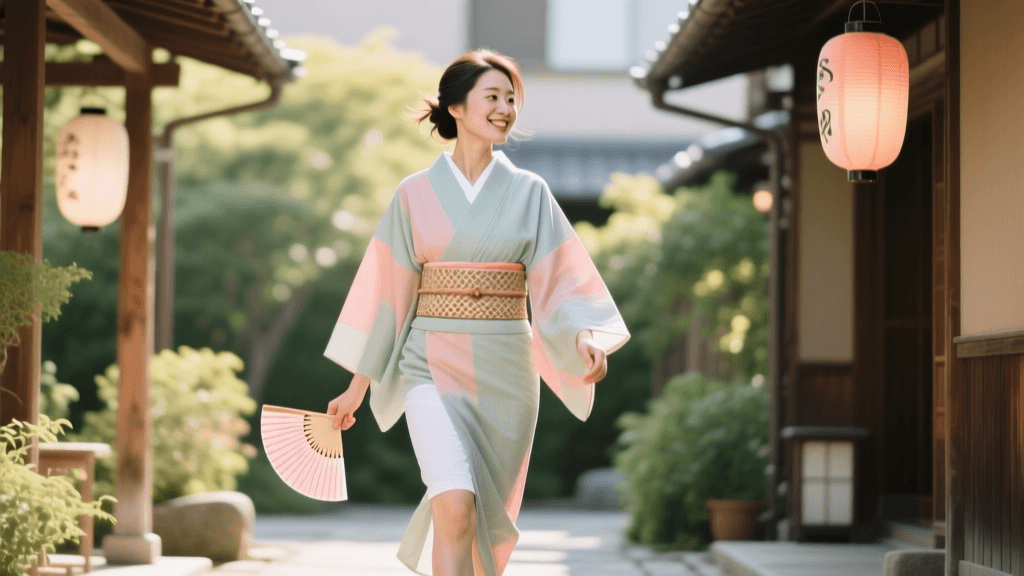
When visiting the serene temple grounds and bamboo groves of Kyoto, subtlety and elegance are paramount. The Song Dynasty aesthetic, characterized by narrow sleeves, muted earth tones, and slender silhouettes, harmonizes beautifully with Japanese Zen gardens and wooden architecture. A pastel Tencel Beizi worn over a simple pleated skirt allows for ease of movement while respecting the quiet dignity of sacred spaces. Avoid overly voluminous Tang-style garments with trailing sleeves, which can disturb the gravel in dry landscape gardens or inconvenience other visitors on narrow transit paths.
Rome and Paris: Ming Dynasty Formality
European heritage sites, with their grand baroque palaces and gothic cathedrals, provide a stunning backdrop for the structured, imposing silhouettes of the Ming Dynasty. A high-collared Ao paired with a richly woven, dark-toned Mamianqun creates a powerful visual contrast against Western marble and stained glass. The stiff, architectural lines of Ming garments hold their own against the scale of European monuments. Furthermore, the standing collar (liling) and metal button closures offer a sophisticated, formal look that translates seamlessly into high-end European dining environments.
Dunhuang and Xi'an: Tang Dynasty Vibrancy
For the arid landscapes of the Gobi Desert or the vibrant night markets of Xi'an, embrace the cosmopolitan flair of the Tang Dynasty. The Qixiong Ruqun (chest-high skirt) paired with a flowing Pibo (shawl) catches the desert winds beautifully, creating dynamic, ethereal photography opportunities. Opt for vibrant mineral-inspired colors—ochre, malachite green, and cinnabar red—which pop against the golden sands and the warm, illuminated wood of ancient pagodas. According to the UNESCO World Heritage sustainable tourism guidelines, engaging with local history through respectful, culturally accurate dress enhances the preservation of intangible cultural heritage, making your vibrant Tang attire a tribute to the Silk Road's historical diversity.
On-the-Go Garment Care and Cultural Etiquette
Maintaining your Hanfu on the road requires a specialized 2026 travel care kit. Ditch the bulky irons; instead, pack a 100ml portable silicone travel steamer, which is TSA-compliant and powerful enough to release minor creases from Tencel and memory-silk blends. Bring along a few sheets of silk-safe, pH-neutral detergent leaves that dissolve instantly in lukewarm water for quick sink-washing of your inner layers (Zhongyi).
Equally important to garment care is cultural etiquette. As Hanfu becomes a global ambassador for Asian traditions, travelers must adhere to the principles outlined in UN Tourism's Global Code of Ethics. This means recognizing that foreign temples, shrines, and historical monuments are active sites of worship and local heritage, not merely photographic backdrops. Always research local dress codes regarding head coverings, shoulder exposure, and footwear removal before styling your Hanfu for a specific site. For example, when adapting Hanfu for visits to active religious sites in Southeast Asia, ensure your skirts are ankle-length and your tops provide adequate shoulder coverage, seamlessly blending traditional Chinese aesthetics with local respectful customs.
By embracing modular packing, leveraging modern textile technology, and traveling with cultural mindfulness, your 2026 Hanfu journey will be as effortless as it is visually breathtaking. The world is your runway, and history is your wardrobe.