Japanese Kimono Life Stages 2026: Age Milestone Guide
The Sartorial Timeline of a Japanese Life
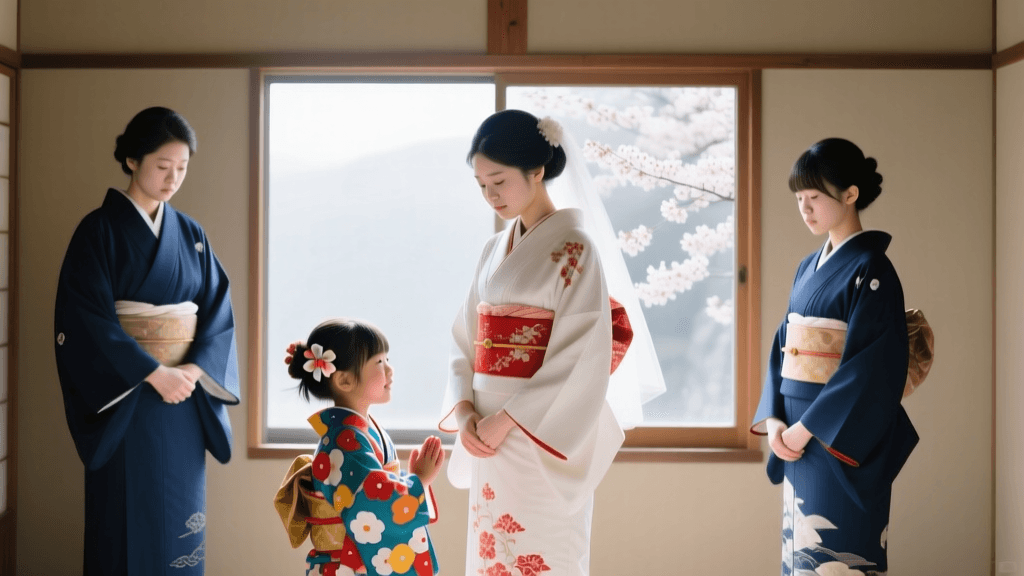
In Japan, clothing is far more than a mere covering; it is a profound marker of time, transition, and social identity. The traditional kimono serves as a sartorial timeline, wrapping individuals in specific silks, patterns, and motifs that correspond precisely to their age and life stage. As we navigate through 2026, the intersection of deep-rooted heritage and modern practicality has reshaped how these garments are worn, rented, and preserved. While contemporary fashion dominates daily life, the kimono remains fiercely protected during pivotal life milestones. From the vibrant celebrations of early childhood to the solemn elegance of mourning, understanding the kimono's role across a lifespan offers a unique window into Japanese cultural philosophy.
Childhood Milestones: Shichi-Go-San (Ages 3, 5, and 7)
One of the most endearing traditions in Japan is Shichi-Go-San (Seven-Five-Three), celebrated annually in November. This rite of passage honors the growth and well-being of children at the ages of three, five, and seven. According to Japan Guide's comprehensive guide to Shichi-Go-San, these specific ages were historically considered critical milestones for child survival, and today, they are marked with visits to Shinto shrines and elaborate traditional dress.
Girls at Ages 3 and 7
At age three, young girls typically wear a bright, patterned kimono paired with a hifu—a padded, sleeveless silk vest that ties at the front. The hifu is designed to hide the stiff, formal obi (sash), making the outfit more comfortable for a toddler. By age seven, girls transition into a more mature yotsu-mi kimono, which features a real, tied obi, mimicking the structure of adult women's formal wear. In 2026, rental boutiques in Tokyo and Kyoto report a massive surge in demand for lightweight, breathable synthetic blends for three-year-olds, prioritizing the child's comfort during long shrine visits, while seven-year-olds often wear traditional Yuzen-dyed silks.
Boys at Age 5
Five-year-old boys celebrate by donning a formal hakama (pleated trousers) over a kimono, often featuring auspicious motifs like hawks, samurai helmets (kabuto), or dragons. A haori (jacket) bearing the family crest is worn over the ensemble. The boy holds a traditional fan and wears zori sandals with white tabi socks. In 2026, modern parents frequently opt for rental packages that include pre-tied hakama, reducing the dressing time and minimizing fussiness for young children.
Coming of Age: The 20-Year-Old Furisode Tradition
The transition into adulthood is marked by Seijin-shiki (Coming of Age Day). Following the Japanese government's revision of the Civil Code in 2022, which lowered the legal age of adulthood to 18, municipalities across Japan spent the last few years recalibrating their January celebrations. By 2026, the standard has firmly settled: while 18-year-olds are legally adults, the traditional kimono-clad ceremonies are almost universally held for 20-year-olds. Often rebranded in 2026 as Hatachi no Tsudoi (Gathering of 20-Year-Olds) to avoid legal confusion, the sartorial traditions remain entirely untouched, as detailed in Japan Guide's historical and modern breakdown of Seijin no Hi.
The Furisode: Sleeves of Youth
Unmarried young women celebrate their 20th birthday by wearing a furisode, a highly formal kimono distinguished by its dramatically long, swinging sleeves (often measuring up to 114 centimeters in length). The furisode is the most formal attire for an unmarried woman, featuring vibrant, all-over patterns utilizing techniques like shibori (tie-dye) and yuzen (resist dyeing). In 2026, vintage and upcycled furisode from the Showa era are incredibly popular among Gen Z participants, reflecting a broader sustainable fashion movement. The outfit is completed with an elaborate, brocade maru obi tied in complex, floral-inspired knots like the fukura-suzume (puffed sparrow), and adorned with fluffy faux-fur stoles to combat the January cold.
Men's Montsuki Hakama
Young men marking their 20th year typically wear a montsuki hakama ensemble. This consists of a dark, crested kimono, a stiff pleated hakama, and a formal haori jacket bearing the family's kamon (crest). While many young men in 2026 opt for Western suits for convenience, those who choose traditional dress often rent high-quality Sendai silk hakama, which offer a subtle, sophisticated sheen appropriate for the winter ceremony.
Marriage: Shiromuku and Irouchikake
The traditional Japanese Shinto wedding is a masterclass in symbolic dressing, representing the bride's transition from her family to her new household. The bridal trousseau involves multiple kimono changes, each carrying profound spiritual weight.
Shiromuku: The Pure White Canvas
The ceremony itself is usually performed in a shiromuku, an entirely white ensemble including the kimono, obi, and undergarments. White symbolizes purity and the bride's willingness to be 'dyed' in the colors of her new family. The outfit is accessorized with a wataboshi (a white silk hood) or a tsunokakushi (a 'horn-hiding' cap), which historically symbolized the bride's resolve to hide any jealous or selfish 'horns' and become a gentle wife. In 2026, eco-conscious brides are increasingly seeking out shiromuku made from ethically sourced, peace silk, blending ancient ritual with modern ethical standards.
Irouchikake: The Colorful Reception Robe
For the wedding reception, the bride changes into an irouchikake, a heavily padded, brightly colored outer robe worn open over a base kimono. Red is the most traditional color, symbolizing vitality and protection against evil spirits, though gold, black, and deep purple are also popular. The hem is heavily padded with cotton to create a luxurious, trailing silhouette. The groom complements this by wearing a formal black or grey montsuki hakama adorned with five family crests.
Mourning and End of Life: The Mofuku
At the end of life's journey, the kimono reflects solemnity, respect, and grief. The mofuku is the traditional Japanese mourning attire, worn by close family members during funerals and subsequent memorial services. It is a stark, unadorned garment made from matte black silk crepe, completely devoid of any patterns or shiny finishes. The mofuku bears five family crests (itsutsu-mon) positioned on the back, chest, and sleeves, signifying the highest level of formality and mourning. The obi, under-kimono (nagajuban), and tabi socks must also be strictly black and white, respectively. In 2026, while Western black mourning suits are common for distant relatives, immediate family members still strictly adhere to the mofuku tradition, often utilizing meticulously maintained family heirlooms passed down through generations rather than purchasing new ones, as the garment is rarely worn for joyous occasions.
2026 Kimono Milestone Comparison Chart
| Life Stage / Event | Primary Garment | Key Features & Symbolism | 2026 Est. Rental Cost (JPY) |
|---|---|---|---|
| Shichi-Go-San (Age 3) | Kimono with Hifu | Padded vest for comfort; bright, playful motifs. | ¥10,000 - ¥15,000 |
| Shichi-Go-San (Age 5) | Hakama & Haori | Pleated trousers; family crest; martial motifs. | ¥12,000 - ¥18,000 |
| Shichi-Go-San (Age 7) | Yotsu-mi Kimono | Real tied obi; transition to adult dressing styles. | ¥15,000 - ¥25,000 |
| Seijin-shiki (Age 20) | Furisode (Women) | Long swinging sleeves; signifies unmarried youth. | ¥50,000 - ¥150,000 |
| Wedding Ceremony | Shiromuku | Pure white silk; symbolizes purity and new beginnings. | ¥150,000 - ¥300,000 |
| Funeral / Mourning | Mofuku | Matte black crepe; 5 family crests; strict modesty. | ¥15,000 - ¥25,000 |
Preserving the Thread of Generations
The kimono is not merely a static artifact of Japan's past; it is a living, breathing participant in the human experience. As we observe the traditions of 2026, it is clear that while the logistics of renting, styling, and even the legal definitions of adulthood may shift, the emotional resonance of these garments remains absolute. Whether it is the joyful rustle of a child's silk hifu at a neighborhood shrine, the breathtaking sweep of a bride's white train, or the quiet dignity of a mourning family's black crepe, the kimono continues to wrap the Japanese life cycle in beauty, meaning, and an unbroken thread of generational memory.