Best Silk Weaves for Custom Cheongsam and Hanbok Tailoring in 2026
The Renaissance of Traditional Asian Garments in 2026
The year 2026 has ushered in a remarkable renaissance for traditional Asian garments, with the cheongsam (qipao) and the hanbok transitioning from strictly ceremonial wear to prominent fixtures in contemporary luxury fashion and modern wardrobes. As global interest in cultural heritage deepens, the demand for bespoke, custom-tailored traditional garments has surged. However, the success of these garments relies entirely on the foundational element of their construction: the textile. Choosing the correct silk weave is not merely an aesthetic decision; it is a structural necessity that dictates the drape, longevity, and cultural authenticity of the piece.
For enthusiasts and first-time buyers navigating the bespoke market in 2026, understanding the nuances of silk weaves, momme weights, and ethical sourcing is critical. This comprehensive guide breaks down the best fabric and textile choices for custom cheongsam and hanbok tailoring, providing actionable advice, current market pricing, and structural insights to ensure your garment is both historically respectful and modernly wearable.
Decoding Silk: Momme Weight and Weave Structures
Before selecting a specific weave, one must understand how silk is measured. Unlike cotton or wool, silk weight is measured in momme (mm). One momme equals 4.340 grams per square meter. In 2026, the luxury textile market categorizes silk into three primary weight classes for garment construction:
- Lightweight (12mm - 16mm): Sheer, delicate, and prone to tearing. Rarely used for structured traditional garments unless layered or used for linings.
- Midweight (19mm - 22mm): The industry standard for high-quality apparel. It offers an excellent balance of durability, drape, and breathability.
- Heavyweight (25mm - 30mm+): Thick, opulent, and highly structured. Ideal for outerwear, winter garments, and heavily embroidered ceremonial pieces.
The weave refers to how the silk threads are interlaced on the loom. The same raw mulberry silk fiber can be woven into a fluid charmeuse or a stiff brocade, entirely changing its application in traditional Asian tailoring. According to historical textile archives and modern sericulture experts, the manipulation of the silk thread is what gives regional garments their distinct silhouettes. For a deeper understanding of the historical roots of these techniques, the Britannica overview on sericulture details how ancient weaving innovations continue to influence modern textile production.
Ideal Silk Weaves for the Modern Cheongsam (Qipao)
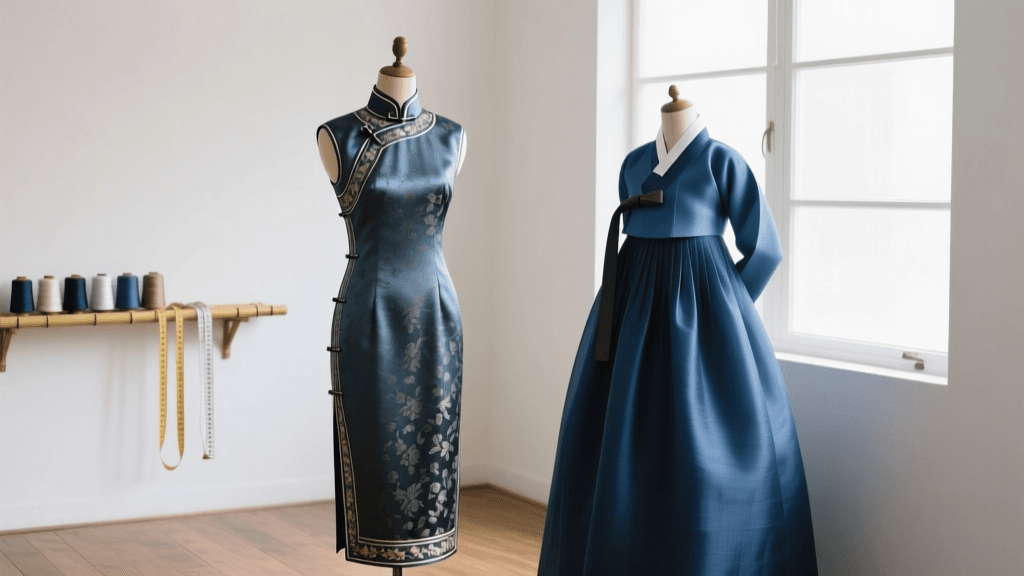
The cheongsam is renowned for its figure-hugging silhouette, high mandarin collar, and intricate pankou (frog button) fastenings. The fabric must accommodate bias cutting and complex darting while maintaining a flawless, unbroken line across the body.
Silk Crepe de Chine (19mm - 22mm)
For everyday luxury and modern office-appropriate cheongsams, Silk Crepe de Chine is the undisputed champion in 2026. Woven with highly twisted yarns that give it a subtle pebbled texture and a matte finish, it resists wrinkling far better than satin. A 22mm Crepe de Chine provides enough weight to drape elegantly over the hips without clinging to imperfections. It takes digital and traditional dyeing exceptionally well, making it the preferred choice for the vibrant, large-scale floral motifs trending in Shanghai and Singapore boutiques this year.
Silk Charmeuse (19mm - 30mm)
Charmeuse is the classic, high-shine satin weave traditionally associated with the glamorous 1930s Shanghai era. In 2026, tailors recommend a heavy 30mm charmeuse for evening wear and wedding cheongsams. The high-gloss face and dull back create a liquid drape. However, because charmeuse is slippery and prone to snagging, it requires an expert tailor who specializes in bias-cutting and French seams to prevent the garment from warping over time.
Silk Brocade and Jacquard (25mm+)
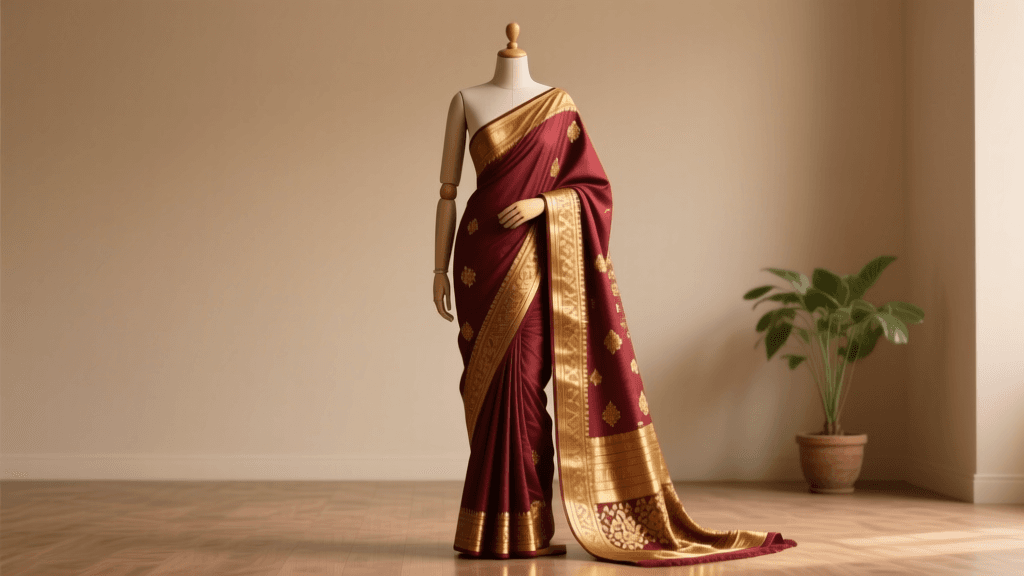
For winter weddings, Lunar New Year celebrations, and formal banquets, heavy silk brocade remains the gold standard. Modern 2026 brocades often integrate metallic threads (zari) or subtle tonal jacquard patterns woven directly into the fabric. Because brocade is incredibly stiff, it requires minimal interfacing, allowing the cheongsam to hold its architectural collar and structured bodice effortlessly. Expect to pay a premium for authentic, hand-loomed Song brocade replicas, which are currently experiencing a massive revival among heritage-conscious buyers.
Selecting Textiles for the Contemporary Hanbok
The hanbok presents an entirely different set of structural challenges. Characterized by its vibrant colors, simple lines, and the dramatic, voluminous bell shape of the chima (skirt) paired with the fitted jeogori (jacket), the fabric must possess incredible structural integrity and crispness.
Silk Taffeta and Duchess Satin (22mm - 25mm)
To achieve the iconic, gravity-defying volume of the hanbok skirt without relying on excessive, uncomfortable petticoats, 2026 tailors heavily favor Silk Taffeta and Duchess Satin. Taffeta is woven with a plain weave but uses tightly twisted threads, resulting in a crisp, paper-like hand feel and a distinctive 'scroop' (rustling sound). This stiffness holds the deep pleats of the chima perfectly. Duchess satin offers a similar structural support but with a more subdued, elegant luster, making it highly sought after for modern bridal hanboks.
Gongdan (Traditional Korean Satin)
Gongdan is a thick, heavily woven traditional Korean silk satin. While historically accurate and visually stunning, pure Gongdan can be exceptionally heavy, sometimes weighing over 30mm. In 2026, many contemporary hanbok designers are blending traditional Gongdan weaving techniques with lightweight synthetic or semi-synthetic warp threads to reduce the overall weight of the garment while maintaining the luxurious, high-gloss finish required for ceremonial wear.
Silk Organza for Layering and Embellishment
Silk organza is a sheer, plain-weave fabric that is incredibly strong despite its transparency. In modern hanbok design, organza is frequently used as an overlay on the chima to create depth of color, or heavily embroidered with gold and silver threads to serve as the outer layer of a ceremonial wonsam (dragon robe). Its ability to hold stiff shapes makes it ideal for the exaggerated, sculptural sleeves seen in avant-garde hanbok presentations on the 2026 runway circuit.
2026 Silk Weave Comparison Chart
The following table provides a quick reference guide for buyers and tailors comparing the most popular silk weaves used in Asian traditional garments this year.
| Silk Weave | Ideal Weight (Momme) | Drape Profile | Best Garment Application | 2026 Avg. Retail Cost (per yard) |
|---|---|---|---|---|
| Crepe de Chine | 19mm - 22mm | Fluid, Matte, Pebbly | Daywear Cheongsam, Linings | $35 - $55 |
| Charmeuse | 22mm - 30mm | Liquid, High-Shine | Evening Cheongsam, Bridal | $45 - $85 |
| Brocade / Jacquard | 25mm - 35mm | Stiff, Textured, Heavy | Winter Cheongsam, Ceremonial | $70 - $150+ |
| Silk Taffeta | 19mm - 22mm | Crisp, Voluminous, Rustling | Hanbok Chima (Skirt) | $40 - $65 |
| Duchess Satin | 22mm - 25mm | Structured, Subdued Shine | Hanbok Jeogori, Modern Bridal | $50 - $80 |
| Silk Organza | 12mm - 16mm | Sheer, Stiff, Sculptural | Hanbok Overlays, Embroidery Base | $25 - $45 |
Sourcing Ethical and Traceable Silk in 2026
As the luxury market evolves, so does the demand for ethical transparency. The traditional silk industry has faced scrutiny regarding animal welfare and environmental impact. In 2026, the most reputable bespoke tailors and heritage brands are prioritizing traceable supply chains and alternative silk production methods.
Peace Silk (Ahimsa Silk): For buyers who prioritize animal welfare, Peace Silk allows the silkworm to emerge from the cocoon naturally before the silk is harvested. While the staple fibers are shorter, resulting in a slightly more textured, linen-like finish, advancements in 2026 spinning technology have made Peace Silk smoother and more viable for fine cheongsam tailoring than ever before.
Certified Sustainable Sericulture: Organizations are now rigorously tracking the environmental footprint of silk production. The Textile Exchange Preferred Fiber and Materials Index provides vital data and certifications for brands looking to source silk that meets strict ecological and social criteria, ensuring that the mulberry farms and weaving cooperatives operate sustainably. Furthermore, the cultural preservation of these ancient techniques is paramount. The recognition of sericulture and silk craftsmanship by UNESCO highlights the global imperative to protect traditional weaving communities, ensuring that your fabric purchase supports living heritage rather than fast-fashion exploitation.
Tailoring Costs and Working with Artisans
Procuring the fabric is only half the journey; the construction of a traditional garment requires specialized skills. In 2026, the cost of bespoke tailoring for Asian traditional garments reflects the intense labor involved.
- Cheongsam Tailoring: A fully bespoke, hand-finished cheongsam featuring hand-rolled hems, custom-knotted pankou buttons, and precise bias-cutting will typically cost between $800 and $2,500 in labor, excluding the cost of the silk. Master tailors in cities like Shanghai, Hong Kong, and Singapore often require 3 to 4 fittings over a two-month period.
- Hanbok Tailoring: Constructing a traditional hanbok involves complex, hidden stitching and precise pleating that must remain invisible on the exterior. Labor costs for a high-end, custom-fitted hanbok range from $600 to $2,000. The integration of geumbak (gold leaf stamping) on the jeogori will add an additional $150 to $400 to the final price.
Pro Tip for 2026 Buyers: Always purchase 15% to 20% more fabric than your tailor estimates. Silk brocades and patterned jacquards require extensive pattern matching at the seams, especially along the cheongsam's diagonal closures and the hanbok's symmetrical pleats. Running out of fabric mid-construction can result in a compromised garment.
Care and Maintenance Guidelines
Silk is a protein fiber, making it incredibly strong but highly susceptible to environmental damage. To preserve your custom garments for decades, adhere to these 2026 best practices:
- Storage: Never store silk in plastic bags, which trap moisture and cause yellowing. Use unbleached, acid-free cotton garment bags. For heavy brocade cheongsams, store them flat in archival boxes to prevent the heavy fibers from stretching and tearing at the shoulders.
- Cleaning: Dry cleaning remains the safest option for structured garments like hanboks and brocade cheongsams. However, ensure your cleaner specializes in heritage textiles and uses hydrocarbon solvents rather than harsh perc, which can strip the natural sericin from the silk fibers and dull the fabric's luster.
- Steaming vs. Ironing: Never apply a direct iron to silk charmeuse or crepe de Chine, as it will cause permanent shine marks. Use a professional-grade garment steamer, keeping the nozzle at least two inches away from the fabric to relax wrinkles without water-spotting the delicate fibers.
Conclusion
Selecting the right silk weave for a custom cheongsam or hanbok is an investment in cultural artistry and personal expression. By understanding the structural properties of momme weights, choosing the appropriate weave for your specific garment's silhouette, and prioritizing ethically sourced textiles, you ensure that your traditional garment is not only a stunning sartorial achievement but also a sustainable piece of living history ready to be worn with pride in 2026 and beyond.