Authentic Banarasi Silk Sarees Online Shopping in 2026
The Evolution of Banarasi Silk E-Commerce in 2026
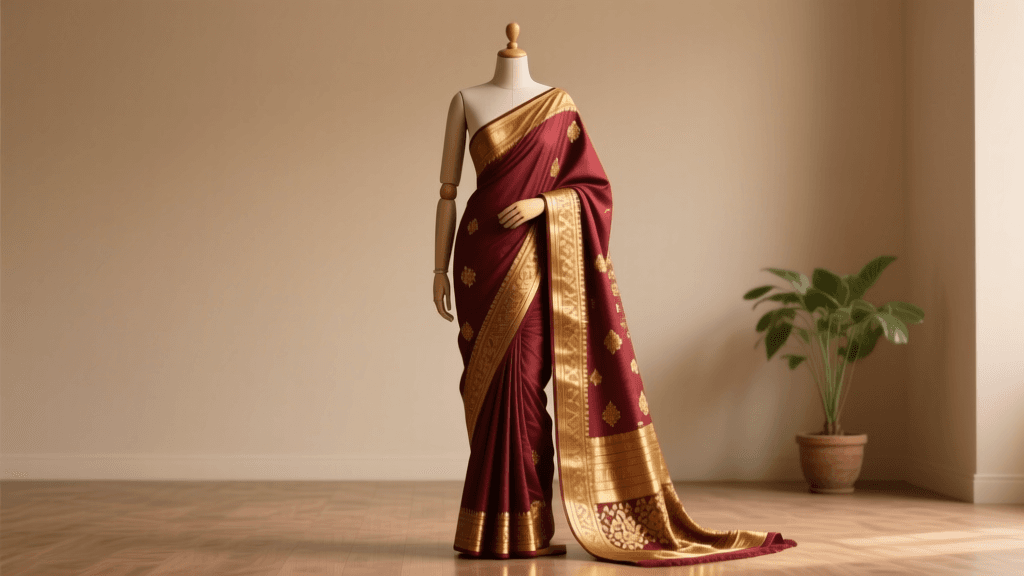
The Banarasi silk saree is more than a mere garment; it is a woven tapestry of South Asian history, heritage, and unparalleled craftsmanship. Originating from the ancient ghats of Varanasi, these opulent textiles have adorned royalty and brides for centuries. However, as global demand for traditional Asian garments has surged, the digital marketplace has become flooded with powerloom replicas and synthetic counterfeits. For the discerning buyer in 2026, navigating the online landscape requires a blend of cultural appreciation and digital savvy.
In 2026, the e-commerce ecosystem for traditional Indian textiles has matured significantly. The introduction of blockchain-backed Geographical Indication (GI) tags and AI-driven textile verification tools has empowered consumers to trace a saree’s journey directly from the pit loom to their wardrobe. According to the Ministry of Textiles, Government of India, recent digital initiatives have successfully integrated QR-code-based GI certification for handloom cooperatives, ensuring that the weavers of Varanasi receive fair compensation while protecting buyers from mass-produced imitations.
Top Online Marketplaces for Handloom Banarasi Sarees
When investing in a genuine handloom Banarasi silk saree, choosing the right platform is paramount. Below are the most trusted online marketplaces operating in 2026, categorized by their specialties and target demographics.
1. Tilfi: The Direct-to-Consumer Pioneer
Tilfi has cemented its position as the premier online destination for authentic Banarasi weaves. By partnering directly with multi-generational weaving families in Varanasi, Tilfi eliminates middlemen, offering pure zari (gold and silver thread) Kattan silk sarees at transparent prices. In 2026, their platform features high-definition macro photography that allows buyers to inspect the intricate jal (net) and mina work before purchasing. Their pricing typically ranges from $180 for simpler georgette pieces to over $1,500 for heirloom-grade bridal Kattan silks.
2. Holy Weaves: Contemporary Meets Tradition
For buyers seeking Banarasi textiles that bridge the gap between ancient techniques and modern aesthetics, Holy Weaves is an exceptional choice. They specialize in lightweight Banarasi organza (Kora) and tissue silk sarees featuring unconventional color palettes and minimalist motifs. Their 2026 collection highlights sustainable dyeing practices and offers global shipping with pre-stitched, custom-fitted blouse services utilizing AI body-scanning technology via their mobile app.
3. Karigari by Jaypore: Curated Luxury
Jaypore’s Karigari section remains a powerhouse for curated luxury. While their price points are higher due to extensive curation and premium packaging, they guarantee authenticity through rigorous in-house textile testing. Jaypore is the go-to marketplace for international buyers seeking wedding trousseau pieces, offering concierge-level customer service, virtual draping consultations, and insured global logistics.
4. Government Weaver Cooperatives & Emporiums
State-sponsored platforms and cooperative portals offer some of the most unadulterated Banarasi silks available. While the user interfaces of these government-backed sites may lack the polish of private luxury retailers, the authenticity is unquestionable. Purchasing through these channels directly supports the artisan communities and helps preserve the intangible cultural heritage of the region.
Marketplace Comparison Chart
To help you decide where to invest your money, we have compiled a comparison of the top platforms based on 2026 market data.
| Marketplace | Specialty | Price Range (USD) | Authenticity Guarantee | Global Shipping |
|---|---|---|---|---|
| Tilfi | Pure Zari Kattan, Bridal | $180 - $1,500+ | GI Tag & Silk Mark | Yes (Express) |
| Holy Weaves | Organza, Tissue, Modern | $120 - $600 | Silk Mark | Yes |
| Jaypore | Luxury, Curated Heirlooms | $250 - $2,000+ | In-house Lab Testing | Yes (Insured) |
| Co-op Portals | Traditional, Classic Motifs | $90 - $400 | Government Certified | Limited |
How to Authenticate Banarasi Silk Online
Buying a traditional garment online removes the tactile experience of feeling the fabric. However, you can still verify authenticity by looking for specific visual and structural markers provided by reputable sellers.
The Reverse Weave Test
A genuine handloom Banarasi saree is woven on a jacquard pit loom. Because the intricate motifs are created by interlocking warp and weft threads, the reverse side of the fabric will show floating threads and a slightly messy, textured finish. Powerloom fakes, which use a continuous shuttle, will have a perfectly clean reverse side with no loose threads. In 2026, top marketplaces provide mandatory reverse-side macro images for every listing.
Silk Mark and GI Certification
Always look for the Silk Mark label, an initiative by the Silk Mark Organisation of India that guarantees the fabric is 100% natural silk. Furthermore, the Geographical Indication (GI) tag ensures the saree was woven in the designated districts of Varanasi. The World Intellectual Property Organization (WIPO) recognizes the Banarasi GI tag as a crucial mechanism for protecting regional artisans from global intellectual property theft.
The Zari Purity Check
Traditional Banarasi sarees utilize zari, a thread traditionally made by wrapping silk with flattened silver wire and electroplating it with gold. While pure gold zari is reserved for museum-grade heirlooms, genuine tested zari (silver-based) is standard for premium pieces. Synthetic zari (plastic threads painted with metallic colors) is used in cheap counterfeits. Authentic zari will have a deep, muted luster rather than a blinding, mirror-like shine, and it will not tarnish or peel over time.
Understanding Banarasi Silk Varieties
When shopping online, you will encounter several distinct types of Banarasi fabrics. Knowing the difference will help you select the right drape for your climate and occasion.
- Kattan Silk: The purest form of Banarasi silk, featuring uncut silk threads in the warp and weft. It is heavy, highly durable, and possesses a rich, matte sheen. Ideal for winter weddings and grand ceremonies.
- Banarasi Organza (Kora): Woven with tightly twisted silk threads, creating a stiff, sheer, and lightweight fabric. Often heavily embroidered with zari, it is highly sought after in 2026 for contemporary, voluminous draping styles.
- Banarasi Georgette: A crepe-textured, fluid fabric that drapes beautifully and is much lighter than Kattan. It is the preferred choice for corporate events, festive parties, and warmer climates.
- Tissue Silk: Woven with silk in the warp and zari in the weft, giving the entire saree a metallic, golden glow. It is exceptionally delicate and requires expert handling.
Pricing Expectations and Red Flags in 2026
One of the most effective ways to spot a counterfeit online is through price heuristics. The cost of raw silk, precious metals for zari, and the skilled labor required to weave a single Banarasi saree (which can take anywhere from 15 days to six months) dictates a strict price floor.
Buyer Beware: If you find a listing advertising a "Pure Zari Handloom Banarasi Silk Saree" for under $75 USD, it is unequivocally a powerloom replica made of synthetic art silk and metallic plastic threads. Genuine handloom pieces with tested zari start at a minimum of $150 to $200 USD, with pure zari bridal pieces easily exceeding $1,000 USD.
Modern Tailoring and Draping Services
The online shopping experience in 2026 extends far beyond the purchase of the unstitched fabric. Leading platforms now offer integrated tailoring services. Buyers can submit their measurements via smartphone camera depth-sensors, allowing master tailors in India to stitch custom blouses with precise accuracy. Additionally, pre-draping services—where the saree is permanently stitched onto a petticoat for easy, one-minute wear—have become a standard offering for international buyers who may not be familiar with the intricate pleating techniques required for a traditional drape.
Care and Maintenance for Your Handloom Investment
Once your authentic Banarasi silk saree arrives, proper care is essential to preserve it for future generations. Always dry clean your Kattan and Tissue silk sarees; water can cause the zari to oxidize and the silk to lose its natural sericin coating. Store your sarees wrapped in unbleached muslin cloth in a cool, dry place, avoiding plastic covers which can trap moisture and cause yellowing. Refold your sarees every three months to prevent permanent creases and fabric tearing along the fold lines.
Conclusion
Shopping for an authentic Banarasi silk saree online in 2026 is a rewarding experience, provided you leverage the digital tools and trusted marketplaces available today. By prioritizing platforms that offer transparent weaver partnerships, blockchain-backed GI tags, and Silk Mark certifications, you not only secure a breathtaking piece of Asian textile art but also actively participate in the preservation of a centuries-old craft. Whether you are sourcing a bridal heirloom or a lightweight organza drape for a festive occasion, the digital loom is now open to the world.