Buying Authentic Hanbok Online: Top 2026 Marketplaces
The Global Hanbok Renaissance in 2026
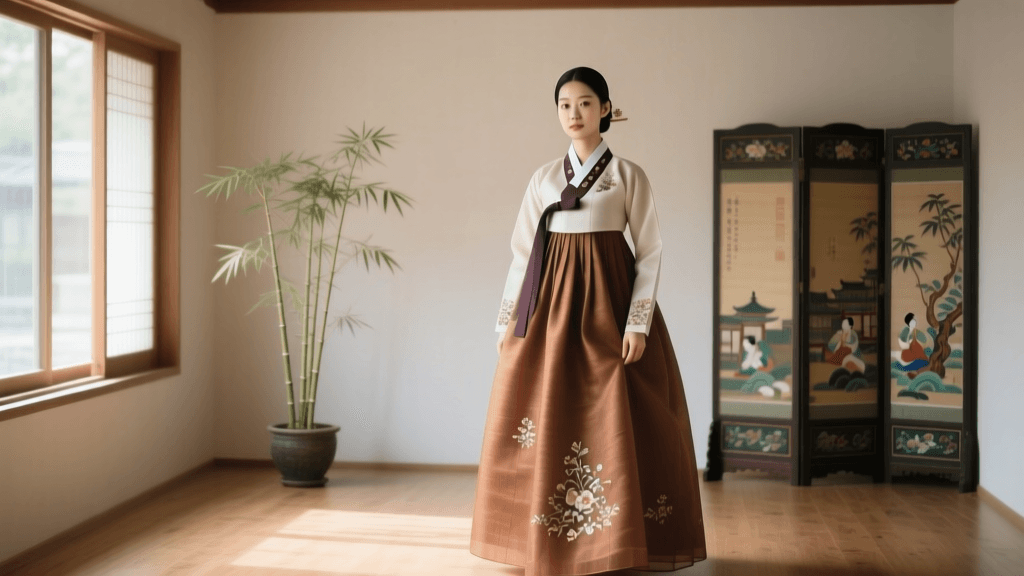
The global fascination with Korean culture has propelled the traditional hanbok from ceremonial obscurity into a highly sought-after garment for international buyers. In 2026, the market for authentic Korean traditional dress is more accessible than ever, yet it remains fraught with pitfalls. The proliferation of fast-fashion polyester knockoffs on generic e-commerce sites has made it increasingly difficult for global enthusiasts to source genuine, high-quality garments. Whether you are seeking a ceremonial wedding hanbok, a refined saenghwal (daily) hanbok for modern styling, or historically accurate recreation pieces, knowing where and how to shop is paramount.
Navigating the digital landscape of Korean fashion requires an understanding of domestic platforms, international shipping logistics, and traditional textile standards. This comprehensive guide will walk you through the most reputable online marketplaces for purchasing authentic hanbok in 2026, complete with actionable sizing advice, fabric verification techniques, and customs navigation.
Understanding Hanbok Categories: What Are You Buying?
Before adding items to your cart, it is crucial to understand the tiers of hanbok available on the market today. The price point, fabric, and construction methods vary wildly across these categories.
- Ceremonial & Historical Hanbok: Reserved for weddings, pyebaek (post-wedding family greetings), and historical reenactments. These feature heavy silk brocades, intricate gold-leaf stamping (geumbak), and elaborate layering. Prices typically range from $800 to over $3,500.
- Saenghwal (Daily) Hanbok: Modernized for everyday wear. These retain the traditional silhouette—the high-waisted chima (skirt) and the short jeogori (jacket)—but utilize breathable cottons, linens, and lightweight silks. They often feature simplified tying mechanisms and machine-washable fabrics. Prices range from $120 to $450.
- Fast-Fashion / Costume Hanbok: Mass-produced from cheap polyester with velcro closures and elastic waistbands. These lack structural integrity and historical respect, often priced under $50. Serious collectors and cultural enthusiasts should avoid these entirely.
Top Online Marketplaces for Authentic Hanbok in 2026
To secure authentic pieces, buyers must look toward platforms that host verified Korean designers and traditional artisans. Here are the premier marketplaces dominating the 2026 landscape.
1. W Concept (Global & Korea)
W Concept remains the undisputed leader for curated, high-end Korean fashion, including premium saenghwal hanbok brands like Danha and Guiroe. In 2026, W Concept has expanded its global logistics, offering direct shipping to North America and Europe with integrated customs clearance. Their virtual AI fitting tool, introduced late last year, allows buyers to input exact measurements to visualize how the jeogori will sit across the shoulders, drastically reducing return rates for international customers.
2. Naver Shopping via Freight Forwarders
For the most authentic, artisan-crafted ceremonial hanbok, domestic Korean platforms are essential. Naver Shopping aggregates thousands of independent hanbok-jip (traditional hanbok boutiques) based in Seoul's Bukchon and Jeonju Hanok Village. Because these sellers rarely ship internationally, buyers in 2026 rely on established freight forwarders like Malltail or Korbuy. You purchase the garment using your Naver account, ship it to the forwarder's Seoul warehouse, and they consolidate and export it to your home country. This route offers the widest selection of genuine myeongju (traditional Korean silk) garments.
3. Gmarket Global
Gmarket Global is the most accessible entry point for mid-tier, authentic hanbok. While it carries some costume-grade items, filtering by "Premium" and selecting established sellers like Hanbok Story or Traditional Art Hanbok yields excellent results. Gmarket frequently runs international shipping subsidies in 2026, making it a cost-effective option for buyers purchasing complete sets (jacket, skirt, and inner garments).
Marketplace Comparison Chart
| Marketplace | Best For | Average Price Range (USD) | Shipping Method | Authenticity Guarantee |
|---|---|---|---|---|
| W Concept | Modern Saenghwal & Designer Brands | $150 - $600 | Direct Global Shipping | High (Curated Boutiques) |
| Naver Shopping | Ceremonial, Bespoke, Artisan Silk | $400 - $3,500+ | Requires Freight Forwarder | Very High (Direct from Artisans) |
| Gmarket Global | Mid-tier Traditional & Guest Sets | $80 - $300 | Direct Global (Subsidized) | Moderate (Requires Seller Filtering) |
| Etsy (Verified Korean Sellers) | Custom-fitted & Hand-embroidered | $250 - $1,200 | Direct International Post | High (If verified via KCDF tags) |
The 2026 Sizing Standard: How to Measure for Hanbok
Unlike Western clothing, which relies on standardized S/M/L metrics based on bust and hip measurements, traditional hanbok is highly customizable and relies on specific structural measurements. According to the Victoria and Albert Museum's comprehensive guide to Hanbok, the structural integrity and aesthetic flow of the garment depend entirely on precise proportions.
When ordering from a Naver boutique or a bespoke Etsy artisan, you will need to provide the following measurements in centimeters:
- Hwajang (화장): The measurement from the prominent bone at the base of your neck, across the shoulder, down to the wrist bone. This dictates the elegant, sweeping curve of the baerae (the bottom curve of the sleeve).
- Jeogori Length (저고리 길이): From the base of the neck to the desired hemline of the jacket. Modern saenghwal jackets often sit at the ribcage, while historical recreations may sit higher or lower depending on the specific dynasty being replicated.
- Chima-jit (치마 길이): The skirt length, measured from the natural high waist (just below the bust) down to the floor. In 2026, most artisans recommend adding 2-3 centimeters to this measurement to account for the volume of the petticoat (sokchima) worn underneath.
- Malgi (말기): The total circumference of the skirt's hem. A proper ceremonial skirt requires a minimum of 300 to 400 centimeters of fabric at the hem to achieve the iconic bell-shaped silhouette when walking.
Spotting Authenticity: Fabric and Construction
The difference between a cultural garment and a costume lies in the textiles and hardware. The Korea Craft & Design Foundation (KCDF) has been instrumental in 2026 in certifying traditional artisans and promoting the use of heritage textiles. When browsing product descriptions, look for these markers of authenticity:
- Textile Composition: Genuine hanbok utilizes myeongju (woven silk), mosi (fine ramie), or high-grade organic cotton. If the description lists "100% Polyester" or "Satin Blend" without specifying the base fiber, it is likely a mass-produced costume. Authentic silk hanbok will often mention the region of weaving, such as Naju or Andong.
- Closure Mechanisms: Traditional jeogori are secured using goreum (long, elegant fabric ties). While some modern daily hanboks use hidden internal snaps for convenience, authentic pieces will never use visible zippers, velcro, or elastic waistbands on the chima. The skirt should be wrapped and tied securely with its own fabric sash.
- Dongjeong (White Collar): A hallmark of authentic hanbok is the crisp, white paper or stiffened fabric collar lining the neckline. This is meant to be detachable and replaceable, framing the face and protecting the expensive silk from skin oils. Costumes usually have the white collar sewn directly into the colored fabric.
Navigating 2026 International Shipping and Customs
Purchasing directly from South Korea involves navigating international textile import laws. In 2026, customs thresholds for imported textiles have tightened in several Western nations to protect domestic markets and ensure fair labor practices. To avoid having your $800 silk wedding hanbok held at customs, follow these protocols:
- Consolidated Shipping: When using a freight forwarder from Naver Shopping, always choose consolidated shipping. Forwarders will package your hanbok, inner garments, and accessories into a single box with a unified commercial invoice, reducing the likelihood of piecemeal customs inspections.
- Accurate HS Codes: Ensure the seller or forwarder declares the garments with the correct Harmonized System (HS) code for silk or cotton apparel, rather than generic "costume" codes, which can trigger higher tariffs or outright seizure in countries with strict cultural import laws.
- Moisture and Transit Protection: Traditional silk and ramie are highly susceptible to humidity. For international transit, request that the hanbok-jip vacuum-seal the garments with silica gel packets before boxing. The Korea Tourism Organization frequently highlights the delicate nature of regional Korean textiles, noting that improper storage during export can lead to permanent water-staining on natural dyes.
Final Thoughts on Building Your Collection
Investing in authentic hanbok is an investment in living history. By utilizing specialized marketplaces like W Concept for daily wear and leveraging Naver Shopping for ceremonial masterpieces, global buyers can curate wardrobes that respect the deep cultural heritage of the Korean peninsula. Take the time to measure accurately, verify the textiles, and utilize reliable freight forwarders. The result is a garment that not only fits beautifully but carries the true weight and elegance of Asian tradition into the modern era.