Styling Japanese Haori and Noragi for 2026 Wardrobes
The Resurgence of Traditional Japanese Outerwear in 2026
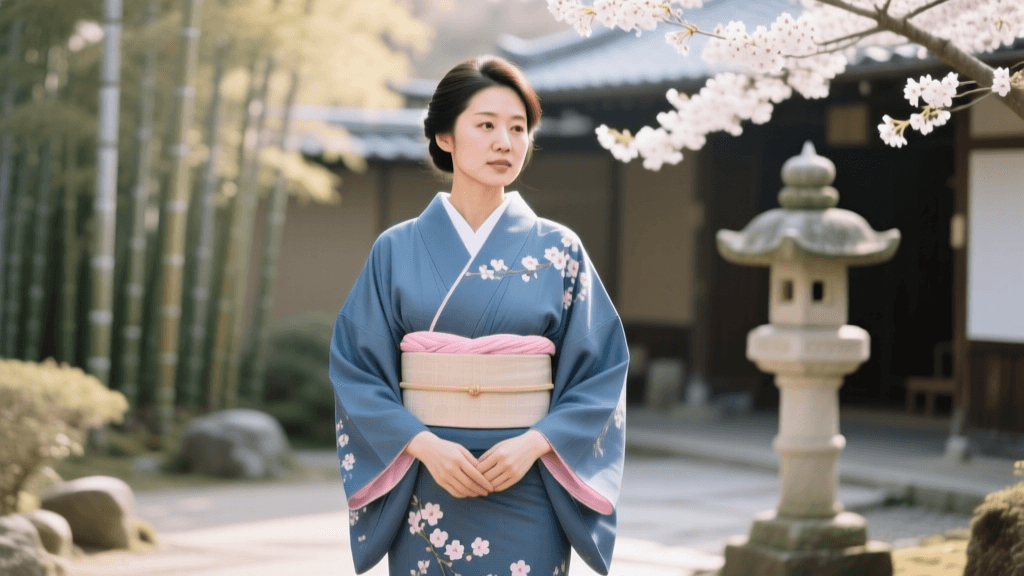
In 2026, the intersection of heritage craftsmanship and contemporary fashion has reached a sophisticated zenith. The days of treating traditional Asian garments merely as ceremonial costumes or fleeting fashion week props are long gone. Today, the modern wardrobe demands versatility, sustainability, and a deep connection to artisanal history. Among the most compelling pieces leading this neo-traditional movement are the Japanese haori and noragi. Once relegated to rural workwear or formal kimono layering, these garments have been reimagined as the ultimate statement layers for modern techwear, minimalist office attire, and elevated streetwear.
According to the Victoria and Albert Museum, the structural brilliance of traditional Japanese garments lies in their T-shaped, straight-line construction, which minimizes fabric waste and allows for fluid, adaptable layering. This zero-waste philosophy perfectly aligns with the 2026 consumer demand for sustainable, enduring fashion. By understanding the historical silhouettes and fabric weights of the haori and noragi, you can seamlessly integrate these masterpieces into your daily rotation without looking like you are wearing a costume.
Understanding the Silhouettes: Haori vs. Noragi
To successfully mix these pieces with modern clothing, one must first understand their distinct structural differences and historical purposes.
The Haori: Elegance Meets Minimalist Streetwear
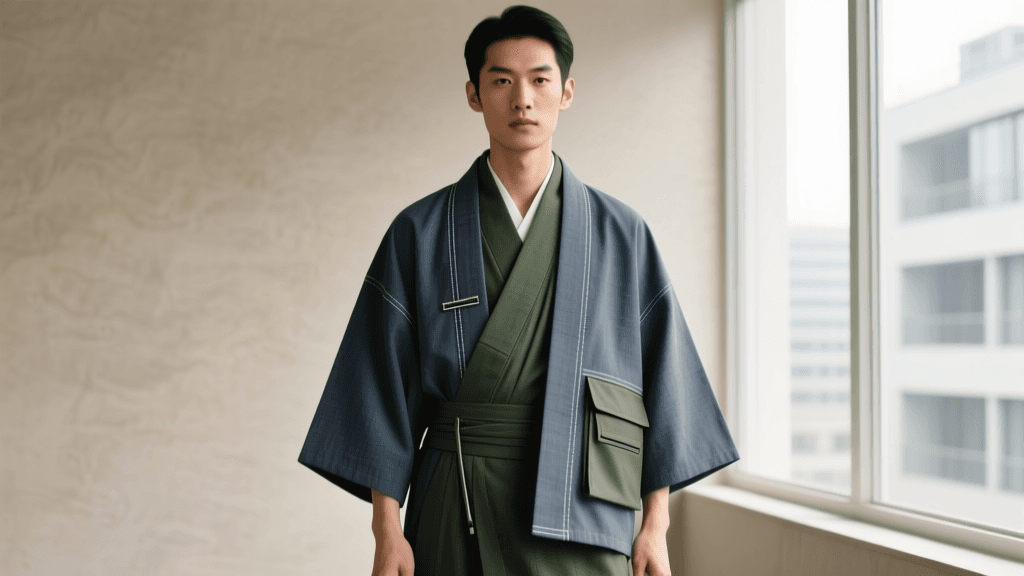
The haori is a hip- to mid-thigh-length jacket that evolved as a formal outer layer worn over the kimono. Its defining characteristics include an open front (it does not overlap or tie shut like a robe), a center-back seam, and a straight, boxy cut with wide sleeves. In a 2026 wardrobe, the haori functions similarly to an unstructured blazer or a long-line duster cardigan. Its open front creates a strong vertical line down the torso, making it an excellent tool for elongating the silhouette when paired with high-waisted trousers.
The Noragi: The Ultimate Utility Layer
Conversely, the noragi (and its lighter cousin, the hanten) has its roots in Japanese agrarian workwear. It features a wrapped, overlapping front panel that is traditionally secured with a tied sash or a single button, though modern iterations often leave it open. The noragi is characterized by a more rugged construction, often featuring reinforced stitching, patchwork (boro), or sashiko quilting. In the context of modern techwear and gorpcore, the noragi serves as a utilitarian shell, offering the same functional appeal as a field jacket but with a profoundly richer textile narrative.
Proportion, Fabric, and the 2026 Integration Chart
The most common mistake when styling traditional Asian garments is ignoring fabric weight and proportion. A heavy, vintage boro noragi will overwhelm a lightweight silk office shirt. To achieve harmony, you must match the textile density of your traditional piece with your modern base layers. The Metropolitan Museum of Art highlights that historical Japanese textiles were meticulously engineered for specific seasons and labor types, a principle that remains vital for modern layering.
| Garment Type | Traditional Fabric | 2026 Modern Alternative | Best Base Layer | Ideal Season |
|---|---|---|---|---|
| Formal Haori | Heavy Silk Crepe (Chirimen) | Cupro / Tencel Blends | Merino Turtleneck, Crisp Poplin Shirt | Autumn / Winter |
| Casual Haori | Kasuri (Ikat) Cotton | Slub Linen / Hemp | AIRism Tee, Lightweight Knit Polo | Spring / Summer |
| Work Noragi | Sashiko Quilted Cotton | 12oz Indigo Denim, Ripstop | Heavyweight French Terry Hoodie, Flannel | Autumn / Winter |
| Summer Noragi | Ro (Leno-weave Silk) | Nylon Mesh, Technical Voile | Tank Top, Moisture-Wicking Tech Tee | Summer |
| Boro Jacket | Patchwork Indigo Rags | Upcycled Denim / Canvas | Chore Coat, Heavy Denim Shirt | Winter |
3 Actionable Outfit Formulas for the Modern Wardrobe
Theory is essential, but practical application is where personal style is forged. Here are three highly specific, actionable outfit formulas tailored for the 2026 fashion landscape, complete with garment weights, proportions, and footwear pairings.
Formula 1: The Techwear Commuter (Noragi Focus)
Techwear in 2026 has moved away from aggressive, dystopian straps and buckles, leaning instead into 'heritage utility'—garments that offer weather resistance and mobility while looking inherently sophisticated.
- The Outer Layer: A mid-weight (8oz to 10oz) indigo sashiko noragi with a modern drop-shoulder measurement (approximately 4 to 5 inches past the natural shoulder). Look for modern reproductions that feature hidden interior pockets for tech storage.
- The Base: A waterproof, breathable merino wool blend crewneck in charcoal or black. Merino provides natural odor resistance for the commute while maintaining a sleek profile under the boxy noragi.
- The Bottoms: Wide-leg, articulated nylon-blend trousers with a slight taper at the ankle. The volume of the pants must match the volume of the noragi's sleeves to maintain proportional balance.
- The Footwear: Salomon XT-6 or Hoka Transport sneakers in monochromatic colorways. The aggressive tread contrasts beautifully with the soft, hand-stitched aesthetic of the sashiko.
Formula 2: The Minimalist Office (Haori Focus)
For creative industries or modern offices where the traditional suit has been entirely abandoned, the haori serves as the perfect unstructured blazer alternative.
- The Outer Layer: A solid-colored, matte-finish haori made from a modern Tencel or high-twist wool blend. The length should hit exactly at the mid-thigh to avoid overwhelming the frame. Avoid loud traditional crests (mon) for the office; opt for subtle, tone-on-tone jacquard patterns instead.
- The Base: A high-quality, heavyweight 250gsm cotton t-shirt with a tight ribbed crewneck, or a fine-gauge silk-cashmere rollneck in winter.
- The Bottoms: Tailored, pleated wool trousers with a high rise and a cropped hem that just grazes the top of the foot. The sharp crease of the wool trouser provides a necessary structural contrast to the fluid drape of the haori.
- The Footwear: Leather loafers or minimalist white sneakers (such as the Common Projects Achilles). Ensure the footwear is sleek; chunky shoes will ruin the elegant drape of the haori.
Formula 3: Weekend Sashiko Streetwear
This formula embraces texture, layering, and the wabi-sabi philosophy of finding beauty in imperfection.
- The Outer Layer: A vintage or meticulously reproduced boro noragi. Authentic vintage pieces can range from $400 to over $1,500 in 2026, but high-quality modern reproductions from Japanese heritage brands offer the same visual impact for around $250 to $400.
- The Base: A faded, heavyweight 350gsm French terry hoodie in heather grey or washed black. Allow the hood to rest over the collar of the noragi, creating a modern, relaxed neckline.
- The Bottoms: Double-knee carpenter pants in a muted olive or washed black canvas. The utilitarian pockets echo the working-class roots of the noragi.
- The Footwear: Chunky, vulcanized skate shoes or rugged leather service boots. The heavy footwear grounds the top-heavy layers and completes the rugged aesthetic.
Sourcing Authentic and Modern Adaptations
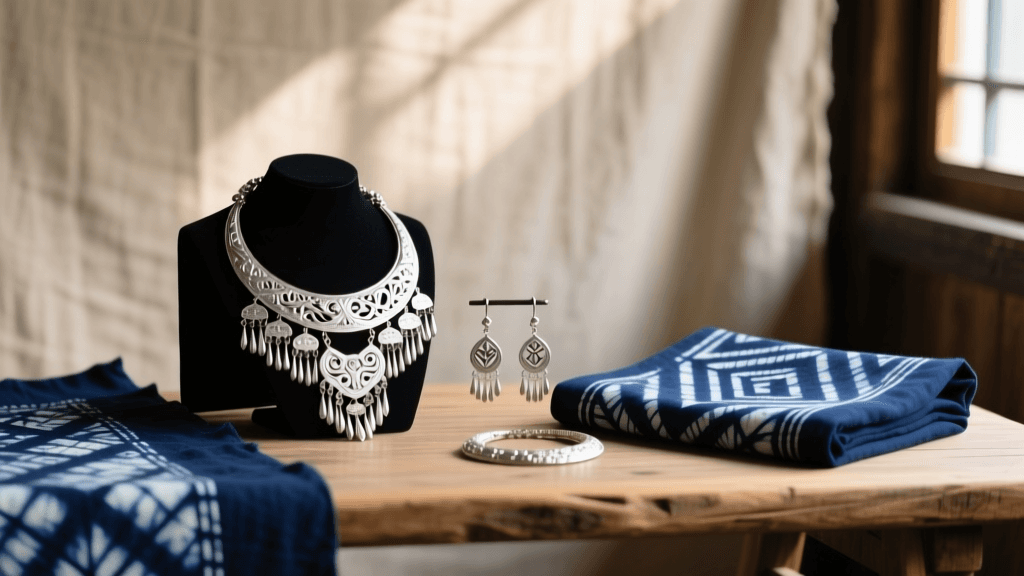
The market for traditional Japanese garments has bifurcated in 2026. On one end, collectors seek out late-19th and early-20th-century vintage pieces from specialized dealers in Kyoto and Tokyo, valuing the natural indigo fermentation and hand-spun cotton. These pieces are fragile and should be treated as wearable art rather than daily commuter gear.
On the other end, contemporary brands are utilizing traditional weaving techniques recognized by UNESCO Intangible Cultural Heritage, applying them to modern, durable silhouettes. Brands like Kapital, Visvim, and smaller independent artisans on platforms like Etsy and specialized Instagram boutiques are producing noragi and haori using vintage shuttle looms and natural indigo dyes, but reinforcing the seams with modern poly-core threads to withstand machine washing and daily abuse. When shopping, always check the 'drop shoulder' measurement and the 'sleeve-to-sleeve' wingspan, as traditional garments often have much wider shoulder measurements than Western outerwear.
Care and Maintenance for Mixed Wardrobes
Integrating heritage garments requires a shift in how you care for your laundry. Natural indigo, a staple in noragi and sashiko pieces, will bleed heavily during the first few washes. Never wash a vintage boro or natural indigo noragi with lighter garments. In 2026, the gold standard for caring for these textiles involves the following steps:
- Washing: Hand wash in cold water using a pH-neutral detergent specifically formulated for dark or denim fabrics. If you must machine wash a modern reproduction, turn it inside out, place it in a mesh laundry bag, and use the delicate cycle with cold water.
- Drying: Never tumble dry traditional cottons or silks. The agitation will break the delicate sashiko threads and distort the T-shaped silhouette. Always hang dry in the shade; direct sunlight will cause uneven fading in natural dyes.
- Storage: Because haori and noragi lack the structured padding of Western blazers, they should be stored on wide, contoured wooden hangers to support the shoulder seams, or folded flat using the traditional Japanese tatou folding method to prevent permanent creasing along the back seam.
By respecting the history, proportion, and material reality of the haori and noragi, you elevate your 2026 wardrobe from a simple collection of clothes into a curated exhibition of global textile history. Mixing these traditional Asian pieces with modern staples is not about playing dress-up; it is about recognizing the timeless utility and profound beauty of garments that have survived centuries of evolution.