Xiangyunsha Silk At Paris Fashion Week 2026: Top Runway Trends
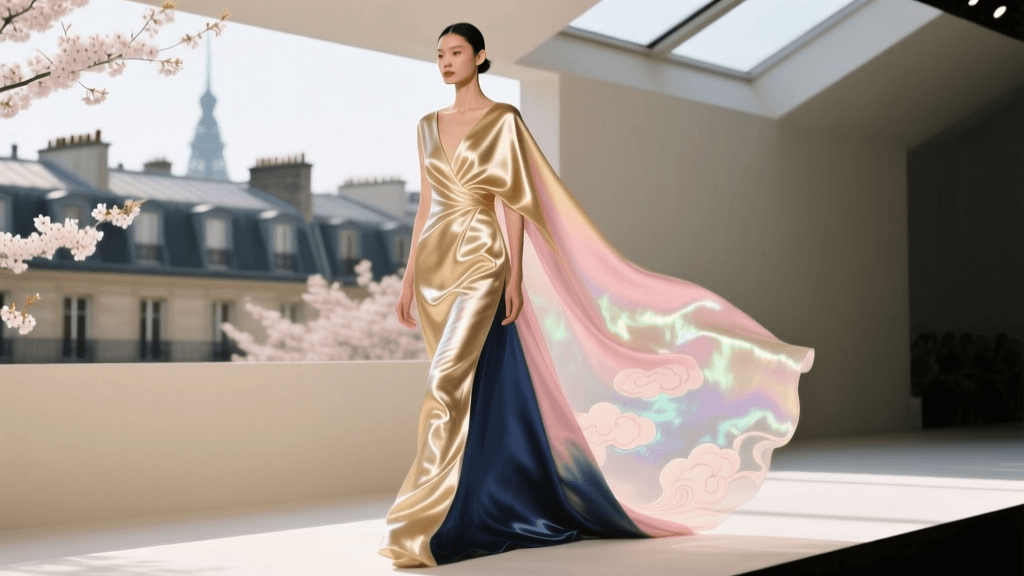
The global fashion landscape in 2026 has witnessed an unprecedented paradigm shift, with the Xin Zhongshi (New Chinese Style) movement evolving from a regional phenomenon into a dominant force on international runways. At the heart of this sartorial revolution is Xiangyunsha, also known as Gambiered Canton Gauze. Once a closely guarded regional secret of Guangdong province, this ancient, mud-dyed silk has become the most sought-after textile at Paris Fashion Week Spring/Summer and Autumn/Winter 2026. As global luxury houses and independent designers alike seek sustainable, culturally rich alternatives to mass-produced European textiles, Xiangyunsha offers a masterclass in heritage craftsmanship meeting modern haute couture.
The Global Ascent of Xiangyunsha in 2026
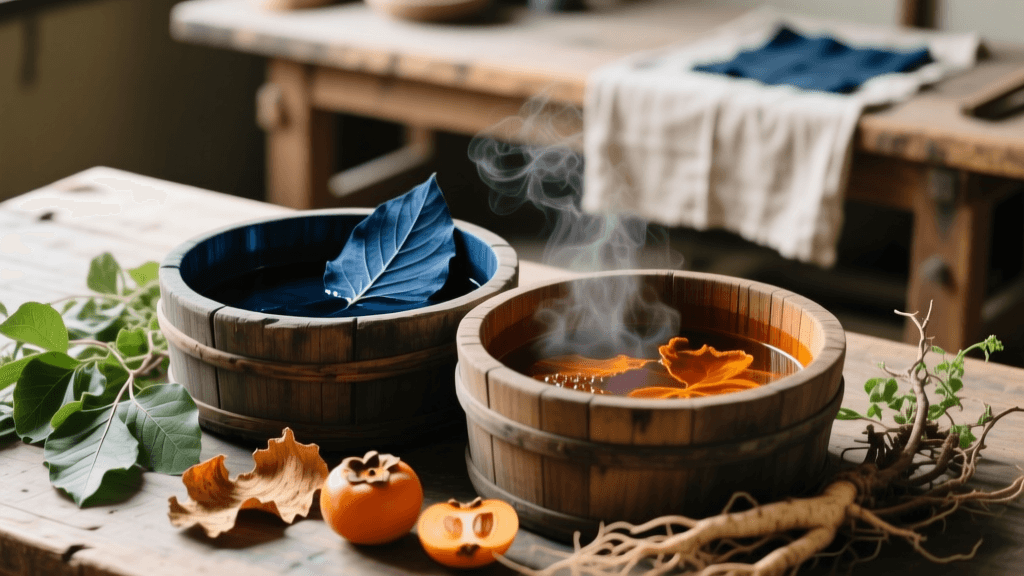
Xiangyunsha is not merely a fabric; it is a living artifact. The production process involves dyeing premium mulberry silk with the tannin-rich juice of the gambier plant, followed by a meticulous coating of iron-rich river mud, and finally, sun-baking for up to thirty days. According to historical archives documented by The Metropolitan Museum of Art, Chinese silk weaving and dyeing techniques have influenced global trade routes for centuries, but the 2026 runway season marks the first time this specific, hyper-local textile has been adopted at scale by international design houses.
In 2026, the global market for heritage Asian textiles has surged, driven by consumer demand for traceability, zero-waste production, and deep cultural narratives. Designers are no longer treating traditional Chinese garments as mere costumes; instead, they are deconstructing and reimagining them through a contemporary, global lens. The integration of Xiangyunsha into Parisian ateliers signifies a maturation of the Xin Zhongshi movement, transitioning from literal translations of historical dress to sophisticated, abstract interpretations of Chinese philosophy and material science.
Key Runway Trends: Blending Antiquity with Modernity
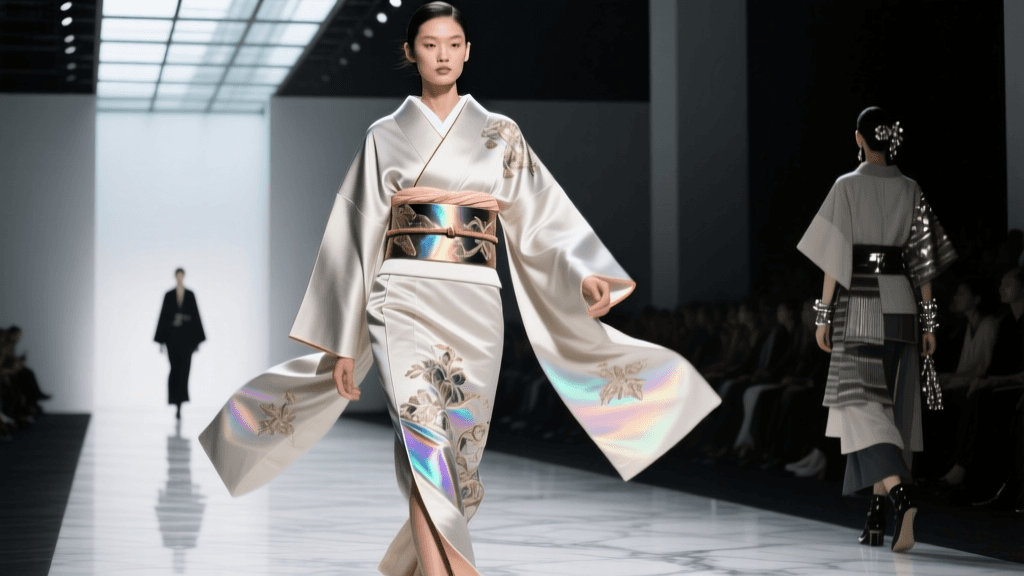
The Spring/Summer and Autumn/Winter 2026 shows in Paris showcased three distinct approaches to utilizing Xiangyunsha, highlighting its versatility and unique structural properties.
1. Deconstructed Ming Dynasty Silhouettes
Leading the charge were designers who reimagined the Mamianqun (horse-face skirt) and the Pifeng (traditional cloak). Rather than replicating historical garments, designers utilized the stiff, paper-like drape of heavily mud-coated Xiangyunsha to create architectural, asymmetrical hemlines. The natural stiffness of the fabric allows for gravity-defying pleats that hold their shape without the need for synthetic crinolines or chemical stiffeners, making it a favorite for avant-garde evening wear.
2. Zero-Waste Draping and Modular Construction
Sustainability remains the paramount directive in 2026. Xiangyunsha is inherently a zero-waste textile, as the traditional weaving widths (typically 70 to 90 centimeters) dictate the pattern cutting. Several emerging Asian designers showcased modular garments where the fabric was folded, wrapped, and tied using traditional Jiejin (knotting) techniques, completely eliminating off-cuts. This approach not only honors the historical reverence for silk but also aligns perfectly with the stringent 2026 European Union circular fashion mandates.
3. Bio-Dyed Mud Coatings and Textural Contrast
A major trend this year is the intentional exposure of the fabric's dual nature. Xiangyunsha features a glossy, dark brown or black front (the mud-coated side) and a matte, rust-orange back (the gambier-dyed side). Designers are utilizing reversible tailoring, exposing the vibrant orange interior through strategic cut-outs, lapel rolls, and deep vent slits, creating a striking visual contrast that highlights the organic, bio-dyed nature of the material.
Material Analysis: Xiangyunsha vs. European Silks
For buyers, archivists, and independent designers, understanding the technical specifications of Xiangyunsha compared to traditional Western silks is crucial for 2026 procurement and design planning. The unique mud-dyeing process alters the silk's protein structure, resulting in vastly different performance metrics. The Victoria and Albert Museum notes that the intersection of organic dyes and mineral-rich mud creates a natural armor for the silk fibroin, drastically altering its lifecycle and care requirements.
| Material Metric | Xiangyunsha (Gambiered Canton Gauze) | French Lyon Silk (Standard Heavyweight) | Standard Mulberry Silk (Charmeuse) |
|---|---|---|---|
| Tensile Strength | Exceptionally High (Mud-coated fibers) | Medium | Low to Medium |
| Breathability | High (Porous gambier dye structure) | Medium | Low (Tight weave) |
| Water Resistance | Naturally High (Repels light moisture) | Low (Absorbs water quickly) | Low (Water spots easily) |
| Drape & Stiffness | Stiff, architectural, paper-like rustle | Fluid, heavy, luxurious drape | Extremely fluid, bias-cut friendly |
| 2026 Wholesale Price | $130 - $180 per meter | $85 - $120 per meter | $45 - $70 per meter |
Sourcing Authentic Xiangyunsha in 2026
As demand has skyrocketed following the Paris 2026 shows, the market has seen an influx of counterfeit or chemically accelerated 'mud-dyed' silks. Authentic Xiangyunsha is a protected Geographical Indication (GI) product, and its production is strictly limited to specific regions in Foshan, Guangdong, where the iron content of the river mud is uniquely balanced.
For independent designers and boutique buyers looking to source authentic fabric in 2026, direct partnerships with heritage workshops in the Shunde District are essential. Minimum Order Quantities (MOQs) for authentic, sun-baked Xiangyunsha typically start at 50 meters per colorway. Because the dyeing process is entirely dependent on weather conditions—requiring intense, direct sunlight for the mud to react properly with the tannins—lead times can stretch from 45 to 90 days. Designers must plan their Autumn/Winter collections nearly a year in advance to secure authentic yardage.
Care, Maintenance, and Archival Storage
The unique chemical composition of Xiangyunsha requires specialized care, particularly for museum archivists and private collectors investing in 2026 runway pieces. The iron-rich mud coating can be abrasive to the silk fibers over time if stored improperly, and the gambier dye is sensitive to extreme alkalinity.
- Washing: Never use standard detergents. Xiangyunsha must be cleaned using pH-neutral, enzyme-free silk washes. In many cases, traditional dry-cleaning with hydrocarbon solvents is preferred over water washing to preserve the mud coating's integrity.
- Drying: Direct sunlight will degrade the gambier tannins and cause the rust-orange backing to fade. Garments must be air-dried in deep shade with high airflow.
- Storage: The UNESCO Intangible Cultural Heritage guidelines emphasize the preservation of traditional material cultures. For Xiangyunsha, archival storage requires unbleached, acid-free cotton garment bags. Plastic covers trap moisture, which can cause the iron particles in the mud coating to oxidize and rust, permanently staining the fabric.
- Folding vs. Hanging: Due to its stiffness, heavily coated Xiangyunsha is prone to cracking along fold lines. Garments should be hung on wide, padded wooden hangers to support the structural weight of the fabric without stressing the shoulder seams.
The Future of Chinese Heritage on the Global Stage
The triumph of Xiangyunsha at Paris Fashion Week 2026 is more than a fleeting trend; it is a definitive statement on the future of luxury. The Xin Zhongshi movement has successfully proven that ancient Asian traditions are not static relics to be observed behind glass, but dynamic, functional, and highly relevant materials capable of solving modern fashion's sustainability and design challenges. As international design houses continue to look East for inspiration, the meticulous, sun-baked silks of Guangdong will undoubtedly remain at the vanguard of global haute couture, bridging the gap between ancient alchemy and tomorrow's wardrobe.