Top Kimono Sewing Workshops 2026: Master Traditional Wasai
The Global Renaissance of Wasai in 2026
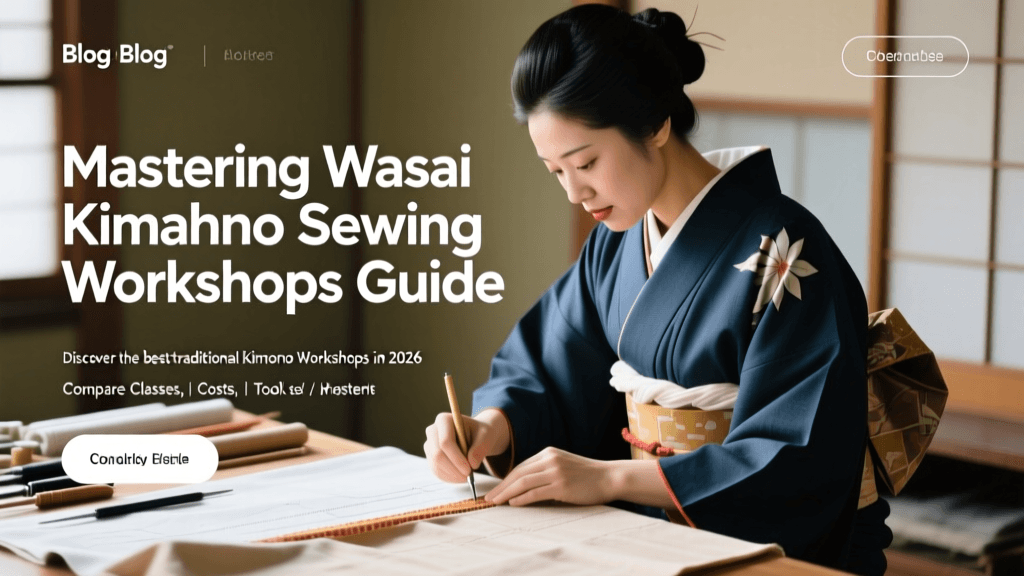
As we navigate the fashion and textile landscape of 2026, the demand for sustainable, culturally rich, and meticulously crafted garments has reached an all-time high. At the forefront of this movement is Wasai (和裁), the traditional Japanese art of kimono sewing. Unlike Western tailoring, which relies on complex curved patterns, draping, and cutting fabric to fit the body's contours, Wasai is rooted in straight-line construction and a profound respect for the textile. For enthusiasts, designers, and cultural preservationists, enrolling in a traditional Asian garment-making workshop has never been more rewarding. The 2026 season has seen an unprecedented surge in both in-person dojo seminars in Japan and high-definition virtual masterclasses available globally, making this ancient craft more accessible than ever before.
The Philosophy of Zero-Waste Garment Construction
Before diving into the logistics of finding the right seminar, it is crucial to understand the philosophy that underpins Wasai. According to the Victoria and Albert Museum's extensive archives on kimono construction, the traditional kimono is designed to be entirely zero-waste. A standard kimono is constructed from a single bolt of fabric known as a tanmono, which typically measures about 36 centimeters in width and 12 meters in length. Every single centimeter of this fabric is utilized in the final garment. There is no cutting away of armholes or necklines; instead, the fabric is folded, sewn, and tucked. This modular approach means that a kimono can be entirely unstitched, washed, re-dyed, and resewn, extending its lifespan across generations. In 2026, as the global fashion industry grapples with textile waste, Wasai offers a masterclass in sustainable, circular garment design.
Comparing 2026 Wasai Workshop Formats
Whether you are looking to travel to Kyoto for an immersive retreat or join a virtual seminar from your home studio, the options for learning traditional kimono construction cater to various skill levels and budgets. Below is a comparison of the primary workshop formats available this year.
| Workshop Type | Location | Duration | Average Cost (2026) | Best For |
|---|---|---|---|---|
| Kyoto Intensive Retreat | Kyoto, Japan | 14 Days | $3,200 - $4,500 | Advanced students seeking master-level mentorship and cultural immersion. |
| Virtual Masterclass Series | Global (Online) | 8 Weeks | $650 - $900 | International students wanting comprehensive theory and guided practice. |
| Local Community Dojo | Major Global Cities | Weekend (2 Days) | $250 - $400 | Beginners looking for hands-on introduction and local networking. |
Institutions like the prestigious Bunka Fashion College in Tokyo have recently expanded their 2026 short-course offerings, blending historical Wasai techniques with modern ergonomic sewing practices, ensuring that students of all ages can participate comfortably.
The Essential Wasai Toolkit for Modern Students
Walking into a Wasai seminar requires a specific set of tools that differ significantly from a standard Western sewing kit. While many 2026 workshops provide a starter kit, serious students should invest in their own traditional implements to build muscle memory and authenticity in their practice.
1. The Shaku (Traditional Ruler)
The shaku is the traditional Japanese measuring system. While metric conversions are common today, authentic workshops still teach using the kujira-shaku (whale ruler), which is approximately 37.8 centimeters long. Mastering this ruler is essential for reading vintage kimono patterns and drafting traditional proportions.
2. The Hera (Bamboo Spatula)
Instead of using chalk or water-soluble pens that might damage delicate silks, Wasai artisans use a hera. This smooth, pointed bamboo spatula is used to crease fabric, mark seam allowances, and turn corners with absolute precision. A high-quality, aged bamboo hera is a lifelong investment for any garment maker.
3. The Yubinuki (Traditional Thimble)
Western thimbles cap the end of the finger, but the Japanese yubinuki is a ring worn around the base of the middle finger. Often crafted from tightly wound silk thread over a paper or leather core, it provides a textured surface to push the needle through dense layers of silk and hemp without slipping. In 2026, artisan-crafted yubinuki in vibrant, modern colorways have become highly sought-after accessories among sewing enthusiasts.
4. The Kote (Traditional Iron)
Pressing is arguably the most critical step in Wasai. The kote is a specialized iron used to press seams flat and create the kise (the subtle fold over a seam allowance that protects the thread from abrasion). Modern 2026 electric kote offer precise temperature control, which is vital when working with temperature-sensitive fabrics like vintage tsumugi silk or modern sustainable cupro blends.
Core Construction Techniques You Will Master
When you enroll in a reputable Wasai seminar, the curriculum will focus heavily on the unique hand-sewing stitches that give the kimono its drape, durability, and flexibility. Machine sewing is rarely used in high-end traditional garment making.
- Shitate-gui (Running Stitch): The foundational stitch used for main seams. Students learn to maintain an exact stitch length (usually 3 to 4 millimeters) and keep the tension perfectly balanced so the fabric does not pucker.
- Kuke-gui (Blind Hem Stitch): Used for hemming the bottom of the kimono and the sleeves. The goal is to make the stitch virtually invisible on the right side of the garment, catching only a single thread of the fabric.
- Mitsu-gui (Overcast Stitch): Utilized to finish raw edges inside the garment, particularly around the collar and the inner lining, preventing fraying while maintaining a soft, flexible edge.
- Kise (Seam Folding): A hallmark of Wasai. After sewing a seam, the artisan uses the hera and kote to fold the seam allowance slightly over the stitch line. This protects the thread from friction and gives the kimono its characteristic soft, unstructured drape.
Fabric Sourcing: Navigating the Tanmono Market
A significant portion of any comprehensive 2026 Wasai workshop is dedicated to fabric sourcing and preparation. Students learn how to inspect a tanmono (fabric bolt) for flaws, understand the grainline, and prepare the silk through a process called yu-noshi (steam stretching). While traditional silk remains the gold standard, many contemporary seminars now incorporate sustainable alternatives, such as high-grade hemp, organic cotton, and innovative plant-based silks, reflecting the 2026 shift toward eco-conscious traditionalism. The Agency for Cultural Affairs in Japan has actively supported initiatives that bridge traditional textile weaving regions with modern sustainable fashion students, ensuring the survival of both the weaving and sewing arts.
Preparing for Your First Seminar
Success in a Wasai workshop requires more than just technical skill; it requires a shift in mindset. Western sewing often prioritizes speed and machine efficiency. Wasai prioritizes mindfulness, precision, and a deep physical connection with the textile. Before attending your first class, practice your hand-sewing posture. Traditional floor seating (seiza) is still common in Kyoto dojos, though many 2026 international seminars provide ergonomic table setups. Ensure your hands are meticulously moisturized but free of heavy oils that could stain the silk. Purchase a high-quality pair of embroidery scissors dedicated solely to cutting silk threads, and approach your first straight-line seam with patience. Mastering the art of Wasai is not merely about constructing a garment; it is about preserving a centuries-old dialogue between the artisan, the thread, and the fabric.