Kimono Silhouettes on 2026 Global Runways: Top Trends
The Renaissance of the Kimono Silhouette in 2026
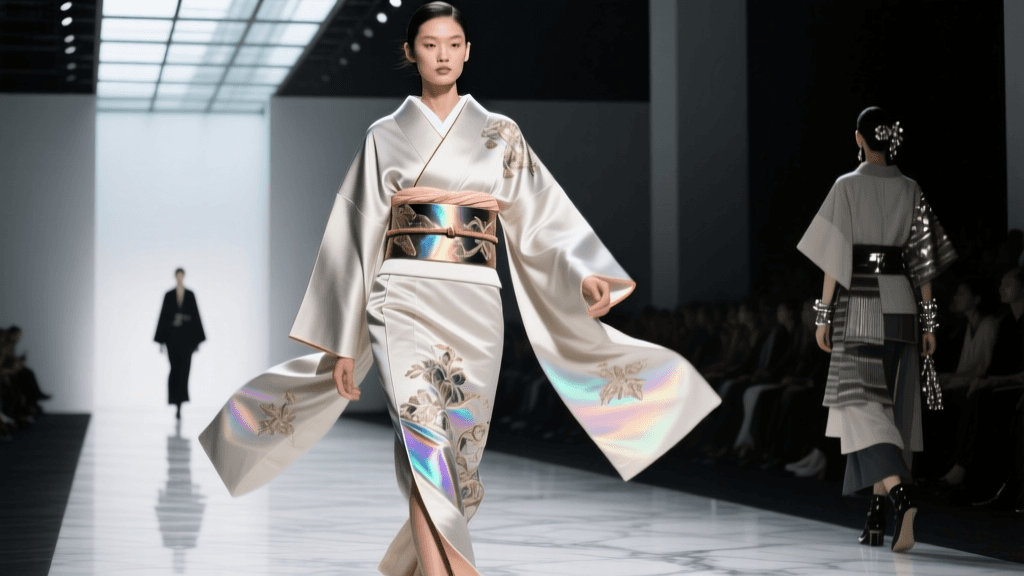
The global fashion landscape of 2026 has witnessed a profound sartorial shift, moving far beyond the superficial appropriation of Eastern motifs to embrace the deep, structural brilliance of traditional Japanese garments. As we navigate the Spring/Summer and Autumn/Winter 2026 fashion weeks in Paris, Milan, New York, and Tokyo, the kimono is no longer merely a source of exotic inspiration; it has become a foundational blueprint for modern haute couture and avant-garde ready-to-wear. Designers are now dissecting the T-shaped silhouette, the intricate drape of the sleeves, and the zero-waste cutting techniques inherent in traditional kimono construction to create garments that challenge Western tailoring norms.
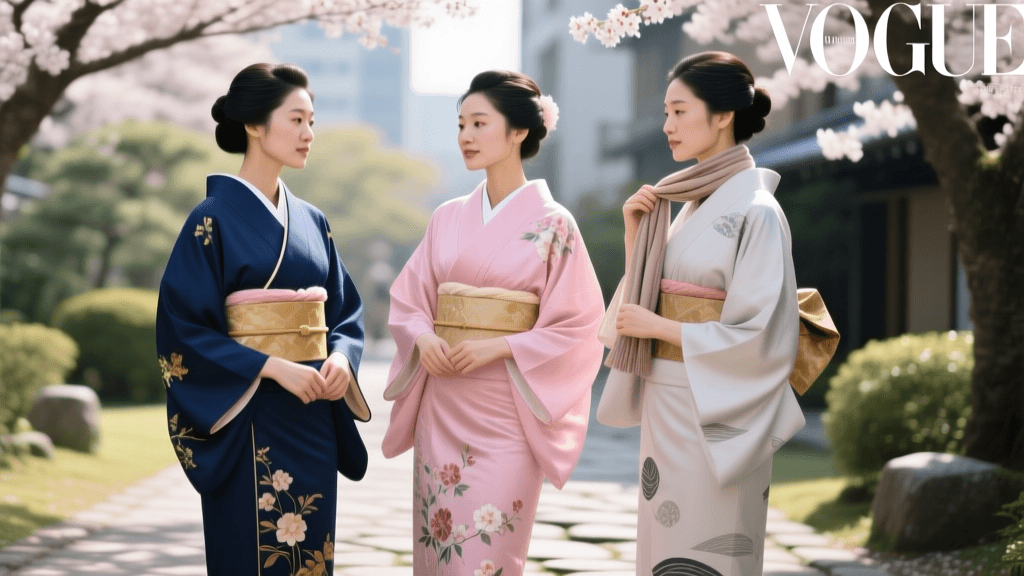
According to the extensive archives documented by the Victoria and Albert Museum's landmark 'Kimono: Kyoto to Catwalk' exhibition, the kimono has always been a dynamic garment, historically influencing European fashion from the 17th century onward. However, the 2026 runway season marks a pivotal moment where the integration is entirely respectful, highly technical, and structurally authentic. Rather than simply printing cherry blossoms on a Western-cut dress, today's leading fashion houses are adopting the flat-pattern cutting, the straight-line seams, and the modular layering systems that have defined Japanese dress for centuries.
Key Kimono Elements Dominating the 2026 Runways
The Obi Belt as Structural Couture
In 2026, the obi—the wide sash traditionally used to secure the kimono—has been reimagined as a primary tool for structural manipulation in Western tailoring. Runway stylists and designers are utilizing stiff, heavily embroidered obi-inspired belts to cinch oversized, fluid outerwear, creating a striking contrast between voluminous fabrics and rigid, architectural waistlines. Unlike the corsetry trends of the early 2020s, which focused on restrictive boning, the 2026 obi trend relies on wide, flat panels of structured silk and brocade that support the lower back while dramatically altering the garment's silhouette. These runway pieces often feature modernized kumihimo (traditional braiding) techniques integrated with sustainable metallic threads, offering a futuristic yet deeply historical aesthetic.
Nishijin-ori and Yuzen Dyeing in Modern Textiles
Textile innovation is at the heart of the 2026 fashion weeks, with a massive resurgence in the appreciation for Nishijin-ori (Kyoto brocade weaving) and Yuzen (resist dyeing). As highlighted by Japan's Ministry of Economy, Trade and Industry (METI), the preservation and modernization of these traditional crafts have become a focal point for international luxury conglomerates partnering with Kyoto-based artisan guilds. On the runways this year, we are seeing heavy, metallic Nishijin-ori fabrics used not just for evening gowns, but for structured, oversized blazers and wide-leg trousers. Meanwhile, the meticulous, hand-painted gradients of Yuzen dyeing are being applied to sustainable, lab-grown silk alternatives, allowing the vibrant, nature-inspired motifs to flow seamlessly across the unbroken, T-shaped seams of modern kimono-hybrid coats.
Wide Sleeves and the Furisode Influence
The dramatic, swinging sleeves of the furisode (the formal kimono worn by unmarried women) have heavily influenced 2026 evening wear. Designers are extending the sleeve length and widening the armhole to create a sense of kinetic movement on the runway. When models walk, the excess fabric of the sleeve billows and folds in a manner that mimics the elegant, deliberate gestures of traditional Japanese tea ceremonies. This focus on the 'negative space' between the body and the fabric is a direct philosophical borrowing from the concept of ma (spatial awareness), bringing a meditative, fluid quality to the otherwise fast-paced environment of global fashion weeks.
2026 Fashion Week Highlights: Paris, Milan, and Tokyo
The integration of the kimono silhouette varies significantly across different fashion capitals, reflecting local sartorial preferences while maintaining a unified respect for the garment's origins. Below is a breakdown of how the kimono has been interpreted across the major 2026 fashion weeks.
| Fashion Capital | Key 2026 Trend | Traditional Element | Modern Runway Application |
|---|---|---|---|
| Paris | Architectural Couture | Obi & Maru-obi | Stiff, sculptural waistbands integrated into tulle and silk organza gowns, replacing traditional corsetry. |
| Milan | Luxurious Layering | Haori & Kimono Collars | Wide, lapel-less collars on cashmere outerwear; layering sheer silk haori jackets over tailored suiting. |
| Tokyo | Avant-Garde Deconstruction | T-shaped Flat Pattern | Zero-waste cutting techniques; modular garments that can be disassembled and re-worn as both pants and coats. |
| New York | Streetwear Fusion | Jinbei & Yukata Cottons | Indigo-dyed, breathable cotton sets featuring crossed collars and wide, cropped trousers for high-end urban wear. |
As noted by industry analysts tracking global runway data via Vogue Runway's global fashion week archives, the Tokyo shows in particular have pushed the boundaries by merging the kimono with tech-wear, utilizing waterproof, heat-sealed seams on traditional silhouettes to create garments that are as functional in a 2026 downpour as they are beautiful on the catwalk.
Sustainable and Ethical Sourcing of Vintage Kimonos
A major driving force behind the kimono's 2026 runway dominance is the fashion industry's urgent pivot toward sustainability and circularity. The traditional kimono is inherently zero-waste; it is cut from straight bolts of fabric (tanmono) without the curved armholes and darts that result in significant textile offcuts in Western tailoring. Furthermore, kimonos are designed to be disassembled, washed, and re-dyed.
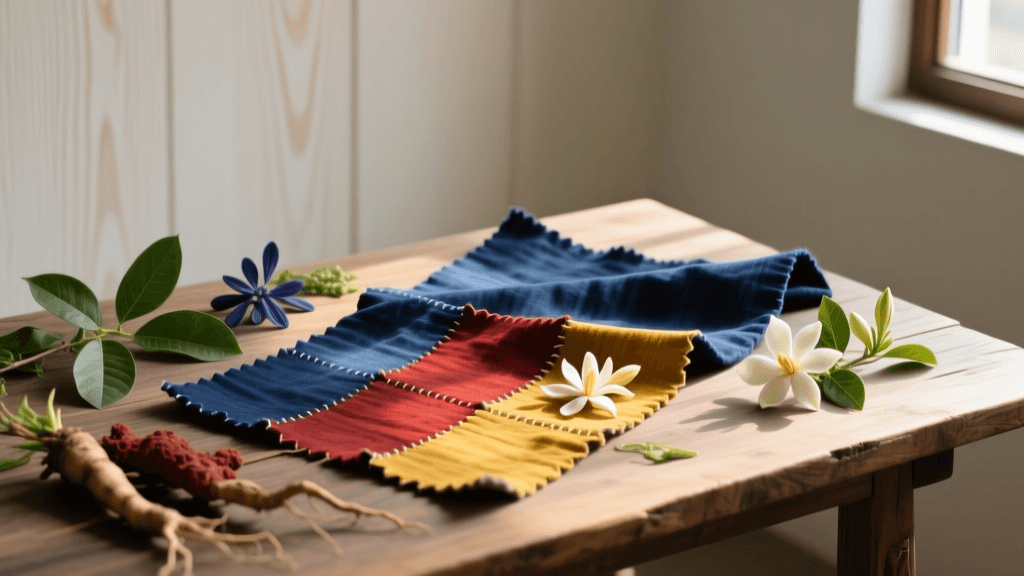
This year, numerous high-profile designers have partnered with Japanese vintage textile cooperatives to upcycle antique, pre-war kimonos that are too fragile or stained for traditional wear. By employing the visible mending techniques of Boro and Sashiko, these designers are transforming damaged silk and hemp into one-of-a-kind runway masterpieces. This practice not only rescues incredible historical textiles from landfills but also elevates the concept of 'wabi-sabi'—finding beauty in imperfection and transience—into a core tenet of 2026 luxury fashion. The ethical sourcing of these vintage pieces ensures that the original artisans are honored, and the cultural heritage is preserved rather than mass-produced in fast-fashion factories.
How to Incorporate Runway Kimono Trends into Everyday Wear
While the dramatic, floor-sweeping furisode sleeves and heavily brocaded obi belts are reserved for the runway and the red carpet, the core philosophies of the 2026 kimono trend can be seamlessly integrated into a modern, everyday wardrobe. Here is actionable advice on how to adopt these trends with authenticity and style:
- Invest in a Modern Haori: The haori (a traditional kimono jacket) is the most accessible entry point. Look for a mid-thigh length haori crafted from heavy silk crepe or a structured cotton-linen blend. In 2026, expect to pay between $180 and $350 for a high-quality, ethically sourced vintage or newly tailored piece. Wear it open over a simple turtleneck and wide-leg trousers to let the straight-line drape take center stage.
- Adopt the Obi Belt Silhouette: You do not need a formal maru-obi to achieve the runway look. Search for wide, structured belts measuring approximately 12 to 15 centimeters in width and 130 centimeters in length. Wrap the belt twice around the waist over an oversized blazer or a flowing midi-dress, securing it with a simple, flat knot at the back or side to mimic the traditional otaiko knot without the bulk.
- Embrace the Crossed Collar (Eri): The deep, crossed V-neckline of the kimono collar is universally flattering. Seek out wrap blouses and jackets that feature a wide, continuous lapel that mimics the eri. Ensure the right side is always wrapped underneath the left side, adhering to the strict traditional rules of kimono dressing (the reverse is reserved exclusively for dressing the deceased).
- Focus on Textile Storytelling: Incorporate accessories that highlight traditional Japanese craftsmanship. A kumihimo braided silk lanyard for your keys or a furoshiki (traditional wrapping cloth) used as a sophisticated, zero-waste alternative to a leather handbag are excellent ways to participate in the trend while supporting artisan communities.
'The true genius of the kimono lies not in its decoration, but in its relationship with the human body and the space it occupies. When modern designers finally understand the geometry of the T-shape, they unlock a new dimension of sartorial freedom.' — 2026 Global Textile Symposium, Kyoto.
Conclusion
The presence of the kimono on the 2026 global runways is a testament to the enduring power, adaptability, and profound sophistication of traditional Japanese garment construction. By moving past superficial motifs and embracing the structural, sustainable, and philosophical foundations of the kimono, the international fashion community is participating in a rich, cross-cultural dialogue. Whether through the architectural brilliance of a Parisian obi-couture gown or the quiet, sustainable luxury of an upcycled Tokyo haori, the kimono continues to shape the future of global fashion while honoring its magnificent past.