Top Chinese Natural Plant Dyes for Eco-Fashion 2026
The Renaissance of Cao Mu Ran in 2026
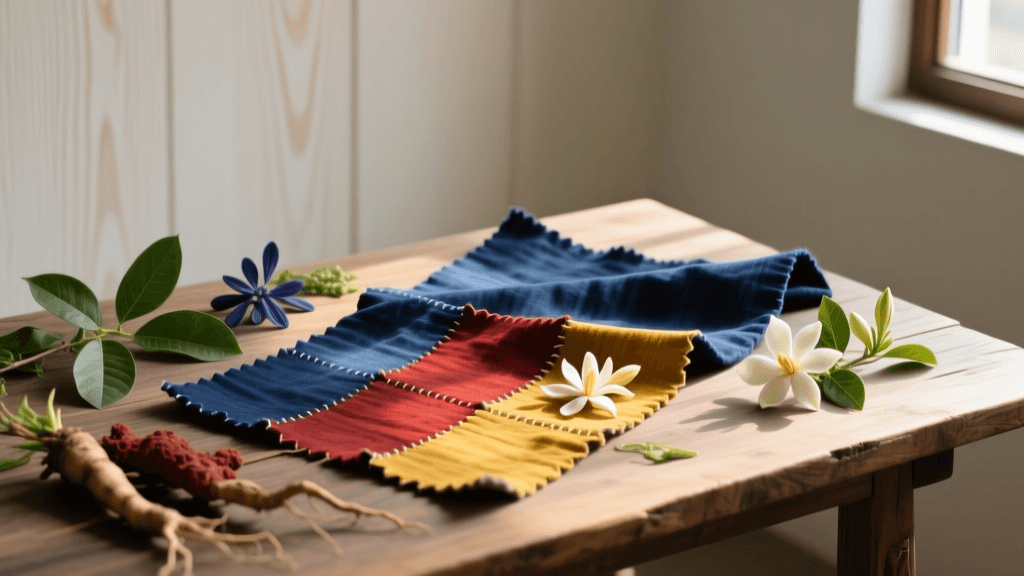
The global fashion industry is undergoing a massive paradigm shift in 2026, moving decisively away from toxic synthetic azo dyes and petroleum-based colorants. At the forefront of this sustainable revolution is the ancient Chinese art of Cao Mu Ran (草木染), or botanical dyeing. Once considered a niche heritage craft, traditional Chinese plant dyes are now being scaled by eco-conscious designers and artisanal brands worldwide. By leveraging centuries-old botanical knowledge alongside modern, closed-loop water systems, the 2026 eco-fashion landscape is proving that vibrant, colorfast textiles do not require environmental compromise.
According to recent insights on circular fashion models, eliminating hazardous chemicals at the design phase is critical for textile recycling. Natural plant dyes inherently solve this issue, as they are entirely biodegradable and non-toxic to aquatic ecosystems. In this comprehensive guide, we explore the three foundational pillars of Chinese natural dyeing—Indigo, Madder, and Gardenia—and provide actionable, up-to-date protocols for integrating these botanicals into your 2026 sustainable textile practice.
The Core Botanicals: Indigo, Madder, and Gardenia
While the Chinese pharmacopeia and agricultural records boast hundreds of dye-yielding plants, three botanicals remain the undisputed champions of the natural dye studio due to their historical significance, color yield, and modern commercial viability.
Indigo (Dian Lan): The Blue Standard
Chinese indigo, primarily derived from Strobilanthes cusia (Acanthaceae family) and Polygonum tinctorium, has been cultivated in southern China for over three millennia. Unlike other dyes that require heat extraction, indigo relies on a complex fermentation and reduction process. In 2026, the most sustainable studios have abandoned toxic reducing agents like sodium hydrosulfite in favor of organic fructose or henna-based reduction vats. This 'bio-vat' method maintains the necessary alkaline pH (around 11.5) using wood ash lye or calcium hydroxide, allowing the insoluble indigo pigment to convert into water-soluble leuco-indigo. When the textile is submerged and subsequently exposed to oxygen, it oxidizes into the iconic, colorfast blue that has defined global denim and traditional Xiang Yun Sha silk for generations.
Madder (Qian Cao): The Crimson Root
For rich reds, terracottas, and deep corals, Chinese madder (Rubia cordifolia) is the premier choice. The active colorants, alizarin and purpurin, are concentrated in the roots of the plant, which are typically harvested after three to five years of growth. The critical challenge with madder in 2026 is temperature control. If the dye bath exceeds 65°C (149°F), the yellow and brown tannins in the root begin to extract alongside the red alizarin, resulting in a muddy, desaturated orange. Modern eco-dyers use precise digital induction heaters to hold the bath at exactly 60°C for 90 minutes, yielding brilliant, clear crimsons. To achieve deep burgundies, madder is often layered over a base of indigo, a technique historically reserved for imperial garments.
Gardenia (Zhi Zi): The Imperial Yellow
Derived from the fruit of the Gardenia jasminoides shrub, this dye produces a stunning, luminous yellow prized during the Tang and Song dynasties. The primary coloring agent is crocin, a water-soluble carotenoid. Gardenia is a direct or substantive dye, meaning it can bind to protein fibers like silk and wool without the need for a metallic mordant. However, its Achilles' heel has historically been poor lightfastness. In 2026, textile scientists and artisanal dyers have mitigated this by utilizing natural UV-blocking finishes derived from green tea extract and titanium dioxide nanoparticles, allowing gardenia-dyed garments to meet modern commercial lightfastness standards without resorting to synthetic stabilizers.
2026 Eco-Friendly Mordanting & Extraction Techniques
The bridge between a botanical pigment and a textile fiber is the mordant. Historically, heavy metals like chrome and tin were used, but these are entirely banned in modern eco-fashion due to their toxicity. The 2026 standard relies on bio-mordants and benign mineral salts. Below is a comparative breakdown of the core Chinese dye plants and their optimal modern processing parameters.
| Botanical Name | Common Name | Target Hue | 2026 Avg. Cost (USD/kg) | Eco-Mordant | Lightfastness |
|---|---|---|---|---|---|
| Strobilanthes cusia | Chinese Indigo | Deep Blue | $45.00 | None (Vat Dye) | Excellent (4-5) |
| Rubia cordifolia | Chinese Madder | Crimson / Coral | $32.00 | Alum / Soy Milk | Good (3-4) |
| Gardenia jasminoides | Gardenia Fruit | Imperial Yellow | $58.00 | Symplocos / Alum | Fair (2-3) |
| Phellodendron amurense | Amur Cork Tree | Neon Yellow | $65.00 | None (Direct) | Fair (2-3) |
| Gallnut (Quercus) | Chinese Gallnut | Grey / Black | $28.00 | Iron (Ferrous Sulfate) | Excellent (4-5) |
The Soy Milk Protein Binder Technique
For cellulose fibers like organic cotton, hemp, and ramie, plant dyes struggle to adhere without a mordant. In 2026, the most popular sustainable solution is the soy milk binder method. By soaking scoured cellulose fibers in a diluted solution of unflavored, additive-free soy milk (ratio: 1 part soy milk to 5 parts water) and allowing them to cure in the shade for 48 hours, the plant proteins coat the cellulose. This creates a protein-rich surface that readily accepts madder and gardenia dyes, completely eliminating the need for aluminum or iron salts.
Sourcing Authentic Chinese Dye Plants in 2026
As demand for traceable, ethically harvested botanicals has surged, the supply chain for Chinese dye plants has matured significantly. In 2026, purchasing raw materials requires verifying both the botanical authenticity and the agricultural practices of the supplier.
- Direct-from-Farm Cooperatives: Platforms connecting global buyers directly to farming cooperatives in Guizhou and Yunnan provinces have become the gold standard. These cooperatives practice regenerative agriculture, intercropping dye plants with food crops to maintain soil health.
- Certified Organic Extracts: For studios lacking the space for raw extraction, 2026 has seen a rise in certified organic, freeze-dried dye extracts. While more expensive (averaging $120-$150 per kg), they offer 100% color consistency and drastically reduce water and energy usage in the studio.
- Wildcrafting Ethics: When sourcing wild-harvested plants like the Amur Cork Tree bark, ensure your supplier adheres to strict pruning quotas. Over-harvesting bark can kill the tree, so reputable 2026 suppliers only source from managed forestry thinnings.
Environmental Impact & Sustainability Metrics
The environmental argument for Cao Mu Ran is rooted in its life-cycle analysis. Synthetic dyeing is notoriously resource-intensive, often requiring up to 200 liters of water to dye a single kilogram of cotton, while releasing toxic effluent into waterways. In contrast, modern closed-loop natural dye studios in 2026 utilize approximately 30 to 40 liters of water per kilogram, with the spent dye bath safely composted or used as agricultural fertilizer.
Furthermore, the preservation of these techniques supports vital cultural heritage. The intricate knowledge of botanical extraction and weaving is recognized globally for its cultural importance, much like the traditional Li textile techniques of Hainan Island, which rely heavily on indigenous plant dyes. Supporting these supply chains ensures that indigenous and rural farming communities receive fair-trade compensation for their ancestral knowledge.
Troubleshooting Common Dyeing Issues
Even with precise 2026 technology, natural dyeing is an organic process subject to environmental variables. Here is how to troubleshoot the most common issues:
- Uneven Patchiness on Silk: This is almost always a scouring issue. Silk must be degummed thoroughly. Use a bio-enzyme scour at 45°C for 60 minutes rather than harsh alkaline soaps, which can damage the fibroin protein and cause uneven dye uptake.
- Madder Yielding Brown Instead of Red: Your temperature spiked above 65°C, or your water pH is too acidic. Ensure your water pH is neutral (7.0) before adding the madder, and use a digital sous-vide circulator to maintain a strict 60°C limit.
- Indigo Vat 'Dying' or Staying Green: The vat has lost its reduction state or the pH has dropped. Test the pH; if it is below 10.5, add a small amount of calcium hydroxide. If the pH is correct but the vat is green, add a teaspoon of organic fructose to feed the reduction bacteria and wait 24 hours.
The Future of Botanical Color
As we navigate 2026, the integration of Chinese natural plant dyes into mainstream eco-fashion is no longer a romantic ideal, but a commercial reality. By respecting the ancient chemistry of Cao Mu Ran and applying modern sustainable metrics, designers and artisans are creating garments that are not only visually breathtaking but ecologically restorative. Whether you are a hobbyist experimenting with gardenia in your kitchen or a brand scaling up madder-dyed organic cotton, the botanical palette of China offers a vibrant, non-toxic path forward for the future of textiles. For further reading on the botanical sources of these colors, the Royal Botanic Gardens offers extensive archives on the global history and cultivation of natural dye plants.