Hanfu on Global Runways: 2026 Mamianqun & Beizi Trends
The 2026 Haute Couture Paradigm Shift
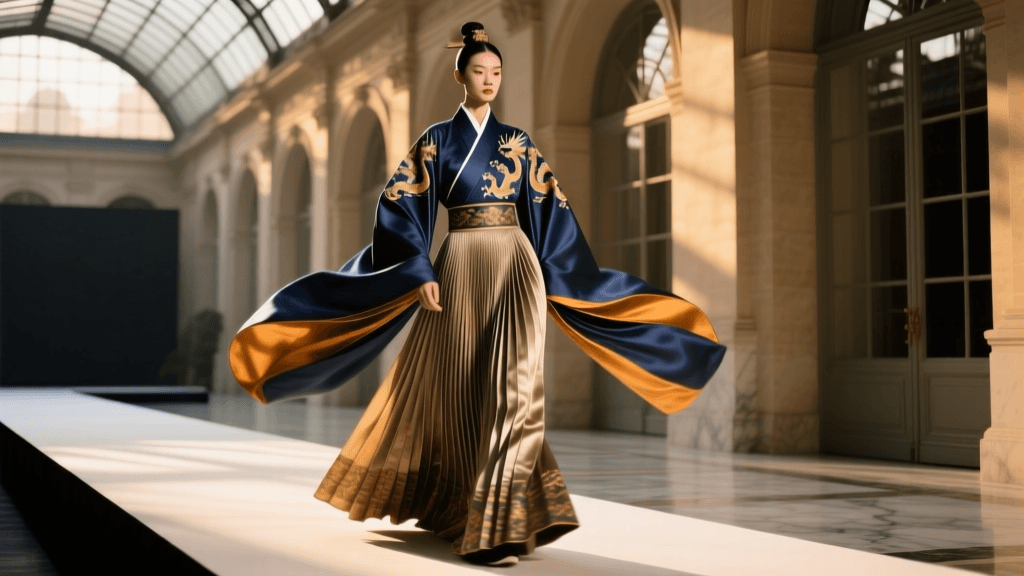
The global fashion landscape has undergone a seismic transformation as we navigate the 2026 runway season. Hanfu, the traditional clothing of the Han Chinese, has transcended its roots as a cultural revival movement and streetwear phenomenon to become a staple of international haute couture. From the grand salons of Paris Fashion Week to the industrial-chic venues of Milan, top-tier design houses and independent Asian couturiers are reinterpreting historical silhouettes for the modern global elite. This year, the spotlight is firmly on two iconic garments: the Ming Dynasty Mamianqun (horse-face skirt) and the Song Dynasty Beizi (open-front coat).
According to industry analysts, the integration of traditional Chinese garments into Western fashion capitals is no longer about mere exoticism; it is about structural innovation and sustainable textile engineering. As noted by Vogue's extensive coverage on the Hanfu movement, the modern consumer demands historical accuracy married with contemporary wearability. In 2026, designers are achieving this by deconstructing ancient patterns and rebuilding them with bio-engineered fabrics, zero-waste cutting techniques, and modular styling options that appeal to international buyers and fashion editors alike.
Deconstructing the Runway Mamianqun
The Mamianqun, characterized by its flat front and back panels (the 'horse faces') flanked by intricate side pleats, has become the most sought-after silhouette of the 2026 eveningwear collections. Historically, these skirts were heavy, woven from stiff silk brocades that restricted movement. Today's runway adaptations prioritize fluid dynamics and climate adaptability.
Designers in Milan are currently showcasing Mamianqun crafted from recycled PET jacquard interwoven with temperature-regulating bio-silk. This allows the skirt to maintain its architectural pleat structure while weighing less than half of its historical counterpart. The waistbands have also evolved. While traditional skirts relied on long linen ties that required complex knotting, 2026 runway pieces feature hidden magnetic clasps and micro-elastic tensioners, allowing models and attendees to secure the garment in seconds without compromising the historical aesthetic.
Runway Specifications: Traditional vs. 2026 Adaptations
| Feature | Traditional Ming Dynasty | 2026 Runway Adaptation |
|---|---|---|
| Fabric Composition | Heavy Mulberry Silk Brocade | Recycled PET Jacquard & Bio-Silk |
| Pleat Architecture | 12 to 16 tight knife pleats | 8 deep box pleats for kinetic movement |
| Waistband Closure | White cotton/linen tie strings | Hidden elastic & magnetic clasp system |
| Hemline Length | Ankle-grazing (approx. 105cm) | Asymmetrical midi (90cm - 110cm) |
| Pattern Technique | Hand-woven Zhuanghua (makeup flower) | Laser-etched velvet burnout & digital loom |
For fashion buyers and stylists sourcing these pieces, it is crucial to note the pleat ratio. The 2026 standard favors an 8-pleat box structure over the traditional 16-pleat knife structure. This modification prevents the 'lantern effect' (where the skirt balloons outward in the wind) and ensures the skirt drapes cleanly over modern footwear, such as square-toe ankle boots and architectural loafers.
The Song Dynasty Beizi: Layering for Modern Climates
While the Mamianqun dominates eveningwear, the Song Dynasty Beizi has become the quintessential outerwear piece for 2026 daytime runway shows and off-duty model street style. The Beizi is a long, open-front coat with side slits that reach up to the armpit, traditionally worn over a slip dress or inner garment. Its minimalist, elongated lines align perfectly with the current global appetite for quiet luxury and fluid tailoring.
In Paris, we are seeing the Beizi reimagined as the ultimate transitional duster coat. Couturiers are utilizing raw-edged Tussah silk and lightweight linen-cupro blends, making the garment breathable enough for early September fashion week weather. The collar variations are also a major point of innovation. The traditional straight collar (zhiling) is being widened to create dramatic, structured lapels, while the crossed collar (jiaoling) is being tailored with internal wire lining to maintain a sharp, unyielding V-neckline that frames the face perfectly for editorial photography.
Understanding the historical context is vital for authentic styling. As documented by the Metropolitan Museum of Art's Heilbrunn Timeline of Art History, the evolution of Chinese dress has always been deeply tied to social structure and philosophical ideals of harmony. The 2026 Beizi honors this philosophy by acting as a harmonious bridge between the structured inner layers and the chaotic environment of the modern city, providing a literal and figurative shield of elegance.
Textile Innovations: Yunjin Brocade Meets Smart Weaving
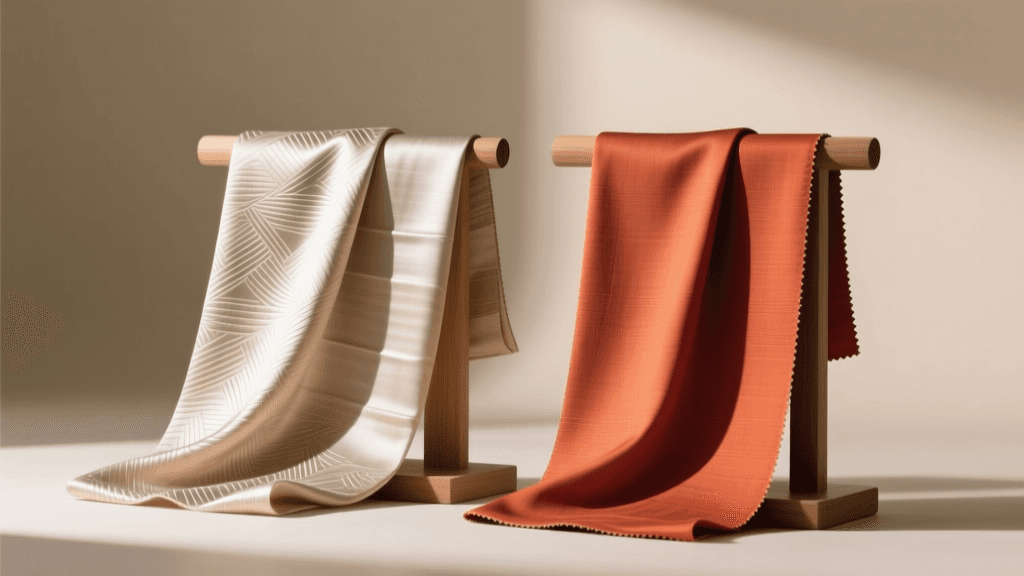
You cannot discuss the 2026 Hanfu runway without addressing the textile revolution happening in the ateliers of Nanjing and Suzhou. Yunjin brocade, a UNESCO-recognized intangible cultural heritage known for its cloud-like patterns and use of gold and peacock feather threads, has been modernized for the runway. Traditional Yunjin is incredibly fragile and requires dry-cleaning. However, 2026 textile engineers have developed a nano-coating process that renders these opulent brocades water-resistant and stain-repellent.
This innovation means that a model can walk a rain-slicked runway in Milan wearing a gold-threaded Mamianqun without the risk of water damage. Furthermore, the integration of micro-conductive threads into the hems of Beizi coats allows for subtle, battery-powered illumination, creating a bioluminescent effect during evening shows without the need for external lighting rigs. These smart textiles are currently retailing between $4,500 and $12,000 for bespoke runway pieces, reflecting the immense labor and technological R&D involved.
Sourcing and Buyer's Guide for 2026
For boutique owners and private clients looking to acquire authentic, runway-grade Hanfu, the sourcing landscape in 2026 is highly structured. Mass-produced costumes are entirely absent from the luxury market; instead, buyers must engage directly with heritage ateliers.
- Suzhou Silk Ateliers: Best for lightweight Beizi and summer Mamianqun. Lead times are currently 45 to 60 days. Expect to pay $1,200 to $2,800 for hand-finished pieces.
- Nanjing Yunjin Masters: Best for heavyweight, ceremonial eveningwear. Due to the scarcity of master weavers, lead times can exceed 90 days. Pricing starts at $5,000 and can reach $25,000 for gold-leaf integrated designs.
- Chengdu Shu Brocade Houses: Known for vibrant, color-fast geometric patterns ideal for avant-garde runway styling. Prices range from $1,800 to $3,500.
When placing an order, always request a 'toile' (a mock-up in muslin or cheap cotton) to verify the pleat placement and collar drape before the master weavers cut the expensive silk. In 2026, most high-end ateliers offer 3D digital avatars for remote fittings, drastically reducing the need for international travel during the sampling phase.
Fashion Week Survival: Styling and Maintenance
Attending international fashion weeks requires a wardrobe that can withstand 14-hour days, constant travel, and unpredictable weather. If you are incorporating Hanfu into your 2026 fashion week travel wardrobe, practical maintenance is just as important as the aesthetic.
Essential Packing and Care Kit
- Portable Steam Generator: Do not rely on hotel irons. A high-pressure handheld steamer with a brass plate attachment is mandatory for resetting the sharp knife pleats of a Mamianqun after a long flight.
- Silk-Safe Wrinkle Release Spray: Formulated without alcohol, this is crucial for refreshing the inner layers of a Beizi between back-to-back shows.
- Magnetic Hem Weights: Wind tunnels outside venues like the Palais de Tokyo can ruin a runway silhouette. Concealed magnetic hem weights ensure the Beizi side-slits drape elegantly rather than flying up.
- Minimalist Footwear Pairing: Avoid traditional cloud-toe shoes for daytime events, as they lack the arch support needed for cobblestone streets. Opt for 2026's trending square-toe leather mules or chunky-soled Chelsea boots to ground the ethereal silk with modern grit.
Conclusion
The 2026 global runway season has definitively proven that Hanfu is not a fleeting trend, but a permanent fixture in the lexicon of international luxury fashion. By respecting the structural genius of the Ming Dynasty Mamianqun and the elegant minimalism of the Song Dynasty Beizi, while fearlessly embracing modern textile engineering, designers have created a new paradigm for cultural fashion. Whether you are a buyer sourcing the next big silhouette, a stylist dressing A-list talent, or an enthusiast attending your first Paris Fashion Week, understanding the precise measurements, fabric innovations, and historical context of these garments is your key to mastering the 2026 sartorial landscape.