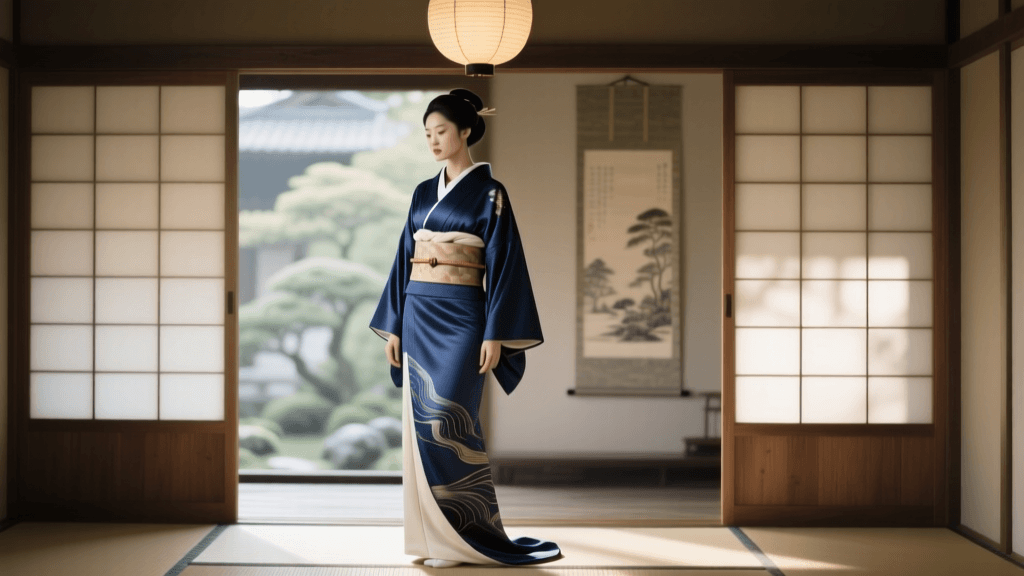
Mastering the Otaiko Knot: A Step-by-Step Obi Tutorial
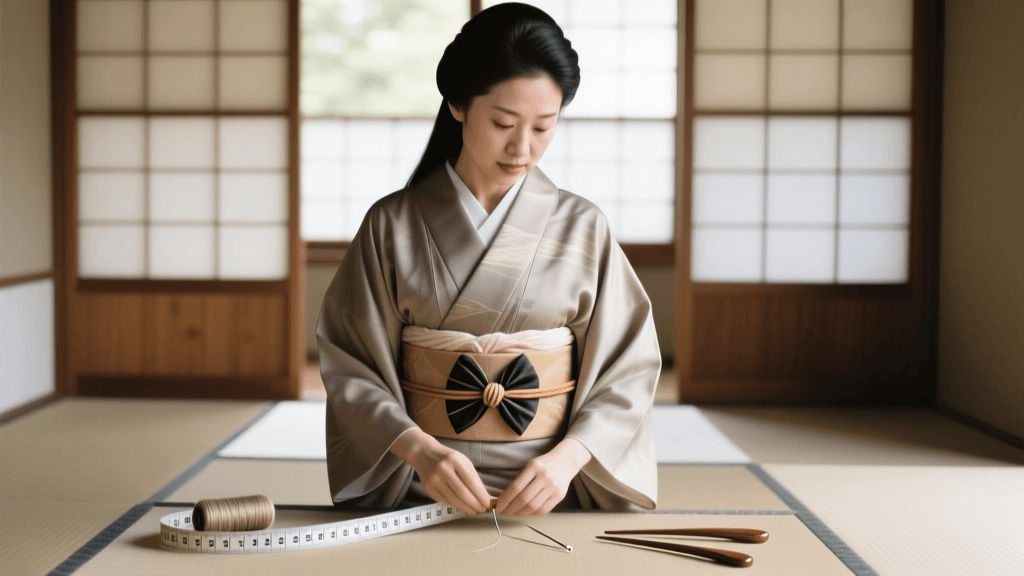
The Soul of the Kimono: Understanding the Obi
When wearing a traditional Japanese kimono, the garment itself often serves as a beautiful, flowing canvas, but the true focal point of the entire ensemble is the obi. Far more than a simple belt, the obi is a masterpiece of textile art and structural engineering that defines the silhouette, formality, and seasonal appropriateness of the wearer. According to the Metropolitan Museum of Art, the obi evolved dramatically from a narrow, functional cord in the 16th century into the wide, highly decorative sash that anchors modern Japanese traditional dress.
For women, the most versatile, elegant, and widely worn knot is the Otaiko Musubi, commonly translated as the 'Drum Knot'. Characterized by its smooth, box-like fold at the back that resembles a traditional Japanese drum, it is appropriate for a wide range of semi-formal and formal occasions. This comprehensive guide focuses on tying the Otaiko Musubi using a Nagoya Obi, which is pre-folded and stitched to make the dressing process more accessible for beginners and intermediate practitioners alike. Expect this process to take roughly 15 to 20 minutes as you build muscle memory.
Essential Tools and Measurements
Before attempting to tie the Otaiko Musubi, you must gather the correct accessories. The structural integrity of the knot relies heavily on hidden ties and stiffeners. Ensure you have the following items prepared:
- Nagoya Obi: Measuring approximately 360cm in length and 30cm in width. The Nagoya obi is unique because one end (the tesaki) is folded in half and stitched, while the other end (the tare) remains fully open. This design reduces bulk at the front of the body.
- Koshihimo (Waist Ties): You will need three to four cotton or silk ties, each about 120cm long and 5cm wide. These are the hidden workhorses that hold the heavy silk in place.
- Obiage (Silk Sash): A decorative piece of silk cloth, typically measuring 150cm by 30cm, used to cover the top of the obi knot and add a pop of contrasting color.
- Obijime (Braided Cord): A 150cm long woven silk cord that wraps horizontally through the center of the drum knot to secure the structure and provide a finishing accent.
- Obi-ita (Obi Board): A stiff, felt-covered board inserted into the front of the obi to prevent the silk from wrinkling when pulled tight.
- Kimono Clips: Three to four plastic or metal clips to hold fabric in place while your hands are busy wrapping.
Comparison of Traditional Obi Types
Understanding where the Nagoya obi fits within the broader hierarchy of traditional Japanese sashes is crucial for dressing appropriately. Below is a comparison chart detailing the most common obi types, their measurements, and their designated formality levels.
| Obi Type | Length / Width | Formality Level | Common Knots |
|---|---|---|---|
| Hanhaba Obi | 300cm / 15cm | Casual (Yukata, Wool Kimono) | Bunko (Butterfly), Katabasami |
| Nagoya Obi | 360cm / 30cm | Semi-Formal to Formal (Tsumugi, Komon, Iromuji) | Otaiko Musubi (Drum Knot) |
| Fukuro Obi | 420cm / 30cm | Formal (Furisode, Houmongi, Tomesode) | Nijuudaiko, Fukuradaiko |
| Maru Obi | 450cm / 60cm | Ultra-Formal (Bridal, Maiko/Geisha) | Karuta Musubi, Darari |
Step-by-Step Tutorial: Tying the Nagoya Obi
Dressing in a kimono requires patience and precision. Ensure your kimono is already properly fitted, with the hemline adjusted and the collar secured before beginning the obi process.
Step 1: Preparation and the First Wrap
Begin by locating the sanbun (the one-third mark) of the Nagoya obi. This is usually indicated by a small stitch or a change in the fabric pattern, located roughly 120cm from the narrow, folded end (tesaki). Drape the obi over your left shoulder so that the narrow tesaki hangs down your back, reaching just below your shoulder blades. The wide, open end (tare) should be in your right hand.
Take the wide end and wrap it around your waist from front to back, keeping the top edge of the obi perfectly level. As you bring it back around to the front, insert the obi-ita (stiffener board) between the kimono and the obi to ensure a smooth, wrinkle-free surface. Wrap the wide end around a second time, pulling it tightly to secure the base. The tension here is critical; a loose base will cause the entire knot to sag throughout the day. Use a clip to temporarily secure the overlapping layers at the front center.
Step 2: Creating the Otaiko (Drum) Shape
Move your focus to the back. Take the narrow tesaki that is hanging down and pull it upward, adjusting it so the bottom edge sits just below where you want the final knot to rest. Now, take the wide tare end and pull it upward over the tesaki. You are now forming the 'drum'.
Fold the wide tare end horizontally to create the top curve of the drum. The width of this fold should match the width of your back, typically around 30cm to 35cm, depending on your frame. Let the excess fabric of the tare hang down inside the fold. This hidden tail should be tucked neatly out of sight. The visual result from the outside should be a smooth, convex, drum-like shape resting on your lower back.
Step 3: Securing with Koshihimo and Obiage
With one hand holding the drum shape in place, take your first koshihimo (waist tie) and wrap it tightly around the very center of the drum, crossing it at the front and tying it securely with a flat, square knot. This tie bears the entire weight of the obi. Remove the temporary clips from the front.
Next, prepare the obiage. Fold the silk sash in half lengthwise, then wrap it around the top edge of the obi drum, tucking the ends into the front of the kimono collar. The obiage should peek out just slightly above the top edge of the obi, acting as a vibrant border. Tie it loosely at the front center; it will be hidden by the obijime later.
Step 4: The Final Touches with Obijime
Thread the obijime (braided cord) through the center gap of the drum knot at the back. Pull it tightly around to the front, ensuring the drum shape is compressed and locked into position. Tie the obijime at the front center using a specialized flat knot, such as the wakana or a simple square knot, and tuck the fringed ends neatly into the sides of the knot. Finally, adjust the obiage at the front, tying it into a neat, flat knot and tucking the excess fabric securely behind the obijime. Ensure the front layers of the Nagoya obi are perfectly aligned and smooth.
Pro Tips for Long-Lasting Wear and Sourcing
Wearing an obi tightly can restrict breathing and digestion if done incorrectly. The golden rule of kimono dressing is to tie the obi at the natural waist (around the belly button for women), ensuring the tension is distributed evenly across the core rather than digging into the ribs or hips. When sitting, always use a backless chair or sit on the edge of the seat to avoid crushing the Otaiko drum against the wall or chair back.
'The beauty of the kimono lies not just in the silk, but in the posture it demands. A well-tied obi acts as a gentle corset, reminding the wearer to stand tall, move gracefully, and honor the garment's history.'
For those looking to acquire their own Nagoya obi, vintage markets in Tokyo and Kyoto offer stunning, pre-loved silk pieces ranging from $50 to $150 USD. However, if you are traveling and wish to experience the art of dressing without the initial investment, renting is a fantastic alternative. As highlighted by Japan Guide, kimono rental shops in cultural hubs like Kyoto and Kanazawa provide full dressing services, including the meticulous tying of the Otaiko Musubi by licensed professionals, typically costing between $30 and $60 USD for a full-day experience. Whether you are tying it yourself in your bedroom or being dressed by a master in a historic machiya, mastering the Otaiko Musubi is a deeply rewarding gateway into the living tradition of Japanese textile arts.