Mindful Kitsuke: Kimono Dressing As Zen Meditation 2026
The Resurgence of Somatic Garment Grounding in 2026
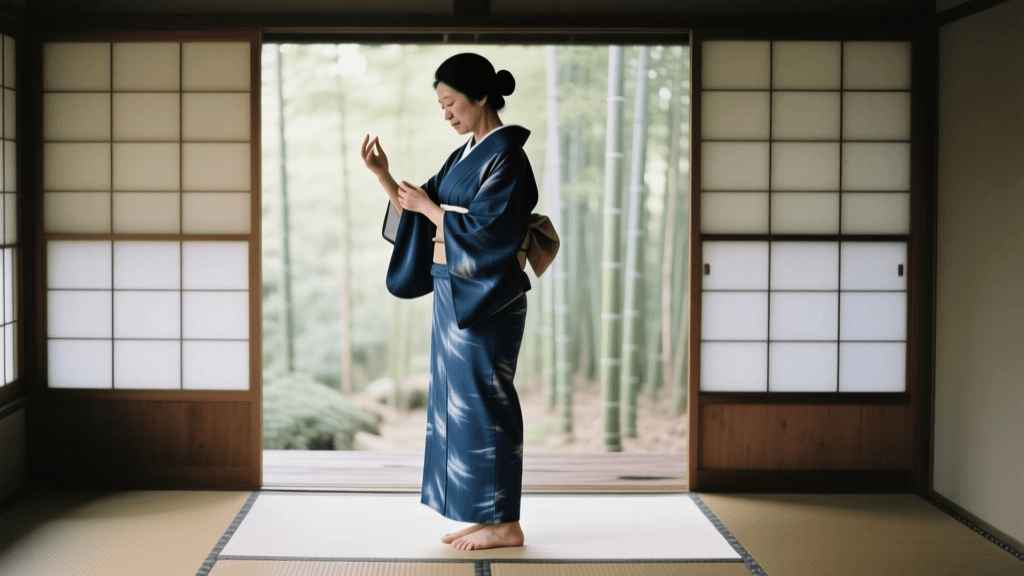
In the hyper-connected, fast-paced digital landscape of 2026, the global wellness community has increasingly turned to ancient, embodied practices to combat chronic digital fatigue. Among the most profound and culturally rich of these practices is kitsuke—the traditional Japanese art of kimono dressing. Far from being a mere sartorial chore or a relic of the past, kitsuke is now widely recognized by leading somatic therapists and mindfulness experts as a powerful form of moving Zen meditation. This year, digital detox retreats from Kyoto to California have integrated 'Mindful Kitsuke' into their core curricula, teaching practitioners how the deliberate, unhurried layering of silk and cotton can effectively short-circuit modern anxiety and restore nervous system regulation.
The act of putting on a kimono requires a level of physical presence, spatial awareness, and breath control that naturally anchors the mind in the present moment. According to foundational teachings outlined by Lion's Roar's guide to mindfulness, true awareness is cultivated not just on the meditation cushion, but through the intentional engagement with daily activities. When we approach the complex geometry and tactile richness of the kimono with this level of awareness, the garment becomes a sanctuary.
The Philosophy of Samu: Dressing as Spiritual Practice
To understand mindful kitsuke, one must first understand the Zen concept of samu (work practice). In Zen monasteries, physical labor—whether sweeping the courtyard, chopping wood, or donning the traditional kesa (monk's robe)—is considered equally as sacred as seated meditation (zazen). The historical evolution of the kimono, as documented by the Metropolitan Museum of Art's Heilbrunn Timeline of Art History, reveals a garment deeply intertwined with Japanese aesthetics, social rituals, and spiritual discipline.
In 2026, modern practitioners are reclaiming this spiritual discipline. Mindful kitsuke is not about achieving a flawless, geisha-level aesthetic for a photograph; it is about the internal experience of the ritual. It is about feeling the weight of the silk, listening to the soft rustle of the fabric, and synchronizing your breath with the crossing of the collars. It is a practice of wrapping the spirit before covering the body.
Preparing the Space: The Sensory Prelude
A mindful kitsuke session begins long before you touch the fabric. The environment must be prepared to signal to your nervous system that it is time to slow down.
- Clear the Floor: Whether you are on traditional tatami mats or a modern hardwood floor, ensure the space is impeccably clean. In Zen, cleaning the space is the first act of meditation.
- Engage the Senses: Light a stick of natural aloeswood or sandalwood incense. The olfactory stimulation grounds the mind and links the practice to centuries of temple tradition.
- Ground the Body: Stand barefoot. Feel the connection between your soles and the earth. Take three deep, diaphragmatic breaths, expanding the belly on the inhale and softening the shoulders on the exhale.
- Align the Garments: Lay your kimono, juban (undergarment), and obi (sash) out in the order they will be worn. Acknowledge the artisans who wove, dyed, and sewed the textiles.
The Four Stages of Mindful Kitsuke
Stage 1: The Juban (Grounding the Base)
The juban is the cotton or silk undergarment that protects the outer kimono and sits closest to the skin. As you slip your arms into the sleeves, focus on the sensation of the fabric against your skin. This is your foundational layer. Adjust the eri (collar) so it sits comfortably at the base of your throat. In mindful kitsuke, the adjustment of the juban collar is a moment to set your intention for the day. Breathe in clarity; breathe out tension.
Stage 2: The Kimono Body (Wrapping the Spirit)
Lifting the outer kimono, feel its substantial weight. This weight is a physical reminder of heritage and presence. Slide your arms through the sleeves, allowing the fabric to drape over your shoulders. The golden rule of kitsuke is sa-zen (left over right). As you bring the left panel over the right, visualize wrapping your heart space in compassion and protection. Smooth the front panels downward with flat, deliberate palms. This downward stroking motion is deeply soothing to the vagus nerve, promoting a state of parasympathetic calm.
Stage 3: The Koshihimo (Securing Intentions)
The koshihimo are the thin cotton cords used to tie the kimono at the waist. This step requires physical engagement and core stability. As you wrap the cord around your waist, engage your hara (the body's center of gravity, located just below the navel). Tie the knot with focused precision. In 2026, somatic coaches often use the tying of the koshihimo as a metaphor for setting healthy boundaries—firm enough to hold your center, but not so tight as to restrict your breath or spirit.
Stage 4: The Obi (The Final Centering)
The obi is the wide, often heavily brocaded sash that completes the silhouette. Wrapping the obi requires a widening of the arms and an opening of the chest. As you fold and tie the obi (or secure a pre-tied tsuke-obi for a simplified practice), focus on the alignment of your se-ushi (the back seam of the kimono). The back seam should run perfectly straight down the center of your spine. This physical alignment mirrors the energetic alignment of the chakras, leaving you standing tall, grounded, and fully present.
Physiological Impact: Rushed vs. Mindful Dressing
The way we dress profoundly impacts our psychological state. The table below illustrates the physiological and mental differences between treating garment dressing as a rushed chore versus a mindful Zen practice.
| Aspect | Rushed Modern Dressing | Mindful Kitsuke (Zen Practice) |
|---|---|---|
| Heart Rate Variability (HRV) | Decreases (sympathetic stress response) | Increases (parasympathetic activation) |
| Mental Focus | Fragmented, future-oriented, anxious | Anchored, present-moment awareness |
| Physical Posture | Slouched, hurried, shallow breathing | Grounded, spine aligned (kamae), deep breathing |
| Sensory Connection | Numb, utilitarian, disconnected | Heightened, tactile appreciation, somatic joy |
| Emotional Baseline | Reactive, easily overwhelmed | Centered, resilient, emotionally regulated |
Choosing Textiles for Sensory Meditation in 2026
The tactile experience of the fabric is paramount to mindful kitsuke. In 2026, there is a massive shift away from synthetic, mass-produced costume kimonos toward sustainable, highly textured natural fibers that provide superior sensory feedback.
- Tsumugi (Pongee Silk): Unlike the slippery, frictionless surface of modern satin or chirimen silk, tsumugi is woven from spun silk threads, resulting in a nubby, textured surface. This texture provides continuous, gentle tactile stimulation to the skin, which is highly effective for grounding individuals with ADHD or sensory processing sensitivities.
- Omi-Jofu (Ramie/Linen): For summer meditation practices, high-quality ramie offers a crisp, cool sensation. The slight stiffness of the fabric creates a distinct auditory feedback—a soft, rhythmic rustling—with every mindful step, serving as an auditory anchor for your meditation.
- Organic Cotton Juban: Modern wellness brands in 2026 are producing unbleached, organic cotton undergarments specifically designed for breathability and skin health, ensuring the base layer feels like a gentle, natural embrace.
Integrating Kitsuke into Daily Zen Practice
You do not need to wear a full, formal kimono every day to benefit from this practice. The essence of mindful kitsuke can be adapted to your daily routine. Dedicate just ten minutes each morning to the intentional wearing of a yukata (casual summer cotton kimono) or even a modern samue (Zen work clothing). Focus entirely on the crossing of the collars, the tying of the simple sash, and the alignment of your spine.
By transforming the mundane act of getting dressed into a sacred ritual of self-care, you carry the stillness of the Zen temple into the chaos of the modern world. In 2026, true luxury is not found in fast fashion or fleeting trends, but in the profound, quiet mastery of one's own mind and body through the timeless art of mindful kitsuke.