Kimono Runway Trends 2026: Global Fashion Week Styles

The Evolution of the T-Shaped Silhouette on the 2026 Runways
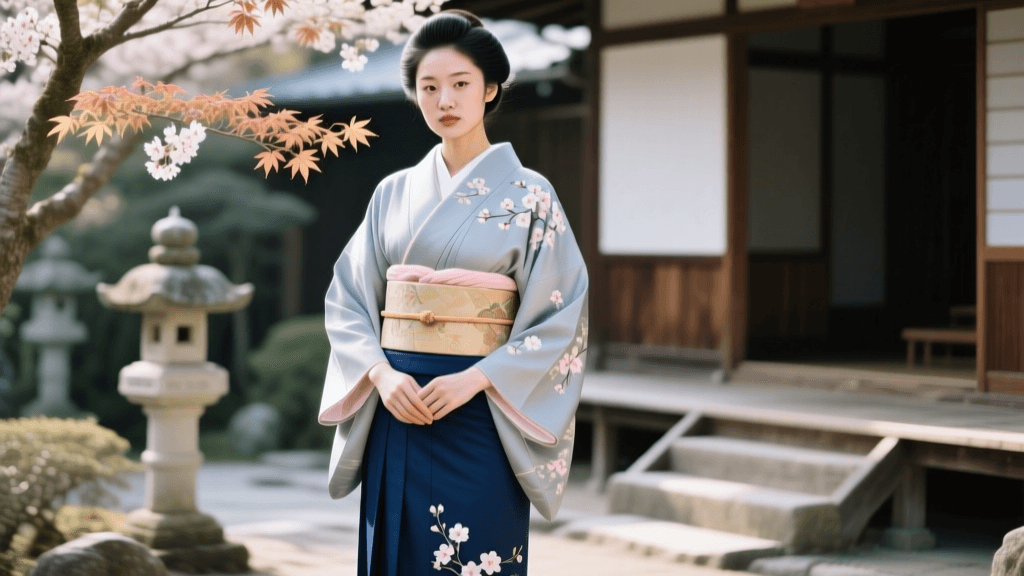
The global fashion landscape for 2026 has witnessed a profound and respectful renaissance of traditional Japanese garments. Moving far beyond the superficial 'Japonisme' trends of the past century, the Spring/Summer and Fall/Winter 2026 fashion weeks in Paris, Milan, and Tokyo have showcased a deep, structural appreciation for the kimono. Designers are no longer merely printing cherry blossoms onto Western cuts; instead, they are deconstructing and reimagining the fundamental architecture of the T-shaped silhouette, the concept of 'ma' (negative space), and the intricate textile traditions of Japan.
On the 2026 runways, the kimono is celebrated for its modular versatility and its departure from the restrictive, body-conforming tailoring of Western fashion. The straight-line cutting method, which preserves the integrity of the fabric, has heavily influenced the 2026 sustainability movement in haute couture. By utilizing standard 36-centimeter to 45-centimeter fabric bolts, designers are minimizing textile waste—a critical metric in today's eco-conscious fashion industry. This structural inspiration has birthed a new wave of outerwear, wrap dresses, and modular layering pieces that dominate the streets outside the Grand Palais and the Milanese show venues.
Key Textile Techniques Reimagined for Modern Couture
The 2026 collections have elevated traditional Japanese dyeing and weaving techniques to the forefront of luxury fashion. Understanding these textiles is crucial for any fashion enthusiast looking to integrate these trends into their wardrobe.
Nishijin-ori (Brocade Weaving)
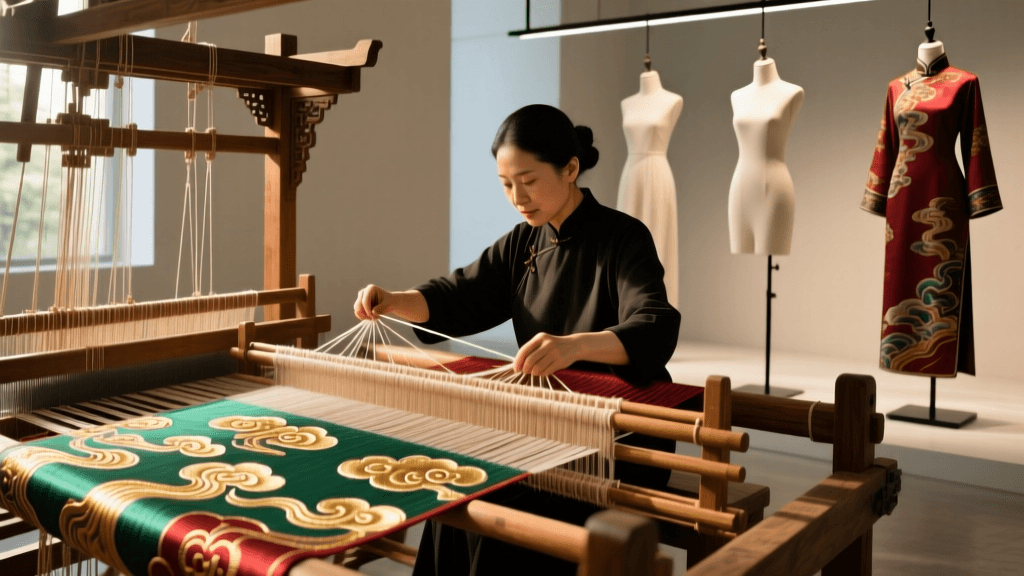
Originating from Kyoto, Nishijin-ori is a multi-layered, intricately patterned brocade. In 2026, European fashion houses have collaborated directly with Kyoto-based weaving guilds to produce lighter, more pliable iterations of this historically stiff textile. Runway looks featured Nishijin-ori not just as ceremonial sashes, but as structured bodices and statement outerwear collars. The metallic threads of gold and silver leaf, traditionally used for stage costumes, are now being woven into matte silk bases for a subdued, daytime-appropriate luxury.
Yuzen and Shibori Dyeing
Hand-painted Yuzen silk and meticulously tied Shibori (resist-dyeing) have seen a massive resurgence. However, the 2026 color palettes have shifted. While traditional Yuzen relies on vibrant, nature-inspired hues, this year's runways favor 'boro-inspired' indigo shades, muted matcha greens, and charcoal grays, achieved through natural fermentation dyeing processes that appeal to the modern demand for sustainable, non-toxic fashion.
Runway to Reality: Adapting Haute Kimono Elements
Translating avant-garde runway concepts into wearable, everyday fashion requires a strategic approach. The table below breaks down the most prominent kimono-inspired elements seen during the 2026 Fashion Weeks and provides actionable advice on how to adapt them for a contemporary wardrobe, including current market pricing.
| Runway Element | 2026 Street Adaptation | Estimated Cost (USD) | Actionable Styling Tip |
|---|---|---|---|
| Structured Obi Corset | Wide Leather Obi-Inspired Belt | $150 - $350 | Cinch over oversized blazers or slip dresses to define the waist without restricting movement. Opt for matte leather over patent for a more authentic texture. |
| Furisode Sleeves | Draped Open-Sleeve Trench Coat | $400 - $850 | Keep the underlying silhouette slim and tailored; let the dramatic, elongated sleeves be the sole focal point of the outfit to avoid looking overwhelmed by fabric. |
| Nishijin-ori Brocade | Brocade Clutch or Footwear | $120 - $280 | Pair heavily textured, metallic-woven accessories with matte, minimalist fabrics like raw silk, crepe, or fine-gauge merino wool to balance the visual weight. |
| Haori Layering | Silk-Blend Haori Duster Jacket | $200 - $500 | Wear open over a monochromatic turtleneck and wide-leg trousers. Ensure the hem of the haori hits at the mid-thigh to maintain optimal body proportions. |
The Haori and Obi: 2026’s Most Coveted Accessories
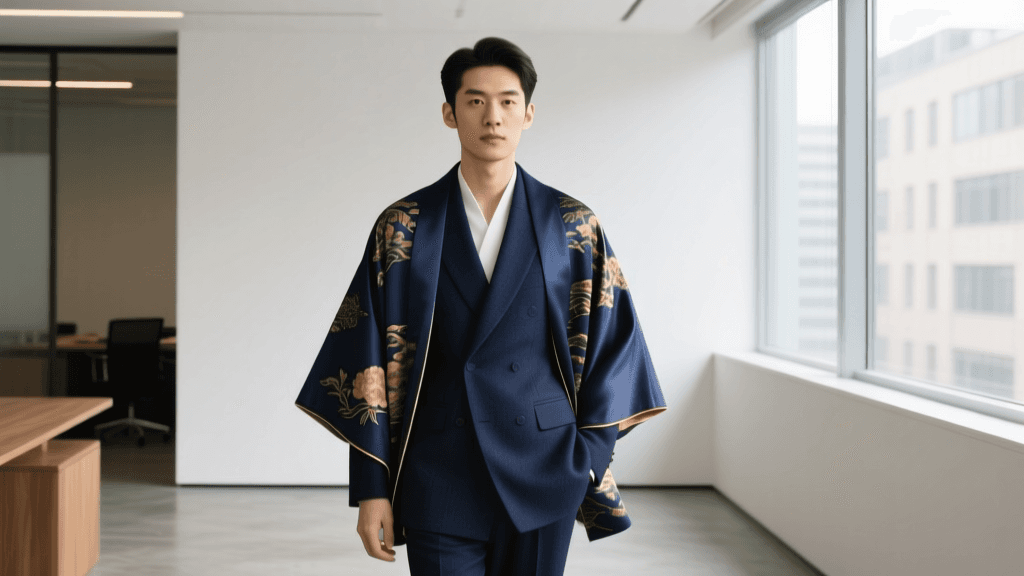
If there are two garments that have successfully bridged the gap between traditional Japanese culture and global 2026 street style, they are the Haori and the Obi. The Haori, traditionally a hip- or thigh-length kimono-style jacket, has been reinterpreted by contemporary brands as the ultimate transitional outerwear piece. Unlike Western jackets, the Haori lacks a collar lapel and buttons, relying instead on an open front and a subtle drape. In 2026, fashion editors are frequently photographed wearing vintage, deconstructed silk Haori over modern denim and tailored suits, creating a striking juxtaposition of eras and cultures.
Similarly, the Obi—the wide sash used to secure a kimono—has been entirely liberated from its traditional context. On the 2026 runways, the Obi was utilized as a form of structural corsetry. Designers are crafting wide, rigid waistbands inspired by the 'fukuro obi', utilizing modern materials like molded vegan leather and stiffened canvas. For the consumer, investing in an authentic, vintage Maru or Fukuro obi (typically ranging from $80 to $250 in 2026 vintage markets) and wearing it as a statement belt over a crisp, oversized white poplin shirt is one of the most effective ways to participate in this trend while honoring the garment's origins.
Navigating Cultural Appreciation in High Fashion
As the kimono silhouette becomes a staple on global runways, the conversation surrounding cultural appreciation versus appropriation remains paramount. The fashion industry in 2026 is far more educated than in previous decades, largely due to the foundational work of cultural institutions. The Victoria and Albert Museum's extensive research on the kimono's journey from Kyoto to the global catwalk has provided a vital framework for designers. It emphasizes that the kimono is not merely a costume, but a dynamic, evolving garment with a rich social history.
True appreciation in 2026 involves transparency and collaboration. The most lauded collections this year are those that credit specific Japanese artisans, weaving cooperatives, and dyers. Furthermore, understanding the historical context is essential. As noted by The Metropolitan Museum of Art's Heilbrunn Timeline of Art History, the kimono's design, color, and motifs have always communicated the wearer's age, status, and the season. When integrating these elements into your wardrobe, taking the time to understand the meaning behind the motifs—such as the resilience represented by the pine tree or the elegance of the crane—transforms the act of dressing from mere consumption into a practice of cultural respect.
Measurements and Tailoring: The Challenge of the T-Shape
One of the most practical challenges for Western consumers adopting kimono-inspired fashion is the fit. Traditional kimono are constructed from standard-width bolts of fabric (tanmono), meaning the garment's width is largely dictated by the fabric rather than the wearer's body. In 2026, bespoke tailors specializing in Asian traditions recommend a specific approach to altering kimono-inspired wrap dresses and coats.
- Shoulder Seams: Unlike Western garments where the shoulder seam sits precisely at the edge of the shoulder bone, kimono sleeves are cut in a continuous line with the body. When buying modern adaptations, ensure the brand has introduced a subtle dropped shoulder or a hidden underarm gusset (machi) to allow for arm mobility.
- Length Adjustments: Traditional kimono are worn with an 'ohashori' (a fold at the waist to adjust length). Modern 2026 adaptations often eliminate this fold for a cleaner line. If you are purchasing an authentic vintage piece to wear as a dress, consult a tailor to add an internal drawstring casing at the natural waist to replicate the ohashori effect without the bulk.
- Collar Alignment: The 'eri' (collar) should be crossed left over right. Ensure that modern wrap tops inspired by the kimono maintain this traditional alignment, as right-over-left is strictly reserved for dressing the deceased in Japanese culture.
Where to Source Authentic and Inspired Pieces in 2026
For those looking to invest in this trend, the 2026 market offers a spectrum of options, from high-end runway collaborations to sustainable vintage sourcing. Kyoto remains the epicenter for authentic textiles. Brands like Jotaro Saito, who consistently showcases at Tokyo Fashion Week, offer modern, denim and wool-blend kimono that cater to contemporary lifestyles while maintaining traditional construction, with prices starting around $1,200.
For sustainable, budget-conscious fashion lovers, the secondhand market is thriving. Online platforms specializing in Japanese vintage exports have seen a 40% increase in global shipping in 2026. Sourcing a vintage silk Haori or an intricately woven Obi belt from these verified antique dealers not only provides a unique, one-of-a-kind piece but also participates in the circular fashion economy. When purchasing vintage, always request high-resolution photos of the silk's inner lining to check for the characteristic discoloration that indicates age and improper storage, ensuring you pay a fair market price for the garment's condition.
Conclusion
The presence of the kimono on the 2026 global runways is a testament to the enduring power and architectural brilliance of traditional Japanese design. By moving beyond surface-level aesthetics and embracing the structural, textile, and philosophical depths of the garment, both designers and consumers are participating in a rich, cross-cultural dialogue. Whether you are cinching a modern Obi-inspired belt over a tailored suit or draping a vintage silk Haori for an evening out, the key to mastering this trend lies in education, respect, and a profound appreciation for the artisans who have kept these traditions alive for centuries.