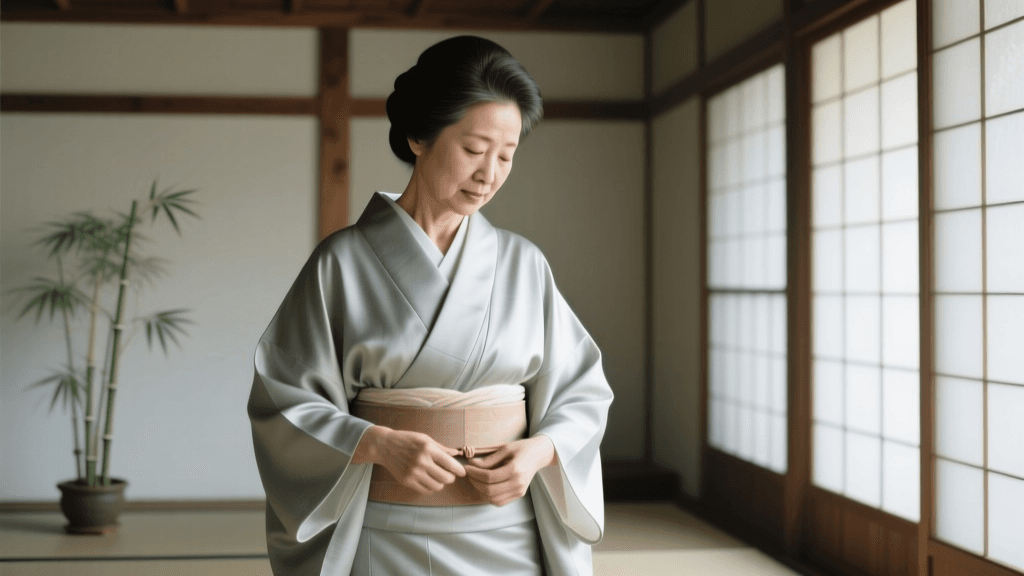
Japanese Traditional Garments Guide 2026: Kimono, Hakama & Styling
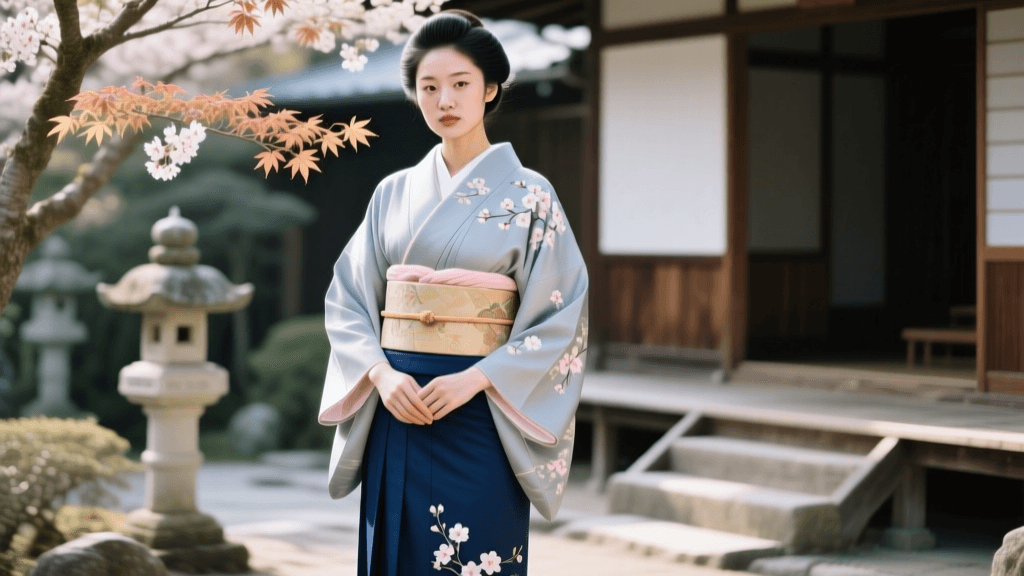
The Renaissance of Japanese Traditional Garments in 2026
In 2026, the global appreciation for Japanese traditional garments has evolved far beyond mere costume or historical reenactment. Today, pieces like the kimono, hakama, and haori are increasingly integrated into modern formal wear, international fashion weeks, and cross-cultural ceremonies. Driven by a renewed focus on sustainable fashion, artisanal craftsmanship, and the circular economy, collectors and wearers worldwide are seeking authentic, high-quality Japanese textiles. According to the Japanese Ministry of Economy, Trade and Industry (METI), the designation and protection of traditional crafts have seen a surge in international interest, particularly for hand-woven silks and natural dyeing techniques. This comprehensive guide explores the core types of Japanese traditional garments, how to source them in the current 2026 market, and the essential styling rules for modern wearers.
Core Garment Types: Beyond the Basic Kimono
While 'kimono' is often used as a catch-all term for Japanese clothing, it specifically refers to the T-shaped, straight-lined robe worn with the left side wrapped over the right. However, the Japanese wardrobe is rich with distinct garment types, each serving a specific functional and ceremonial purpose.
1. The Kimono: Formality and Lineage
The kimono remains the pinnacle of Japanese formalwear. The formality of a kimono is dictated by its fabric, pattern placement, and the number of family crests (kamon) it bears.
- Furisode: The most formal kimono for unmarried women, characterized by its long, swinging sleeves (ranging from 85cm to 114cm). In 2026, modern Furisode designs frequently incorporate digital Yuzen dyeing alongside traditional hand-painting, allowing for hyper-customized, vibrant motifs that appeal to younger demographics celebrating their Coming of Age Day.
- Tomesode: The most formal kimono for married women. It features shorter sleeves and patterns that are strictly confined to the area below the waist. Black Tomesode (Kurotomesode) with five crests is reserved for the closest relatives at weddings.
- Homongi: Translating to 'visiting wear,' this semi-formal kimono features patterns that flow across the seams when the garment is laid flat. It is highly versatile and worn by both married and unmarried women for tea ceremonies and formal parties.
2. The Hakama: Formality and Movement
The hakama is a pleated, skirt-like trouser worn over a kimono. Historically worn by samurai to protect their legs while riding horses, it is now a staple of academic and martial ceremonies. The standard formal hakama features seven deep pleats (five in the front, two in the back), which are traditionally said to represent the seven virtues of the samurai. In 2026, the hakama is widely worn by university students during graduation ceremonies and by practitioners of Kyudo (archery) and Kendo. The Metropolitan Museum of Art notes that the structural elegance of the hakama represents a unique intersection of utilitarian design and profound philosophical symbolism in Japanese dress.
3. The Haori: The Versatile Outer Layer
The haori is a hip- or thigh-length jacket worn open over a kimono. Unlike the kimono, it does not require an ohashori (the waist fold used to adjust length). In contemporary 2026 fashion, the haori has become a favorite transitional piece for international wearers, often styled over modern Western clothing like turtlenecks and tailored trousers, bridging the gap between heritage textiles and modern streetwear.
4. The Yukata: Casual Summer Elegance
Originally a bathrobe for the nobility, the yukata is now the standard casual summer garment. Made from unlined cotton, linen, or modern breathable synthetic blends, it is worn to summer festivals (matsuri) and fireworks displays. It requires fewer accessories than a formal kimono, making it the most accessible entry point for beginners.
2026 Sourcing and Pricing Landscape
Sourcing authentic Japanese garments in 2026 requires navigating a mix of heritage artisans, specialized vintage recyclers, and modern digital marketplaces. The pricing landscape has shifted; while mass-produced synthetic kimono remain cheap, authentic hand-woven silk and vintage pieces from the Showa era have appreciated in value due to the scarcity of master weavers.
| Garment Type | Primary Textile | 2026 Average Price (USD) | Best Sourcing Method |
|---|---|---|---|
| Furisode (New) | Tango Chirimen Silk | $1,800 - $4,500 | Kyoto Artisan Commissions |
| Tomesode (Vintage) | Rinzu Silk Brocade | $350 - $900 | Tokyo Recycle Markets & Curated Online Dealers |
| Formal Hakama | Silk / Wool Blend | $180 - $450 | Specialized Martial Arts & Academic Retailers |
| Silk Haori | Yuki Tsumugi (Pongee) | $250 - $750 | Kanazawa Weavers & Antique Textile Fairs |
| Yukata | Cotton / Linen Blend | $60 - $180 | Direct from Japanese Department Store Online Portals |
For international buyers, the Japan National Tourism Organization (JNTO) frequently highlights regional textile hubs like Nishijin in Kyoto and Yuki in Ibaraki, where travelers can purchase directly from weaving cooperatives. In 2026, many of these cooperatives offer international shipping and virtual consultations, allowing buyers to commission custom-fit garments remotely.
Modern Styling and Essential Accessories
A kimono is never worn alone; it is part of a complex ensemble where every accessory dictates the overall formality and aesthetic balance.
The Obi and Its Accompaniments
The obi is the wide sash that secures the kimono. For formal wear, the Fukuro obi (a double-width, heavily brocaded sash) is the standard. It is tied in elaborate knots, such as the Nijuudaiko (double drum) or the Fukura-suzume (plump sparrow). To secure the obi, wearers use an Obijime (a decorative braided cord) and an Obiage (a silk scarf tucked into the top of the obi). In 2026, styling trends favor contrasting colors between the Obijime and the kimono's primary motif, creating a striking visual anchor.
Footwear: Zori, Geta, and Tabi
Formal kimono require Zori, flat sandals made of vinyl, brocade, or tatami-facing, worn with white split-toe socks called Tabi. The height and material of the Zori must match the formality of the kimono. For casual yukata, wooden Geta are preferred, providing a distinctive clacking sound that is synonymous with Japanese summer evenings.
Care, Maintenance, and Sustainable Practices
Authentic silk kimono require meticulous care. The traditional method of cleaning, known as Arai-hari, involves completely unpicking the garment's seams, washing the flat panels of silk, stretching them on bamboo frames to dry, and then re-sewing the garment. While this preserves the fabric's integrity, it is highly labor-intensive.
In 2026, the industry has embraced advanced, eco-friendly maintenance technologies. Ozone sterilization and specialized UV-cleaning chambers are now widely used by professional kimono caretakers to remove odors and kill bacteria without exposing delicate natural dyes to water or harsh chemicals. Furthermore, the storage of these garments has evolved. While traditional paulownia wood boxes (kiribako) remain the gold standard for regulating humidity and repelling insects, modern collectors are increasingly using acid-free, unbleached cotton storage wraps (tatoushi) combined with silica gel desiccants to ensure the longevity of their textiles in varying global climates.
Conclusion
Navigating the world of Japanese traditional garments in 2026 is a rewarding journey into one of the world's most sophisticated textile cultures. Whether you are sourcing a vintage Tomesode for a wedding, commissioning a custom Hakama for graduation, or simply styling a silk Haori for a modern evening out, understanding the nuances of fabric, formality, and craftsmanship ensures that these magnificent garments continue to be worn with respect and elegance. By supporting traditional artisans and embracing sustainable care practices, today's wearers play a vital role in preserving this living heritage for future generations.